
Planting
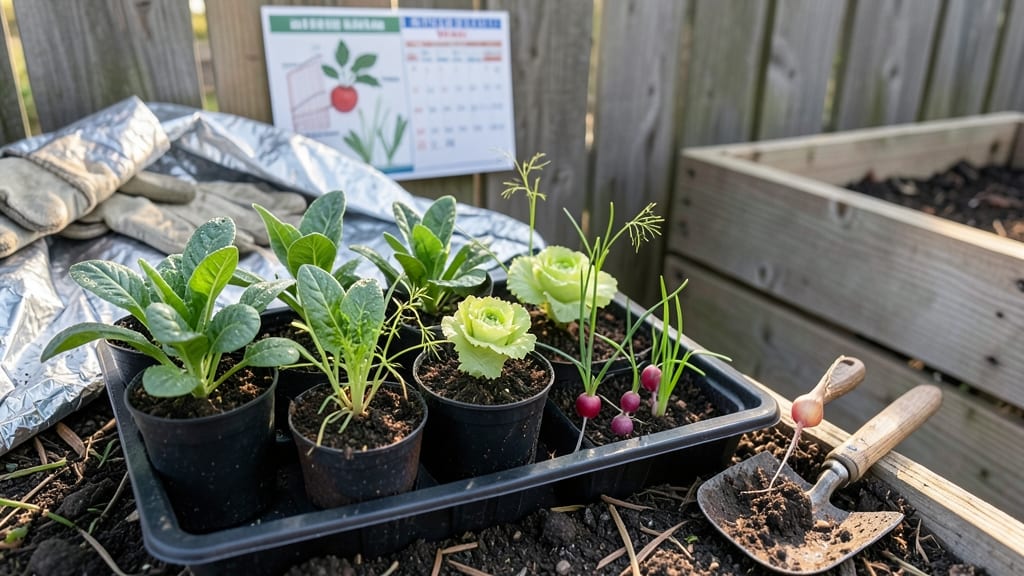
Planting a garden in Wisconsin means timing your spring starts just right — too early and a late frost will wipe out your seedlings, too late and you miss the best harvest window.
Wisconsin’s unpredictable frost dates can make or break your garden—plant too early and risk losing your hard work, too late and miss peak harvest season. Timing is everything, but with the right zone-based strategy, you can maximize your garden’s potential.
From Zone 3 in the north to Zone 5 in the south, frost dates vary by 3-4 weeks, meaning what works in Milwaukee won’t cut it in Green Bay.
Cool-season crops like spinach and peas can go in as early as April, while tomatoes and peppers need to wait until after May 15 in most areas.
Here’s how to align your planting schedule with Wisconsin’s climate, including frost-free date maps, the best varieties for your zone, and tricks to stretch your growing season—so you’re harvesting instead of second-guessing.
Wisconsin frost dates by Zone: when to plant cool vs warm-season crops
Understanding Wisconsin's USDA Hardiness Zones 3-5 is key to successful gardening. The state spans from Zone 3 in the north (like Ashland) to Zone 5 in the south (like Milwaukee), creating significant frost date variations.
Northern Wisconsin typically sees its last spring frost around May 15, while southern areas may be frost-free by April 20. These differences directly impact when to plant cool-season crops like peas and spinach versus warm-season crops like tomatoes and peppers.
Cool-season crops thrive in cooler temperatures and can often tolerate light frosts. In Wisconsin, this means planting spinach, peas, and lettuce as early as March in southern zones or waiting until April in northern zones.
Warm-season crops, however, need consistent warmth and should only be planted after the soil temperature reaches 60°F, usually late May to early June depending on your location.
Here’s a quick reference for Wisconsin’s average frost dates by zone, including critical planting windows for both cool-season and warm-season crops. These dates are based on long-term averages, but always monitor your local weather forecasts for adjustments.
| Zone | Last Spring Frost | First Fall Frost | Cool-Season Planting Window | Warm-Season Planting Window |
|---|---|---|---|---|
| Zone 3 (Northern WI) | May 15 - May 31 | September 15 - September 30 | March 15 - April 15 (cold-hardy crops) | June 1 - June 15 (after soil warms) |
| Zone 4 (Central WI) | May 1 - May 15 | September 1 - September 15 | March 1 - April 1 (direct sow) | May 15 - May 31 (transplants) |
| Zone 5 (Southern WI) | April 15 - April 30 | October 1 - October 15 | February 15 - March 15 (early starts) | April 20 - May 10 (soil temp check) |
For Zone 3 gardeners in northern Wisconsin, like those in Duluth or Eau Claire, the shorter growing season means prioritizing fast-maturing varieties of warm-season crops. Start peppers and tomatoes indoors in March and transplant them after the last frost date.
In Zone 5, like Madison or Milwaukee, you can push the envelope by planting warm-season crops slightly earlier with row covers to protect against late frosts.
Cool-season crops like kale, broccoli, and carrots can often be planted two weeks before the last frost date, as they tolerate light frosts. However, avoid planting these too early, as cold, wet soil can stunt growth.
A simple soil thermometer (around $10) can help you determine if the ground is ready—ideal temperatures for planting are 45-55°F for most cool-season crops.
Warm-season crops such as tomatoes, peppers, and cucumbers are more sensitive to frost. Wait until the soil temperature consistently stays above 60°F before planting. In Wisconsin, this typically aligns with late May to early June, but it can vary by 1-2 weeks depending on your exact location.
If you’re eager to get a head start, consider using black plastic mulch to warm the soil faster.
Another critical factor is the first fall frost, which signals the end of the growing season. In Zone 3, this can happen as early as mid-September, while Zone 5 areas may enjoy harvests until mid-October.
Plan your succession planting accordingly—sow fast-growing crops like radishes or lettuce in late summer to harvest before the frost arrives.
Pro tip: Use frost cloth or row covers to extend your growing season by 2-4 weeks. These lightweight fabrics protect plants from light frosts (28-32°F) and can even help warm-season crops establish earlier in spring. Just remember to remove them during the day to avoid overheating your plants.
Finally, don’t forget about microclimates. Even within a single zone, urban areas (like Milwaukee) may warm up faster than rural or lakeside locations. Pay attention to local frost histories and adjust your planting schedule accordingly.
With the right timing, you can enjoy a bountiful harvest from spring to fall—no matter where you garden in Wisconsin! 🌱
Best planting schedule for Wisconsin’s most popular vegetables
Wisconsin gardeners know timing is everything—especially when unpredictable frost can turn a great harvest into a gamble. The key is balancing last frost dates (typically mid-May in southern WI to late May in the north) with each plant’s ideal growing window.
Some crops, like potatoes, thrive when planted early, while others, like tomatoes, need warm soil to germinate. Below is your month-by-month guide to planting Wisconsin’s top 12 vegetables, tailored for both direct sowing and transplanting.
For northern Wisconsin (Zones 3-4), adjust planting dates 2-3 weeks later than southern areas (Zones 4-5). Green Bay gardeners, for example, should wait until after May 20 for warm-season crops, while Milwaukee can start earlier.
Always use row covers or cold frames to extend seasons if needed—more on that in our next section!
- 1 March-April: Plant potatoes (chit sprouted tubers) and onions (sets) as soon as soil is workable. Peas and spinach can go in late March in southern WI.
- 2 Late April-Early May: Start transplants indoors for tomatoes, peppers, and eggplants. Direct sow radishes and lettuce after last frost (use row covers if frost lingers).
- 3 Mid-May: Harden off tomato and pepper transplants. Plant beans (after soil reaches 60°F), corn, and squash. Succession plant lettuce every 2 weeks for continuous harvests.
- 4 June: Direct sow carrots, beets, and cucumbers. Transplant broccoli and cauliflower for fall harvest. Succession plant beans every 3 weeks until July.
- 5 July: Plant kale, Swiss chard, and turnips for fall/winter harvest. Start second crop of bush beans if space allows. Avoid planting warm-season crops after July 15 in northern WI.
- 6 August: Direct sow radishes and spinach for early fall harvest. Transplant cabbage and brussels sprouts for late-season growth. Harvest potatoes before soil cools.
Pro tip: Succession planting is your secret weapon for non-stop harvests. For example, sow lettuce every 2 weeks from May through July to avoid bolting (going to seed). Similarly, beans and radishes grow quickly—plant them in batches to enjoy fresh produce all season.
In northern WI, prioritize fast-maturing varieties (look for "early" or "bush" types) to beat the clock before first frost (typically mid-September in the south to early September in the north).
Don’t forget about perennial favorites like asparagus and rhubarb. These can be planted in early spring (March-April), but they’ll need 2-3 years to establish before producing well. If you’re new to gardening, start with easy wins like lettuce, radishes, and beans—they’re forgiving and perfect for beginners.
For advanced gardeners, experiment with heirloom tomatoes or peppers, but be prepared to use row covers to protect young plants from late frosts.
One final rule: Always check soil temperature before planting warm-season crops. Use a soil thermometer—most tomatoes and peppers need soil at 60°F+ to germinate. If your soil is too cold, wait a few more days or use black plastic mulch to warm it up faster.
And remember, Wisconsin’s microclimates matter—urban areas like Madison may be 2-3°F warmer than rural spots, so adjust accordingly.
With this schedule, you’ll avoid the common Wisconsin pitfalls of frost damage or