
Planting
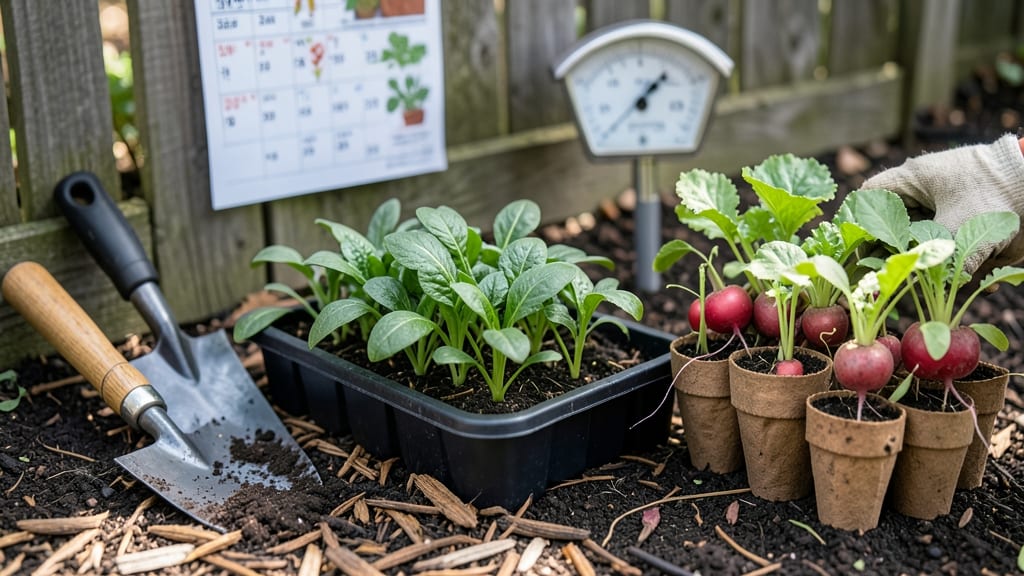
To plant a vegetable garden in Seattle, time it between March 15 and May 15 for spring or August 1 to September 15 for fall, aligning with the city’s 8a-9a zone and unpredictable weather.
Seattle’s unpredictable weather can turn a thriving vegetable garden into a frost-killed disaster—or a bountiful harvest—depending on when you plant. One late frost in April, and your seedlings are history; miss the fall window, and your tomatoes never ripen. The key is knowing your microclimate and acting fast.
Here’s the fastest way to avoid common mistakes: start cool-season crops like spinach and peas 4-6 weeks before the last frost, while warm-season crops like tomatoes and peppers need to wait until 2-3 weeks after the last frost date.
Seattle’s average last frost falls around May 15, but urban areas can run 1-2 weeks later.
In this guide, I’ll break down the exact planting timeline for your garden, including when to start seeds indoors, how to adjust for wet springs, and which crops thrive in Seattle’s short but productive growing season. No more guesswork—just fast, reliable harvests.
Seattle’s frost-free planting zones: what you need to know before starting
Seattle’s USDA Zone 8a/8b climate creates a unique gardening challenge—mild winters but unpredictable last frost dates that can range from mid-April to mid-May. Unlike warmer climates, Seattle’s microclimates (urban heat islands vs. rural chill) mean your neighbor’s garden might be frost-free while yours still has a light freeze.
Understanding these zones is the first step to avoiding frost damage and maximizing your harvest.
Urban Seattle gardens often experience earlier warming due to concrete and buildings trapping heat, while rural areas near water (like Lake Washington) stay cooler longer. This 5-10 day difference in frost-free dates can mean the difference between thriving tomato plants and sad, wilted seedlings.
Always check local frost alerts—the University of Washington’s AgWeatherNet provides real-time updates tailored to your specific zip code.
The average last frost date for Seattle is April 15, but don’t set your planting calendar in stone. Cold snaps can occur as late as May 15, especially in Zone 8a areas like Redmond or Woodinville.
For cold-hardy crops like kale, peas, and spinach, you can start planting 4-6 weeks before the average last frost—around mid-March—but protect them with row covers or cold frames if nights dip below 32°F.
Warm-season crops like tomatoes, peppers, and cucumbers need to wait until 2-3 weeks after the last frost, typically late April to early May. These plants are frost-sensitive and will die if exposed to temperatures below 50°F.
To hedge your bets, start these indoors in early March and transplant seedlings after the frost-free window opens.
Here’s how to check real-time frost alerts for Seattle:
- Visit AgWeatherNet and enter your zip code.
- Look for the "Frost Probability" forecast, which shows the chance of frost for the next 5 days.
- Enable email alerts for frost warnings in your area.
Seattle’s wet springs can delay planting if your soil stays soggy. Test your soil’s drainage by digging a hole—if water pools after 6 hours, amend with compost or sand to improve aeration. For container gardens, ensure pots have drainage holes and use a well-draining potting mix to prevent root rot.
Microclimates play a huge role in Seattle’s gardening success. A south-facing garden in West Seattle might be 2-3 weeks ahead of a north-facing yard in Shoreline.
Observe your space for sun exposure patterns: mark where sunlight hits at 10 AM and 4 PM—these are your warmest spots for heat-loving crops.
Don’t forget about fall planting! Seattle’s second growing season runs from August to October, with a first frost typically arriving November 15. Plant cool-season crops like broccoli and carrots in late July to early August for a fall harvest.
Use black plastic mulch to warm the soil and extend the season.
Pro tip: Keep a gardening journal to track your local frost dates and plant performance. Note when your last frost occurs each year—this helps adjust your planting schedule for future seasons. Over time, you’ll develop a customized planting calendar tailored to your Seattle microclimate.
Month-by-month planting schedule for Seattle’s best vegetable yields
Seattle’s cool, wet springs and mild summers demand a strategic planting schedule to maximize your vegetable garden’s potential. Unlike warmer climates, timing is critical—plant too early, and frost will kill tender seedlings; too late, and you’ll miss the harvest window.
The key is balancing cool-season crops (like kale and peas) with warm-season favorites (tomatoes and peppers) while accounting for Seattle’s 180-200 frost-free days.
Succession planting is your secret weapon here. By staggering plantings every 2-3 weeks, you’ll enjoy a continuous harvest instead of one overwhelming bounty. For example, spinach can be sown in early spring, again in late summer, and even a final batch in early fall for a three-season harvest.
This approach also mitigates risks from Seattle’s unpredictable rain, ensuring at least one crop thrives even if another fails.
📅 Seattle’s Planting Timeline
- February-March: Start cool-season seeds indoors (e.g., broccoli, cabbage) and direct sow hardy crops like peas and spinach. Use row covers to protect from late frosts.
- April: Transplant cool-season seedlings (kale, lettuce) and direct sow radishes and carrots. Monitor frost alerts—Seattle’s last frost averages April 15 but can vary by 2 weeks.
- May: Plant warm-season crops (tomatoes, peppers, cucumbers) 2-3 weeks after last frost. Use black plastic mulch to warm soil faster in cooler microclimates.
- June-July: Succession plant fast-maturing varieties (bush beans, zucchini) every 2 weeks for continuous harvests. Watch for powdery mildew in humid conditions.
- August: Begin fall planting of cool-season crops (spinach, arugula) and direct sow garlic for next year. Protect with frost blankets as temps drop.
- September-October: Extend warm-season crops (e.g., ‘Early Girl’ tomatoes) with row covers. Plant overwintering crops like kale and Brussels sprouts for winter harvests.
Seattle’s wet springs can delay planting, so always check soil temperature—aim for 40°F+ for cool-season crops and 60°F+ for warm-season plants. A soil thermometer is your best tool. For example, tomatoes won’t germinate well below 60°F, so wait until late May if early soil is cold.
Pro tip: Raise beds warm up faster than in-ground soil, giving you a 2-week head start in cooler microclimates.
Don’t overlook succession planting for warm-season crops like bush beans or lettuce. In Seattle, a single planting of lettuce might bolt by July, but three staggered plantings (April, June, August) ensure fresh greens year-round.
For peppers, which need 80+ days to mature, start seeds indoors in March and transplant after May 15. If you miss this window, opt for short-season varieties like ‘Sweet Banana’ peppers (60 days to harvest).
Seattle’s fall harvests are often overlooked but can be just as bountiful as spring. After your first frost (mid-November), focus on cold-hardy crops like kale, Brussels sprouts, and carrots.
These thrive in cooler temps and can even sweeten after frost. Use low tunnels or straw mulch to extend the season by 4-6 weeks, protecting crops from light frosts (28°F).
Finally, keep a gardening journal to track what works in your specific Seattle microclimate. Urban areas near Puget Sound may have warmer, drier summers than rural spots, while elevated gardens stay cooler. Adjust your schedule based on your notes—next year’s tomato harvest could depend on it! 🌱