Planting
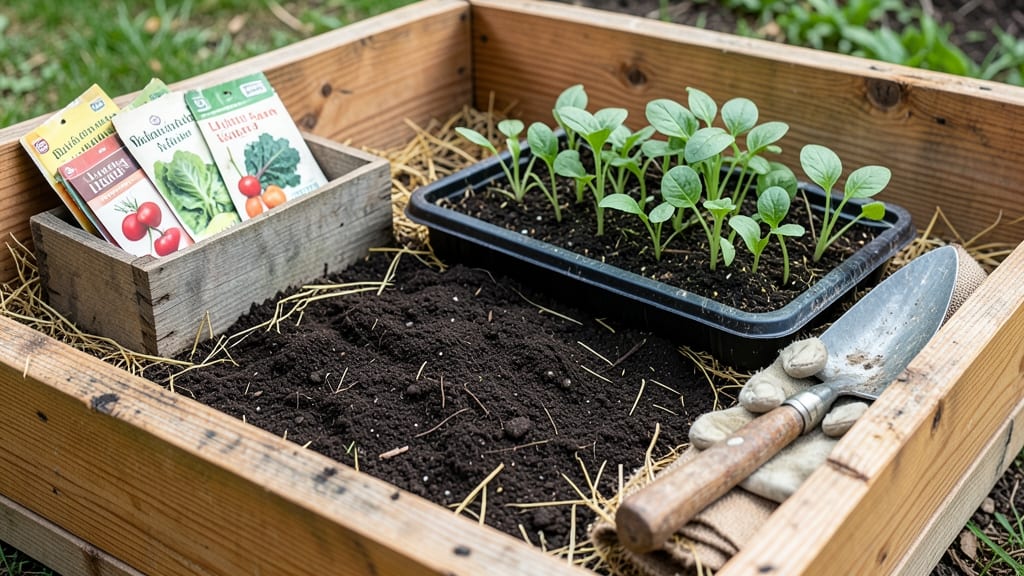
To plant a vegetable garden in Seattle, time your seeds and transplants around mid-March to mid-September—when the risk of frost drops and the soil warms enough for most crops to thrive 🥬.
Seattle’s unpredictable weather can turn your vegetable garden dreams into a gamble—unless you master the exact planting windows for zero-frost success. Miss the timing, and frost will wipe out your crops; nail it, and you’ll harvest like a local pro.
The key is knowing your microclimate: coastal areas near Puget Sound stay cooler longer, while inland spots warm up faster. Cool-season crops like kale and peas can go in as early as February, while tomatoes and peppers need to wait until after May 15.
Below, I’ll break down the month-by-month schedule for direct sowing vs. starting indoors, plus how to stretch your growing season with row covers and cold frames—so you can enjoy fresh veggies from spring through fall.
Seattle’s 2024 planting zones: last frost dates by microclimate
Seattle’s USDA Zone 8a/8b split means your planting dates depend heavily on whether you’re in the urban core, suburban areas, or rural outskirts. The Puget Sound adds another layer—coastal areas often see 2-3 week delays in last frost compared to inland spots.
Understanding these microclimates is key to avoiding frost damage on frost-sensitive crops like tomatoes and peppers.
For cold-hardy crops like kale, peas, and spinach, you can start planting as early as late February in rural areas, while urban gardens may wait until mid-March.
The average last frost date for Seattle ranges from March 15 (urban) to April 1 (coastal), but these dates shift yearly based on Pacific air currents and urban heat islands.
Here’s the breakdown you need to plan your vegetable garden with confidence:
| Microclimate | Last Frost Date | First Frost Date | Cold-Hardy Crops (Plant Now) | Frost-Sensitive Crops (Wait Until) |
|---|---|---|---|---|
| Urban (Downtown, Capitol Hill) | March 15–20 | November 5–10 | Kale, peas, spinach, lettuce | May 20 (after last frost) |
| Suburban (Ballard, Fremont, West Seattle) | March 20–25 | November 10–15 | Broccoli, carrots, radishes, onions | May 10–15 (soil temp 55°F+) |
| Coastal (Shoreline, Bainbridge Island) | April 1–5 | November 15–20 | Swiss chard, fava beans, cabbage | May 25–June 1 (warmer soil) |
| Rural (Eastside, Snohomish County) | March 5–10 | October 30–November 5 | Potatoes, garlic, Brussels sprouts | May 5–10 (earlier than urban) |
| Valleys (Sammamish, Issaquah) | March 10–15 (frost pockets!) | November 1–5 (earlier frost) | Peas, radishes, arugula | May 15 (use row covers) |
Notice how coastal areas like Bainbridge Island can plant tomatoes and cucumbers a full week earlier than downtown Seattle? That’s because Puget Sound moderates temperatures, delaying frost. Meanwhile, valleys like Sammamish experience frost pockets, where cold air settles—planting frost-sensitive crops here requires row covers or raised beds for protection.
For warm-season crops like peppers and eggplants, wait until soil temperatures hit 60°F+. Use a soil thermometer—Seattle’s urban heat islands can make downtown soil 10°F warmer than coastal areas by May. Start indoor seeds for these crops in March to transplant after your area’s last frost date.
Pro tip: If you’re in a microclimate with delayed frost (like the coast), prioritize fast-maturing varieties of tomatoes (e.g., ‘Early Girl’) or use black plastic mulch to warm soil faster.
For urban gardeners, consider container gardening—pots warm up quicker and can be moved to sheltered spots if frost threatens.
One common mistake? Planting cold-sensitive crops too early based on air temperature alone. Always check soil temperature—50°F is the minimum for most seeds. Use a clear plastic cup buried in soil to monitor temps if you don’t have a thermometer.
Seattle’s fall planting is just as critical as spring. Spinach, carrots, and kale thrive in cool autumn weather. You can plant these until mid-October in most areas, but coastal gardens may extend to November 1. Just be ready to cover crops if an early frost sneaks in.
Remember: Seattle’s unpredictable weather means even the best-laid plans can go awry. Keep a garden journal to track your local frost dates—over time, you’ll refine your
Month-by-month planting calendar for Seattle gardens
Seattle’s cool, damp climate and microclimates (like frost pockets in valleys) mean your planting schedule must be precise.
Unlike warmer regions, warm-season crops like tomatoes and peppers need to wait until after May 15, while cool-season crops like kale and peas thrive when planted in early spring or fall. Coastal areas also face windburn risks, so windbreaks are key for delicate seedlings.
To succeed, I’ve broken down the exact planting windows for both direct-sowing and transplanting, including when to start seeds indoors. For example, broccoli seeds should begin indoors in March, while cucumbers can only go into the ground after late May.
Let’s dive into the month-by-month plan tailored for Seattle’s USDA Zone 8a/8b.
- 🌱 February: Start cool-season seeds indoors (e.g., lettuce, spinach) and harden off transplants for early March planting. Coastal gardens should use windbreaks for seedlings.
- 🌿 March: Direct-sow peas, radishes, carrots (soil temps: 40–50°F). Transplant broccoli, cabbage, kale started indoors. Watch for frost pockets in valleys—cover tender crops if frost is forecasted.
- ☀️ April: Sow beets, Swiss chard, potatoes outdoors. Start tomato and pepper seeds indoors (they need 8–10 weeks before transplanting). Mulch to retain moisture as temps rise.
- 🌞 May: Transplant tomatoes, peppers, eggplants after May 15 (soil temps: 60°F+). Direct-sow beans, corn, cucumbers. Use row covers for early plantings to deter pests.
- 🌻 June–August: Sow succession crops like bush beans, zucchini, summer squash. Harvest warm-season crops aggressively to extend production. Water deeply in morning to prevent fungal diseases.
- 🍂 September: Direct-sow fall crops like kale, spinach, lettuce, radishes. Transplant broccoli, cabbage for late fall harvests. Protect with row covers as nights cool.
- 🌧️ October–November: Plant garlic, onions, winter peas for spring harvests. Mulch heavily to insulate soil. Avoid planting frost-sensitive crops after October 15.
Seattle’s fall planting window is often overlooked, but cool-season crops like spinach and carrots thrive in the mild autumn temperatures. I’ve seen kale survive until December with proper mulching and row covers.
For coastal gardens, prioritize wind protection—even a simple bamboo fence can double your seedling survival rate.
Pro tip: Use a soil thermometer to confirm soil temps before planting warm-season crops. If temps dip below 50°F, wait—your tomatoes and peppers will sulk until conditions improve. And always rotate crops yearly to prevent soil-borne diseases, especially in Seattle’s dense, clay-heavy soils.
With this calendar, you’ll avoid the common pitfalls of Seattle gardening: late frosts, wind damage, and overcrowded seedlings. Stick to the schedule, and you’ll enjoy a bountiful harvest from spring greens to fall squash—just like the pros.