
Tools
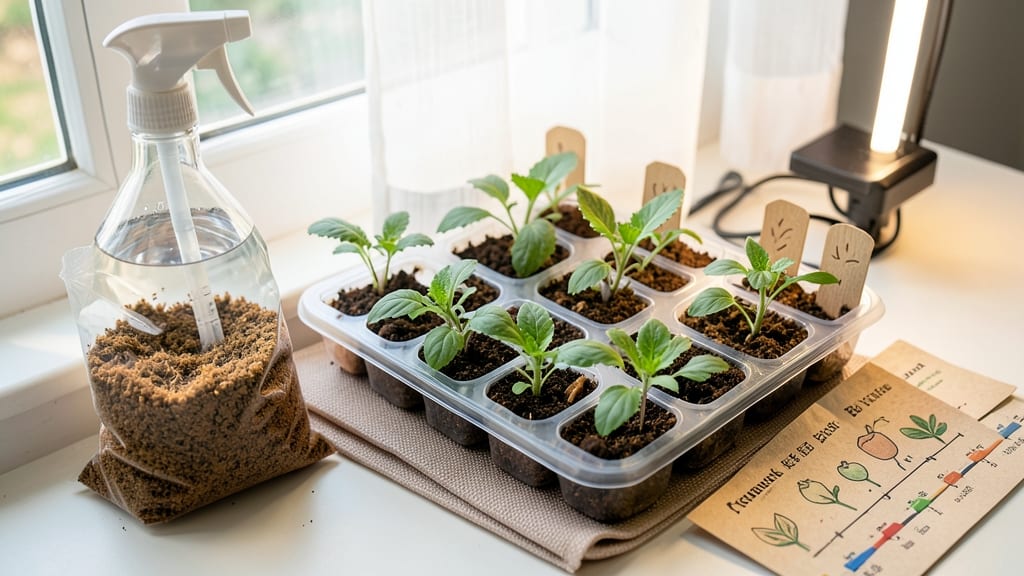
Starting garden seeds at the right time means the difference between a thriving harvest and a wasted effort—especially when you’re balancing frost dates, seedling maturity, and your local climate.
Picture this: you’ve spent weeks nurturing delicate seedlings, only to watch them bolt or wilt because you planted too early or too late. That’s why timing isn’t just about guessing—it’s about using a science-backed schedule tailored to your USDA zone and the specific needs of your General Garden Seeds 🌱.
In this guide, I’ll walk you through the exact climate-zone cheat sheet for peak germination, whether you’re growing tomatoes, peppers, or herbs. No more second-guessing—just a foolproof plan to maximize success from seed to table.
You’ll learn how to adjust for microclimates, avoid common mistakes, and create a seasonal checklist that keeps your garden on track year after year.
Climate-zone seed starting calendar: when to plant by USDA zone
Mastering the right timing for seed starting depends entirely on your USDA climate zone and the specific plant type you're growing. Cool-season crops like broccoli and spinach thrive in early spring or fall, while warm-season favorites such as tomatoes and peppers demand soil temperatures above 60°F.
Without precise timing, you risk leggy seedlings or bolting before harvest—both garden nightmares. This calendar aligns your planting with frost dates and seedling maturity timelines for Zones 3-10, including adjustments for high-altitude and coastal microclimates.
First, locate your last spring frost date and first fall frost date—these anchor your schedule. For example, in Zone 5, the last frost typically falls around May 10, while Zone 9 gardeners might see their first frost as late as December 1.
Count backward from these dates based on each plant's days to maturity. A 60-day tomato in Zone 7 needs to hit the soil by June 15 to ripen before frost, but start seeds indoors 8 weeks earlier (around April 15).
Below, you'll find a zone-by-zone breakdown of ideal seed-starting windows for both cool-season and warm-season crops.
High-altitude areas (e.g., Zone 6 at 5,000 ft) may need to shift timelines 2-4 weeks earlier due to cooler soils, while coastal regions might extend warm-season planting by 1-2 weeks thanks to milder temperatures.
| USDA Zone | Cool-Season Crops (Indoor Start) | Warm-Season Crops (Indoor Start) | Direct Sow Window | High-Altitude Adjustment |
|---|---|---|---|---|
| 3-4 | March 1 - April 15 | April 1 - May 1 | May 15 - June 15 (after frost) | Shift 2-3 weeks earlier |
| 5-6 | February 15 - March 30 | March 15 - April 15 | April 15 - May 15 | Shift 1-2 weeks earlier |
| 7-8 | January 15 - February 15 | February 15 - March 15 | March 15 - April 30 | Shift 1 week earlier |
| 9-10 | December 1 - January 15 | January 1 - February 1 | February 15 - March 15 | Minimal shift (coastal: +1 week) |
| Notes: Adjust for seedling heat mats (+1 week) or grow lights (-1 week). | ||||
For cool-season crops, prioritize indoor starts 4-8 weeks before transplanting. In Zone 6, for instance, sow kale and carrots indoors by February 15 to transplant outdoors by March 30.
Meanwhile, warm-season crops like basil and cucumbers should begin indoors 6-8 weeks before soil warms. In Zone 8, that means starting tomatoes by February 15 for a March 15 outdoor move.
High-altitude gardeners in Zones 5-7 at elevations above 4,000 ft should shift timelines 1-2 weeks earlier due to cooler soils. For example, peppers in Zone 6 at 6,000 ft may need an indoor start by January 15
How to adjust seed starting times for your microclimate
Your local microclimate can shift seed starting times by weeks, even if you're just a few blocks away from a neighbor. Urban heat islands, wind exposure, and soil temperature anomalies all play critical roles in germination success.
For example, a concrete jungle might need seeds started 2 weeks earlier than rural areas, while high-altitude gardens may require delayed planting due to cooler soils. Ignoring these factors often leads to leggy seedlings or failed sprouts.
To fine-tune your schedule, I rely on three key tools: a soil thermometer, seedling heat mats, and a local weather station. These tools help me verify when the soil actually reaches the optimal temperature for germination—often 60-75°F—rather than guessing based on air temperature.
For instance, peppers and tomatoes need warmer soils, while lettuce and spinach tolerate cooler conditions. Without adjustments, you might end up with stunted seedlings or bolting plants.
3 Critical Adjustments for Your Microclimate
- 1. Test Soil Temperature
Use a soil thermometer to check depth (1 inch for seeds). Warm-season crops like tomatoes need 70°F+; cool-season crops like kale thrive at 50-60°F. Adjust planting dates if your soil runs 10°F cooler than average. - 2. Account for Urban Heat Islands
Cities can be 5-10°F warmer than suburbs. Start heat-loving seeds (e.g., basil, cucumbers) 1-2 weeks later to avoid bolting. Use shade cloth if needed to mimic cooler conditions. - 3. Use Heat Mats for Early Starts
Place seedling heat mats under trays to maintain 75-85°F for slow-germinating seeds (e.g., peppers, onions). This can shave 5-7 days off germination time in cool microclimates.
Don’t overlook wind exposure—a windy yard can dry out soil faster, requiring earlier watering or protective covers. I once lost a batch of basil seedlings because I didn’t account for the drying winds near my balcony.
Since then, I’ve added a mini greenhouse dome to retain moisture. Even soil composition matters: sandy soil warms faster than clay, so adjust your schedule accordingly.
Before sowing, run this quick 3-step checklist to verify your microclimate’s readiness:
- Check soil temp for 3 consecutive days (morning and evening).
- Observe local wind patterns—are they consistent or erratic?
- Compare your yard’s conditions to your USDA zone’s averages. If your soil is 10°F cooler or winds are stronger than average, delay planting by 1-2 weeks.
For high-altitude gardens (above 5,000 feet), I recommend starting seeds 3-4 weeks earlier indoors to compensate for shorter growing seasons. Meanwhile, coastal areas with mild winters might allow year-round sowing for cold-hardy crops like kale or carrots.
Always cross-reference your adjustments with your last frost date—even a 2-week shift can mean the difference between a thriving garden and a failed crop.
Pro tip: Keep a gardening journal to track your microclimate’s quirks. Note when seeds germinate, how long seedlings take to mature, and any unexpected weather events. Over time, you’ll build a customized planting schedule that outperforms generic zone-based guides. Your future self—and your plants—will thank you! 🌱