
How To
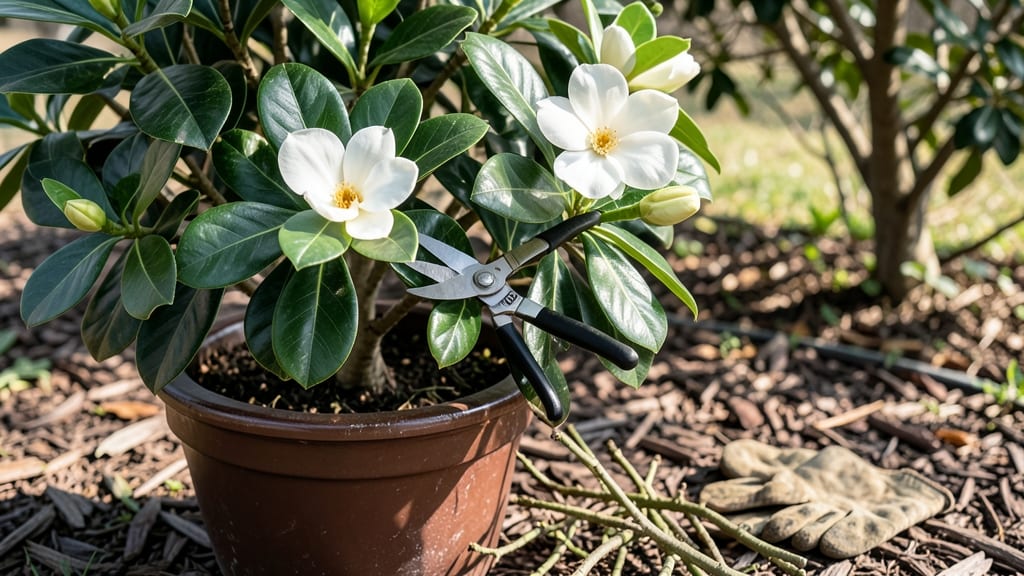
Trim gardenia bushes after their blooms fade in late summer or early fall to set the stage for next year’s lush, fragrant flowers.
Your gardenia bushes may look stunning now, but improper pruning can stunt next year’s blooms—or even harm the plant. Timing is everything, and knowing when to trim ensures vibrant flowers for seasons to come.
In USDA Zones 6a-9b, the best window is after September 15, when the risk of frost has passed and the plant enters its natural dormancy phase. Warmer climates can prune slightly later, but never after early winter.
Below, I’ll walk you through the exact steps, tools, and post-pruning care to keep your 🌸 gardenia thriving—plus how to spot when it’s not time to cut.
Best time to prune gardenia bushes for maximum blooms
Timing your gardenia pruning is the secret to year-round blooms and a healthier plant. Unlike many shrubs, gardenias bloom on old wood, meaning last year’s growth produces this year’s flowers. Pruning at the wrong time can kill next year’s buds before they form.
The critical window is after flowers fade but before new growth hardens—typically late summer to early fall.
This post-bloom timing encourages the plant to redirect energy into root and stem growth, setting the stage for larger, more abundant flowers next season. Skipping pruning can lead to overcrowded branches, fewer blooms, and a leggy, unkempt appearance.
Let’s dive into the exact timing and climate-specific adjustments to keep your gardenias thriving.
| Climate Zone | Best Pruning Time | Avoid Pruning | Why It Matters |
|---|---|---|---|
| Warm Climates (Zones 8-11) | Late August - Early September | Winter or spring | Encourages fall growth for spring blooms |
| Cool Climates (Zones 6-7) | Early September - Mid-October | Before first frost | Prevents frost damage to new growth |
| Transition Zones (7a-8a) | Late September | Summer heatwaves | Balances growth before dormancy |
In warm climates (Zones 8-11), prune in late August to early September to give your gardenia time to establish new growth before cooler weather arrives. This timing aligns with the plant’s natural cycle, ensuring buds form on last year’s wood for next year’s blooms.
In cool climates (Zones 6-7), shift pruning to early September to mid-October to avoid frost damage to tender new shoots.
If you live in a transition zone (7a-8a), aim for late September pruning. This timing accounts for unpredictable weather and gives your gardenia a head start on root and stem development before winter dormancy.
Always prune after 70% of flowers have faded—this signals the plant to shift energy from blooms to growth.
One common mistake is pruning in spring or summer. Cutting back during these times removes potential bloom sites and stresses the plant. Gardenias are slow growers, so they need time to recover and set buds.
If you missed the late summer/fall window, wait until early spring (before buds swell), but expect fewer blooms that season.
Climate also dictates tool preparation. In humid regions, sterilize pruners with rubbing alcohol to prevent fungal spread. In dry climates, prune on overcast days to reduce water loss from exposed cuts. Always use sharp, clean tools to make smooth cuts that heal faster.
After pruning, focus on post-care to maximize recovery. Apply a 2-inch layer of mulch around the base to retain moisture and regulate soil temperature. Water deeply but infrequently to encourage root growth—avoid shallow watering, which promotes surface root systems that struggle in heat.
For container-grown gardenias, prune slightly earlier (late July to early August) since they heat up faster and dry out quicker. Use well-draining pots with acidic potting mix (pH 5.0-6.0) and fertilize lightly with an 8-3-9 formula after pruning to support new growth.
Watch for new shoots emerging within 4-6 weeks of pruning. These indicate the plant is recovering well. If you see yellowing leaves or stunted growth, your gardenia may need additional phosphorus (the middle number in NPK) to stimulate root development.
Remember: patience is key. Gardenias reward consistent, timely pruning with vibrant blooms for years. By following this late summer/early fall schedule and adjusting for your climate, you’ll enjoy lush, fragrant gardenias that steal the show in your landscape. 🌸
Step-by-step guide: how to prune gardenia bushes correctly
Pruning your gardenia bushes correctly ensures lush growth and abundant blooms next season. The key is to use the right tools, techniques, and timing to avoid stressing the plant.
I’ll walk you through every step—from sterilizing shears to shaping your shrub—so you can prune with confidence. Gardenia bushes thrive when pruned properly, but mistakes can lead to sparse flowers or even plant decline.
Before you begin, gather your pruning tools: clean, sharp bypass pruners for larger branches and hand pruners for smaller stems. Disinfect tools with rubbing alcohol to prevent disease spread. Wear gloves—gardenia leaves can irritate skin.
Start by removing dead or diseased branches first, as these can harbor pests or fungi. This step keeps your plant healthy and sets the stage for shaping.
Step-by-Step Pruning Process
- Step 1: Deadhead spent blooms—Use hand pruners to snip off faded flowers just above the next set of leaves. This encourages new growth and prevents seed formation, which diverts energy from blooming.
- Step 2: Remove overcrowded branches—Look for stems rubbing against each other or growing inward. Cut these at a 45-degree angle, ¼ inch above a leaf node to promote outward growth.
- Step 3: Shape the shrub—Trim back leggy or overly long branches to maintain a balanced, rounded shape. Avoid cutting more than ⅓ of the plant’s foliage in one session to prevent shock.
- Step 4: Thin out dense areas—Focus on the interior of the bush where light struggles to penetrate. This improves air circulation and reduces humidity-related diseases like powdery mildew.
- Step 5: Clean up debris—Rake up fallen leaves and clippings around the base of the plant. This prevents fungal growth and keeps your gardenia’s roots healthy.
When pruning, always cut just above a leaf node or bud, never at a bare stem. This ensures new growth will sprout where you want it.
Avoid heavy pruning in warm climates—gardenia bushes in zones 8-10 can be pruned year-round, but those in cooler zones (6-7) should wait until after the last frost. Never prune during active blooming season—this can reduce next year’s flowers.
After pruning, give your gardenia a light fertilizer to support new growth. Water deeply to help the plant recover, especially if you’ve made significant cuts. Mulch around the base with organic matter like pine bark to retain moisture and protect roots.
Monitor your plant for the first few weeks—new growth should appear within 4-6 weeks, signaling successful pruning.
Common mistakes include over-pruning, which stresses the plant, or using dull tools, which tear stems instead of making clean cuts. Always prune on a cloudy day or in the early morning to reduce stress from heat.
With the right approach, your gardenia will reward you with vibrant blooms and a fuller shape for years to come.
Remember, patience is key. Gardenia bushes respond well to gradual pruning over time. If you’re unsure, start with light shaping and observe how your plant reacts before making bigger cuts. Happy pruning!