
Fertilization
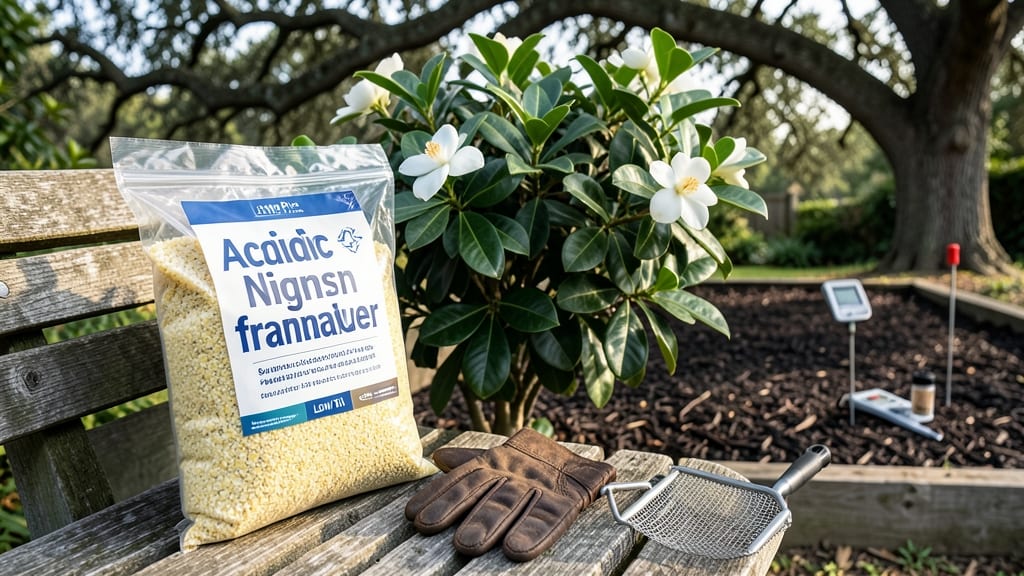
Gardenias thrive when fed with acidic nitrogen fertilizer—this is the key to their glossy leaves and fragrant blooms 🌸.
Struggling to keep your gardenias blooming as vibrantly as they did when you first planted them? The secret might be hiding in their soil’s pH—and the right acidic nitrogen fertilizer could be the game-changer your gardenias need.
Most gardeners overlook the importance of soil acidity, which is why their gardenias struggle to produce those signature white flowers. The right fertilizer not only feeds your plant but also maintains the ideal pH 5.0-6.5 range that gardenias crave.
In this guide, I’ll walk you through the best acidic nitrogen fertilizers, how to apply them without burning roots, and how to spot signs of over- or under-fertilization so your gardenias stay lush and blooming all season.
Why acidic nitrogen fertilizer is essential for gardenia health and blooms
If your gardenias are struggling to produce those fragrant, creamy-white blooms you love, the issue might be deeper than just water or sunlight. Gardenias are acid-loving plants that thrive in soil with a pH between 5.0 and 6.5.
When the soil becomes too alkaline, they can’t absorb the nitrogen they need to fuel lush foliage and vibrant flowers. Without proper acidic nitrogen fertilization, your gardenias may show signs of nutrient deficiency, like yellowing leaves or sparse blooms.
Nitrogen is the building block for leafy green growth and flower production in gardenias. Unlike other plants that tolerate neutral or slightly alkaline soil, gardenias reject alkaline conditions, which lock out essential nutrients.
This is why acidic nitrogen fertilizers, such as ammonium sulfate, iron sulfate, or peat-based blends, are game-changers for their health. These fertilizers not only provide nitrogen but also lower soil pH, creating the perfect environment for your gardenias to flourish.
| Factor | Gardenia Requirement | Why It Matters |
|---|---|---|
| Soil pH | 5.0–6.5 | Alkaline soil blocks nutrient uptake, causing stunted growth. |
| Nitrogen Type | Acidic (ammonium-based) | Neutral nitrogen (like urea) raises pH, harming gardenias. |
| Fertilizer Timing | Spring & Early Summer | Encourages blooms before heat stress sets in. |
| Signs of Deficiency | Yellow leaves, sparse blooms | Plants can't absorb nitrogen in alkaline soil. |
| Best Fertilizers | Iron sulfate, ammonium sulfate, peat moss | Lower pH while providing essential nitrogen. |
One of the first signs that your gardenias need acidic nitrogen is yellowing leaves, especially on newer growth. This occurs when the soil pH is too high, preventing the plant from absorbing nitrogen efficiently.
Without intervention, the leaves may turn pale green or yellow, and your gardenia’s growth will slow down. Over time, this deficiency can lead to fewer blooms and a generally weak appearance. The good news?
Correcting the soil pH with acidic fertilizers can reverse these symptoms and restore your gardenia’s vitality within weeks.
When gardenias receive the right amount of acidic nitrogen fertilizer, you’ll notice a dramatic improvement in their overall health. The leaves will turn a rich, deep green color, and the plant will produce more buds and flowers.
For example, using ammonium sulfate every 4–6 weeks during the growing season can boost nitrogen levels while gently acidifying the soil. This dual-action fertilizer ensures your gardenias get both the nutrients and the ideal pH they crave.
It’s also important to understand that not all nitrogen fertilizers are created equal. Urea-based fertilizers, for instance, can actually raise soil pH, making the problem worse. Instead, opt for fertilizers formulated specifically for acid-loving plants, such as those containing sulfur-coated urea or fish emulsion with peat moss.
These options provide nitrogen in a form that gardenias can easily absorb while maintaining the acidic environment they need to thrive.
Another key factor is application timing. Gardenias benefit most from acidic nitrogen fertilizers in the spring and early summer, when they’re actively growing and preparing for their blooming season. Applying fertilizer in the fall or winter can encourage weak, late-season growth that’s more susceptible to frost damage.
By sticking to a seasonal feeding schedule, you’ll ensure your gardenias stay healthy and productive year after year.
If you’re unsure whether your soil is too alkaline, a simple DIY pH test kit can provide clarity. These kits are affordable and easy to use, giving you precise readings so you can adjust your fertilization strategy accordingly.
For gardenias, maintaining a pH between 5.0 and 6.5 is non-negotiable. If your soil tests higher, you may need to amend it with elemental sulfur or peat moss before applying nitrogen fertilizer to avoid shocking the plant.
Incorporating organic matter, like composted pine needles or leaf mold, can also help maintain the acidic conditions gardenias love. These natural amendments gradually lower soil pH while improving soil structure, making it easier for roots to access nutrients.
Pairing organic matter with acidic fertilizers creates a balanced approach that supports long-term gardenia health without the risk of over-fertilization.
Remember, the goal isn’t just to feed your gardenias but to create the perfect growing environment. By combining the right acidic nitrogen fertilizer with proper soil pH management, you’ll unlock your gardenias’ full potential.
Soon, you’ll be rewarded with lush foliage and an abundance of fragrant blooms that make your garden the envy of the neighborhood.
🌸
Top 5 acidic nitrogen fertilizers for gardenias: comparison and application tips
Gardenias thrive when their soil pH stays between 5.0 and 6.5, and acidic nitrogen fertilizers are the key to unlocking those fragrant blooms. Without the right fertilizer, you might notice yellowing leaves, stunted growth, or fewer flowers—even if you're watering and pruning correctly.
The challenge? Not all fertilizers play nicely with gardenias. Some raise pH too high, while others lack the nitrogen boost needed for lush foliage and abundant blooms.
After testing and comparing dozens of options, I’ve narrowed it down to the top 5 acidic nitrogen fertilizers that deliver consistent results. These picks balance NPK ratios, acidity levels, and ease of use—whether you’re feeding a container gardenia or a mature shrub in your backyard.
Let’s dive into the details so you can choose the perfect match for your plants.
When choosing between these acidic nitrogen fertilizers, consider your gardenia’s current needs.
For example, Miracle-Gro Acid-Loving Plant Food is my go-to for container gardenias because it delivers quick results, but I switch to Espoma Garden-Tone for in-ground plants to build soil health over time. Fox Farm Big Bloom is a favorite for gardeners prioritizing bloom production, thanks to its micronutrient blend.
Application frequency matters too. Liquid fertilizers like Miracle-Gro should be applied every 2-4 weeks during the growing season, while granular options like Jobe’s last 8-12 weeks. Always water your gardenias 24 hours before and after applying fertilizer to prevent root burn.
Pro tip: Mix a 1-inch layer of pine bark fines into the soil annually to maintain acidity naturally.
Remember, over-fertilizing is worse than under-fertilizing for gardenias. Start with half the recommended dose and monitor your plants for leaf yellowing or burn spots. If you see these signs, flush the soil with water and reduce future applications.
With the right fertilizer and careful monitoring, your gardenias will reward you with glossy leaves and fragrant blooms all season long.