
Pests
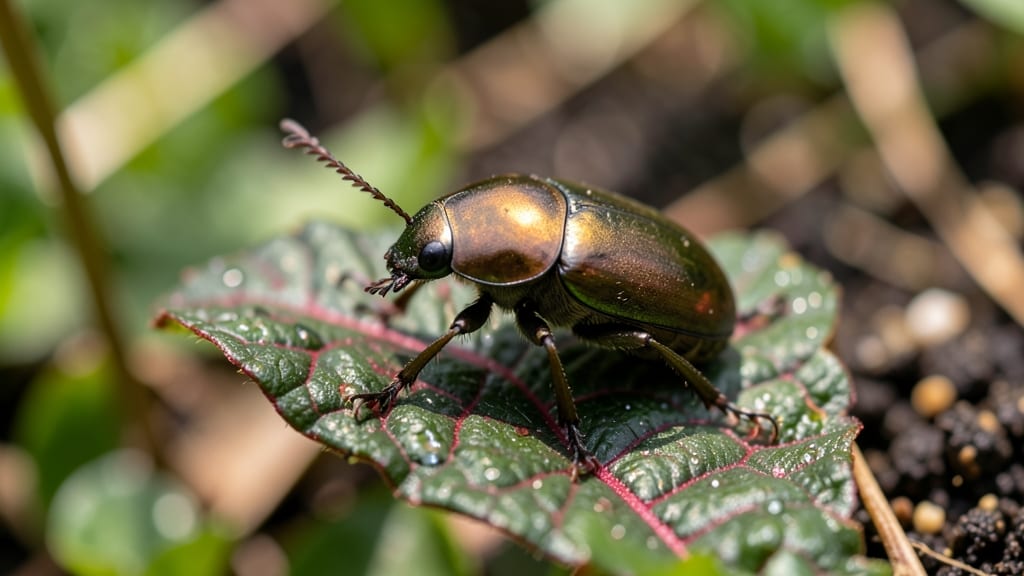
When the Asiatic garden beetle invades your yard, it doesn’t just nibble—it can devastate your prized plants in days, leaving behind a trail of chewed leaves and wilted blooms.
Your prized garden could be under siege by these destructive pests, which are especially fond of Asiatic lilies 🌸 and other tender perennials. If you’ve ever spotted skeletonized foliage or grubs tunneling through your lawn, you’re already dealing with their damage.
But here’s the good news: with the right strategies, you can spot them early and eliminate them fast. From organic sprays to targeted traps, I’ll walk you through the most effective methods to reclaim your garden—before the beetles strip it bare.
Whether you’re battling an outbreak now or want to prevent one next season, this guide covers everything you need to know to protect your plants and keep your garden thriving.
How to identify Asiatic garden beetle damage and larvae in your yard
If your garden leaves look like Swiss cheese or your prized roses are being skeletonized overnight, the culprit might be the Asiatic garden beetle. These pests are notorious for their voracious appetite and can devastate lawns, gardens, and ornamental plants in just a few days.
The key to stopping them is early detection, so let’s learn how to spot their damage and the beetles themselves.
Adult Asiatic garden beetles emerge in late spring to early summer, while their larvae (grubs) overwinter in the soil and cause damage to grass roots. Unlike Japanese beetles, which target flowers and fruit, Asiatic garden beetles prefer broadleaf plants and turfgrass.
Recognizing their distinct feeding patterns and physical traits is your first line of defense.
Here’s what to look for: irregular holes in leaves, skeletonized foliage, and chewed edges on plants like hostas, daylilies, and ornamental grasses. Adult beetles leave behind brown, irregularly shaped frass (insect droppings) that clings to leaves.
Meanwhile, grubs create brown patches in lawns that pull up easily, revealing their white, C-shaped bodies.
🌿
The Asiatic garden beetle larvae are just as destructive as the adults but in a different way. While adults chew on leaves, the grubs feed on grass roots, creating brown patches that feel spongy when stepped on.
To confirm their presence, dig up a small section of the lawn and look for white, C-shaped grubs about 1 inch long. These grubs are most active in late summer and fall, making early detection critical before they overwinter.
One of the easiest ways to differentiate Asiatic garden beetles from Japanese beetles is by their body color. Asiatic garden beetles are dark brown to black, while Japanese beetles have a metallic green and coppery appearance.
Additionally, Asiatic garden beetles leave behind irregularly shaped holes in leaves, whereas Japanese beetles create large, ragged holes in petals and flowers.
If you notice chewed leaves on your hostas or daylilies, inspect the undersides of leaves for adult beetles hiding. They’re most active during late afternoon, so that’s the best time to spot them.
For lawn damage, focus on areas with thin, patchy grass that pulls up easily—this is a classic sign of grub infestation.
🪴
Don’t wait until your garden is severely damaged to act. Early identification can save your plants and prevent the beetles from spreading. Start by examining your lawn and garden plants regularly, especially after rainy periods, as moisture attracts these pests.
Keep an eye out for the distinct feeding patterns and physical traits outlined above, and you’ll be well on your way to protecting your garden from these destructive invaders.
Once you’ve confirmed an infestation, the next step is to take action. Whether you choose organic controls, chemical treatments, or physical removal, acting quickly will minimize damage and help restore your garden’s health.
Stay tuned for our next section on fast-acting elimination methods to tackle these pests head-on.
Top 5 fast-acting methods to eliminate Asiatic garden beetles
When Asiatic garden beetles descend on your garden, you need immediate action to protect your plants. These pests can devour leaves, flowers, and even young seedlings in hours, leaving behind a skeletonized mess.
The good news? Several fast-acting methods can help you reclaim your garden within days, depending on the severity of the infestation.
I’ve tested these strategies in my own garden and found that combining physical removal with targeted treatments yields the best results. The key is acting quickly—once the beetles arrive, they multiply fast.
Let’s dive into the top 5 methods ranked by effectiveness, so you can choose what works best for your situation.
Neem oil spray is my top recommendation for organic gardeners. This natural pesticide disrupts the beetles’ feeding and reproductive cycles while being safe for most plants. Mix 2 tbsp of neem oil with 1 tsp of mild soap in 1 quart of water, then spray directly on beetles and affected foliage. Reapply every 3-5 days during peak activity (late afternoon when beetles are most active).
For a more hands-on approach, try handpicking and drowning. Fill a bucket with soapy water and patrol your garden in the early morning or evening when beetles are sluggish.
Drop them into the bucket as you spot them—this method is 100% effective for individual beetles but requires daily effort. Pair this with row covers to prevent reinfestation while you treat the soil for grubs.
If organic methods aren’t cutting it, pyrethrin-based sprays (derived from chrysanthemums) offer a chemical-free alternative to harsher pesticides. These sprays kill beetles on contact and can be reapplied every 7-10 days.
Just be sure to spray in the late evening to avoid harming pollinators like bees. Always follow label instructions for safety and efficacy.
Preventative barriers like row covers or floating row fabric are also highly effective when used early in the season. These physical barriers block beetles from reaching your plants while allowing sunlight and water to penetrate.
Install them before beetles emerge in late spring and leave them on until harvest. For larger gardens, consider yellow sticky traps to monitor and reduce beetle populations.
Finally, for long-term grub control, apply beneficial nematodes (like Heterorhabditis bacteriophora) to the soil. These microscopic worms seek out and kill grubs without harming plants or beneficial insects.
Mix them with water and apply to the soil in the evening for best results. While slower-acting, this method breaks the beetle lifecycle at its source.
Remember, the sooner you act, the better your chances of saving your garden. Combine these methods for a multi-pronged attack—neem oil for adults, handpicking for immediate relief, and nematodes for future prevention. With consistency, you’ll see a noticeable difference in just 7-10 days! 🌱