
Watering
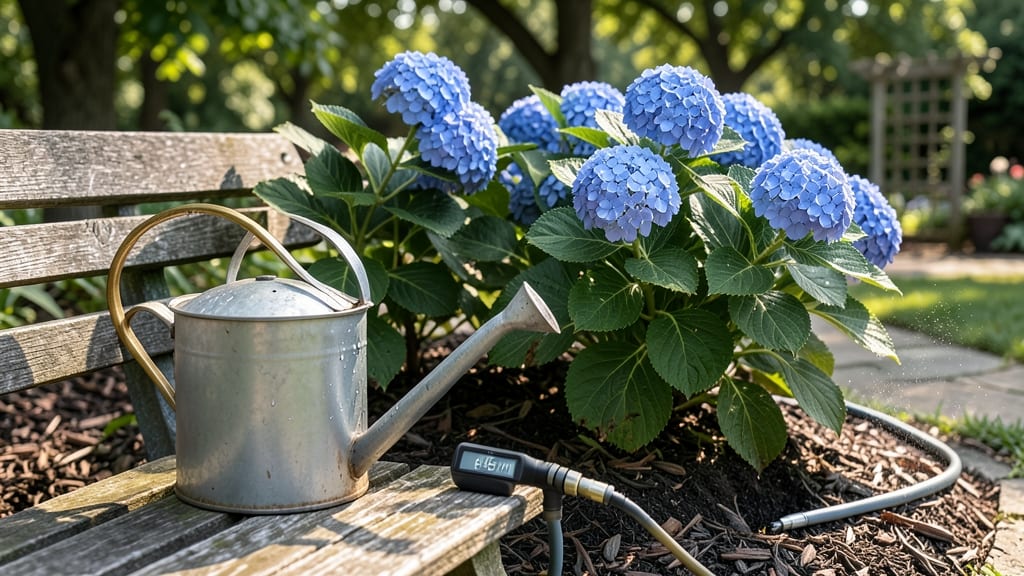
Watering garden plants at the best time—early morning—is the secret to stronger roots, fewer pests, and plants that practically glow with health 🌱.
Struggling to keep your garden thriving? The perfect watering time can make the difference between lush plants and wilting leaves—morning watering isn’t just a myth, it’s a science-backed secret.
Most gardeners assume evening watering keeps plants hydrated overnight, but that’s where fungal diseases and wasted moisture sneak in. Early morning watering gives roots time to soak up what they need before the sun beats down.
Below, I’ll break down the exact morning window, how to adjust for drought or humidity, and the one trick that cuts water use by 30%—without sacrificing a single leaf.
Why morning watering maximizes plant growth and root health
If you’ve ever wondered why your tomatoes or herbs look healthier after morning watering, there’s a reason beyond luck. Science shows that watering in the early morning hours—typically between 6 AM and 10 AM—gives plants the perfect start to the day.
This isn’t just gardening folklore; it’s rooted in how plants absorb water, how soil behaves, and even how diseases develop. Let’s break down why this timing makes all the difference for your garden’s root health and foliage vitality.
First, consider evaporation rates. When you water in the morning, the sun hasn’t yet peaked, so less water evaporates before it reaches the roots. Studies show that up to 30% more moisture is retained in the soil when watering occurs before noon compared to midday or evening.
This means your plants get more of the hydration they need without wasting precious resources. Plus, cooler morning temperatures reduce the risk of leaf scorch, which can happen when water droplets act like tiny magnifying glasses under the hot afternoon sun.
Another critical factor is fungal disease prevention. Wet foliage at night creates the perfect breeding ground for pathogens like powdery mildew and blight. When leaves stay damp overnight, spores thrive in the humid, dark conditions.
Morning watering allows foliage to dry quickly, giving fungi less time to take hold. In fact, gardens that water in the evening see a 2-3x higher incidence of fungal issues compared to those watered in the morning.
Let’s talk about root development. Plants are most active in the morning, absorbing nutrients and water to fuel growth. When you water early, roots have 12+ hours to absorb moisture before the heat of the day sets in.
This consistent hydration encourages deeper root systems, which means your plants become more drought-resistant over time. Think of it like giving your plants a hydration head start—they’re ready to soak up sunlight and grow instead of struggling to recover from midday watering.
Now, let’s address a common myth: “Watering at night keeps soil cool.” While it might feel logical, nighttime watering actually does more harm than good. The soil cools naturally as temperatures drop, and adding water at night can disrupt beneficial soil microbes that thrive in stable conditions.
Plus, without sunlight to evaporate excess moisture, roots can suffocate in waterlogged soil, leading to root rot. Morning watering strikes the perfect balance—keeping roots hydrated without inviting problems.
| Time of Day | Evaporation Rate | Fungal Risk | Root Absorption | Best For |
|---|---|---|---|---|
| Morning (6-10 AM) | Low (30% retention) | Low (foliage dries fast) | High (12+ hours to absorb) | All plants, especially veggies |
| Midday (10 AM-4 PM) | High (up to 50% loss) | Medium (leaf scorch risk) | Low (roots stressed by heat) | Emergency watering only |
| Evening (4-8 PM) | Medium (20% retention) | High (fungal growth overnight) | Medium (limited absorption time) | Drought conditions only |
| Night (8 PM-6 AM) | Low (but stagnant) | Very High (ideal for fungi) | Very Low (root suffocation risk) | Avoid unless necessary |
You might be thinking, “But what about my container plants or succulents?” Morning watering still applies, but with a twist. For succulents and cacti, watering in the morning allows excess moisture to evaporate before nightfall, preventing rot.
As for containers, they dry out faster, so a short, deep watering in the morning ensures roots get what they need without sitting in soggy soil.
Pro tip: Use a soil moisture meter to check when containers need water—morning is still ideal, but timing can vary based on pot size and material.
Let’s not forget the role of nutrient uptake. Plants absorb nutrients most efficiently when they’re well-hydrated, and morning watering aligns perfectly with their natural growth cycles. During the day, plants use the water and nutrients they’ve absorbed to produce energy through photosynthesis.
If you water at night, those nutrients sit unused, and your plants miss out on critical growth opportunities. It’s like giving your plants a breakfast of champions—they’re fueled and ready to tackle the day.
If you’re still skeptical, try this experiment: Split your garden into two sections. Water one half in the morning and the other in the evening for a month. Track differences in leaf health, growth rate, and pest/fungal issues.
Chances are, the morning-watered section will show noticeably better results. This isn’t just theory—it’s a proven strategy used by garden
Morning vs. evening watering: what the experts recommend
Choosing the best time to water garden plants isn't just about convenience—it's a critical factor in plant health. Morning watering gives roots a full day to absorb moisture before evening heat evaporates it.
Meanwhile, evening watering can leave foliage damp overnight, creating a perfect environment for fungal diseases like powdery mildew. Let's break down the science and practical tips for your garden.
Most expert gardeners agree that morning watering between 6 AM and 10 AM is ideal for most plants. This timing ensures water penetrates deep into the soil, reaches roots, and reduces surface evaporation.
However, this isn't a one-size-fits-all rule—your local climate and plant types play huge roles in determining the best schedule.
Morning Watering vs. Evening Watering
Morning Watering
- ✅ Reduces evaporation – Water lasts longer in soil
- ✅ Prevents fungal growth – Leaves dry quickly
- ✅ Encourages deep roots – Soil has time to absorb moisture
- ✅ Better for most climates – Works in hot/dry and humid areas
Evening Watering
- ❌ Increases fungal risk – Damp leaves stay wet overnight
- ❌ Wastes water – More evaporates before roots absorb it
- ❌ Shallow watering – Doesn't reach deep root zones
- ❌ Stress for plants – Can cause leaf burn in hot climates
For container plants and succulents, morning watering is especially important because their shallow root systems dry out faster. Watering in the morning ensures they get the moisture they need before the day's heat intensifies.
However, if you're growing tropical plants or those in humid climates, you might see slightly better results with evening watering—just avoid keeping foliage wet overnight.
One of the biggest gardening mistakes is assuming all plants have the same watering needs. Vegetables like tomatoes and peppers thrive with morning watering, but herbs like basil and cilantro can handle evening watering if you're careful about fungal risks.
Always check soil moisture by sticking your finger 1-2 inches deep—if it's dry, it's time to water.
If you're in a hot, dry climate, consider using drip irrigation systems set on a morning timer. This delivers water directly to the roots, minimizing evaporation and maximizing efficiency.
For cooler, wetter climates, you can sometimes stretch evening watering—but always finish by 6 PM to avoid overnight moisture buildup.
Remember, the best time to water garden plants ultimately depends on your specific conditions. Start with morning watering as your baseline, then adjust based on your plants' responses and local weather patterns. With the right schedule, you'll see healthier roots, fewer diseases, and stronger growth all season long. 🌱