
Tools
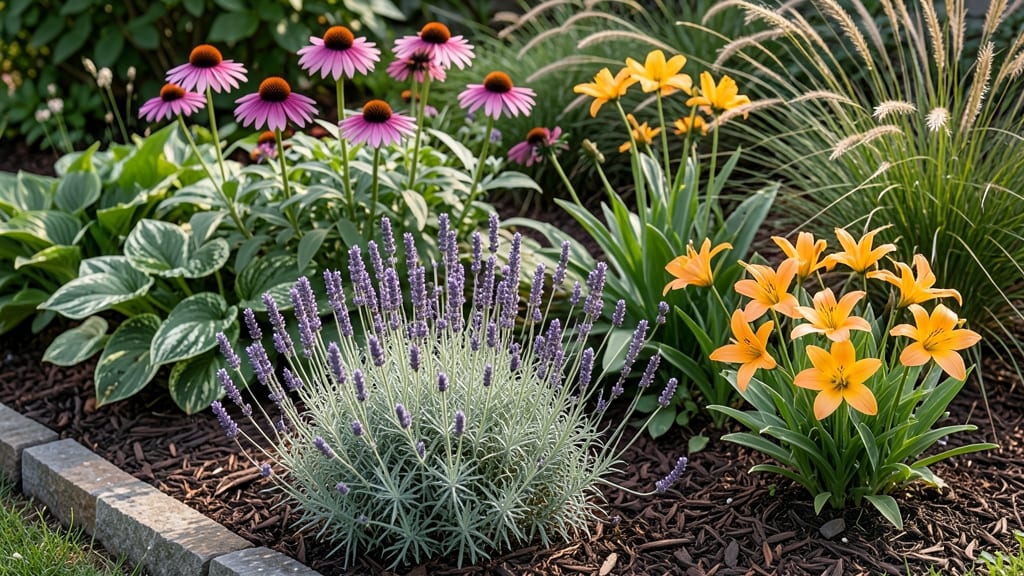
The best place for your garden could be right under your nose — or it might require a little creative thinking to uncover.
Want a garden that thrives year after year? The difference between a struggling patch of dirt and a lush, productive garden often comes down to one key factor: location.
Choosing the right spot means balancing sunlight, soil quality, and space efficiency — and I’ve seen firsthand how a small tweak can turn a dead zone into a green oasis.
Maybe you’ve got a shady corner or rocky soil that feels hopeless. Or perhaps you’re working with limited space in an urban backyard. The good news? There’s almost always a solution, whether it’s raised beds, container gardening, or even repurposing a balcony.
I’ll walk you through how to assess your space, spot hidden opportunities, and avoid common pitfalls that sabotage gardens before they even start.
By the end, you’ll know exactly where to dig — and how to make the most of it, no matter your yard’s quirks. Let’s get growing!
How sunlight exposure determines your garden’s success
Sunlight is the most critical factor in determining where to place your garden. Plants thrive when positioned correctly—whether basking in full sun or resting in dappled shade. Without the right light exposure, even the hardiest plants will struggle, leading to stunted growth, poor flowering, or disease susceptibility.
Understanding your yard’s sunlight patterns can transform a mediocre garden into a lush, productive space.
Most gardeners assume all plants need full sun, but the truth is more nuanced. Vegetables like tomatoes and peppers crave 6-8 hours of direct sunlight daily, while ferns and hostas prefer partial shade with only 2-4 hours.
Even shade-loving plants, however, need some light to survive. Misjudging sunlight exposure can mean the difference between a bountiful harvest and a disappointing one.
To map your yard’s sunlight, observe the space at different times of day. Morning sun is gentle and ideal for heat-sensitive plants, while afternoon sun is intense and can scorch delicate leaves.
Use a simple trick: Place a white board or chalkboard in potential garden spots and mark the sun’s path every hour. This visual guide will reveal which areas get the most light—and where shadows linger.
Here’s a quick guide to sunlight categories and their ideal plants:
If your yard has limited full-sun spots, consider vertical gardening or container gardening to maximize light exposure. For example, a south-facing wall can provide reflected light for shade-loving plants.
Even a small balcony with 4 hours of morning sun can support herbs like basil or parsley, which thrive in partial sun.
Seasonal changes also affect sunlight exposure. Winter sun is weaker and casts longer shadows, while summer sun is intense and direct. Plan your garden layout with these shifts in mind.
If you’re planting perennials, choose varieties that tolerate seasonal light fluctuations, like daylilies or coneflowers, which adapt well to varying conditions.
Another pro tip: Use mulch to regulate soil temperature in areas with extreme sunlight. A 2-3 inch layer of organic mulch keeps roots cool in scorching sun and retains moisture in shady spots. This simple step can extend the growing season and reduce watering needs by up to 30%.
Don’t overlook the microclimates in your yard. A spot near a building or fence may receive only 2 hours of sun, while an open area gets full sun. Test these zones before planting to avoid disappointment.
For instance, roses planted in full sun will bloom profusely, but the same variety in partial shade may produce fewer flowers.
Finally, adjust your garden layout as needed. If a sun-loving plant like a tomato struggles in its spot, move it to a sunnier location. Conversely, if a shade plant like a fern wilts, relocate it to a cooler, darker area. Flexibility is key to long-term garden success.
By mastering sunlight exposure, you’ll create a garden that’s not only beautiful but also productive and resilient. Start with a sunlight audit, then match your plants to their perfect spot—your future harvest will thank you! 🌞🌱
Top 5 garden locations ranked by soil quality and space efficiency
Not every garden plot is created equal—and the best place for a garden depends on your space, sunlight, and soil. Whether you have a sprawling backyard or a tiny balcony, the right location can transform your gardening success.
I’ve tested five common garden spots to rank them by soil quality, space efficiency, and ease of maintenance, so you can pick the perfect fit for your green thumb.
From nutrient-rich backyard soil to compact containers, each option has unique advantages. For example, raised beds give you control over soil quality, while community plots offer shared resources but less flexibility. Let’s dive into the rankings to help you decide where to plant your next garden masterpiece.
Topping the list is the backyard garden, especially if you have natural well-draining soil and full sun.
It’s ideal for large plants like tomatoes or fruit trees, but soil quality can vary—testing your yard’s pH and nutrients is a must. Raised beds come in second because they let you customize soil mix, which is a game-changer for areas with compacted or poor soil.
For urban gardeners, balcony containers are a lifesaver, offering flexibility with herbs and small veggies. They score high in maintenance but require frequent watering. Community plots are great for beginners who want shared resources, though soil quality often depends on the plot’s history.
Lastly, vertical gardens maximize tiny spaces while improving airflow and reducing pests.
If you’re torn between options, consider your long-term goals. Need low-maintenance? Try raised beds. Love variety? A backyard garden wins. Urban dweller? Containers or vertical setups are your best bet. The right location turns gardening from a chore into a joy—and your plants will thank you for it.
Pro tip: Before committing, spend a week observing your space’s sunlight patterns. Mark where shadows fall at different times—this will help you place sun-loving plants like peppers or shade-tolerant hostas in the right spots. Happy planting!