
Planting
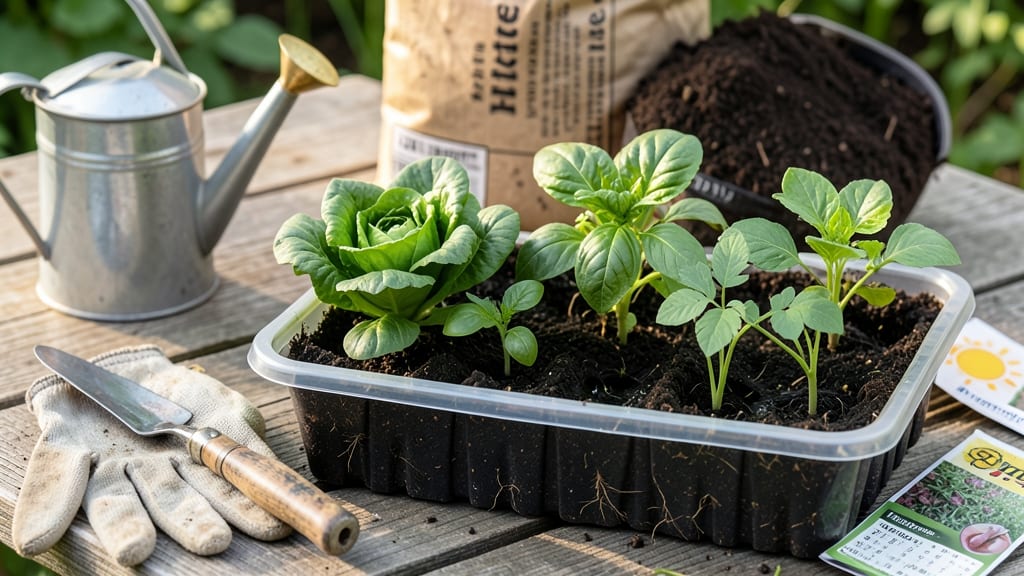
The best time to plant a garden depends on soil temperatures, not just the calendar—because cold soil can stall growth or invite pests, while warm soil is the fast-track to a thriving harvest.
Picture this: You’ve prepped your beds, ordered seeds, and even marked the calendar—only to watch your seedlings wilt because the ground was still too cold. Or worse, you planted too late and missed the growing season entirely. Timing isn’t just about when you plant; it’s about how the soil behaves.
Cool-season crops like lettuce and peas love soil between 32°F and 50°F, while tomatoes and peppers need it to hit 60°F–85°F before they’ll even think about sprouting. Ignore these triggers, and you’re basically asking for a garden that’s either too slow or too stressed to thrive.
In this guide, I’ll break down the exact soil temperature rules for your zone, plus pro tips to adjust for early starts, late frosts, or even urban heat islands. No more guessing—just faster, stronger growth from day one.

Soil temperature zones for planting: when to start based on your climate
Understanding soil temperature zones is one of the most critical factors for successful gardening. Unlike air temperature, soil temperature determines when seeds germinate and plants establish strong roots.
For cool-season crops like spinach and peas, ideal soil temperatures range between 32°F–50°F, while warm-season crops such as tomatoes and peppers thrive when soil reaches 65°F–85°F. Planting too early or late can lead to stunted growth or even crop failure.
Your USDA hardiness zone plays a major role in determining the right planting window. For example, gardeners in Zone 3 may start cool-season crops in late April, while those in Zone 10 can plant year-round.
Always check your local last frost date and adjust planting times accordingly. A simple soil thermometer can help you make precise decisions, ensuring your plants get off to the best possible start.
| Plant Type | Ideal Soil Temp (°F) | Best Planting Window | USDA Zones | Key Notes |
|---|---|---|---|---|
| Cool-Season Crops | 32°F–50°F | Early spring/fall | 3–8 | Spinach, kale, peas |
| Warm-Season Crops | 65°F–85°F | Late spring/summer | 5–10 | Tomatoes, peppers, cucumbers |
| Root Vegetables | 50°F–70°F | Spring or fall | All zones | Carrots, beets, potatoes |
| Herbs & Flowers | 55°F–75°F | Spring to early summer | 4–9 | Basil, marigolds, zinnias |
To test soil temperature accurately, use a soil thermometer inserted 2–3 inches deep. Early morning readings are most reliable since afternoon sun can artificially raise temperatures. If your soil is too cold, consider using black plastic mulch or row covers to warm it up faster.
Conversely, in hot climates, shade cloth can prevent soil from overheating and stressing your plants.
In USDA Zone 3–5, late winter planting is possible for hardy crops like broccoli or cabbage under protective covers. Meanwhile, gardeners in Zone 7–10 can extend their growing season into late fall by planting warm-season crops like sweet potatoes or kale after the first frost.
Always monitor local weather patterns, as unexpected cold snaps or heatwaves can disrupt planting schedules.
Another key factor is seed viability. Some seeds, like peas or lettuce, can germinate in cooler soils, while others, such as beans or squash, require warmer conditions. Always check seed packets for specific germination temperature ranges—this ensures you’re planting at the optimal time for each variety.
For example, tomato seeds won’t sprout below 70°F, so waiting for soil to warm is essential.
For container gardening, soil warms up faster than in-ground soil, so you can plant warm-season crops 2–3 weeks earlier. However, containers also dry out quicker, so consistent watering is crucial.
If you’re unsure about your soil’s readiness, perform a simple finger test: press your finger into the soil—if it feels cool but workable, it’s likely ready for planting.
Regional microclimates can also affect planting times. Urban areas often experience heat islands, where soil stays warmer than in rural settings. Conversely, coastal regions may have cooler soils due to ocean breezes.
Adjust your planting schedule based on your specific location’s microclimate conditions—this can mean the difference between a thriving garden and a disappointing one.
Finally, don’t forget about succession planting. By staggering plantings every 2–3 weeks, you can extend harvests and maximize your garden’s productivity. For instance, planting lettuce in early spring, again in late summer, and once more in early fall ensures a continuous supply.
This strategy works especially well for fast-growing crops like radishes or bush beans.
Mastering soil temperature zones takes practice, but with the right tools and knowledge, you’ll be able to plant with confidence. Start by testing your soil’s temperature regularly, adjust for your specific USDA zone, and always keep an eye on local weather forecasts.
Your garden will thank you with vibrant growth and bountiful harvest
How to adjust planting timing for faster growth and higher yields
Even with the perfect soil temperature, your garden's growth speed and yield depend heavily on when you plant. Adjusting your schedule with smart techniques can add weeks to your growing season and protect tender seedlings from late frosts or scorching heat.
The key is understanding how to extend seasons and adapt to microclimates—whether you're in a city heat island or a cool mountain valley.
Many gardeners miss peak growth windows by planting too early or too late. For example, cool-season crops like broccoli and peas need to mature before summer heat sets in, while warm-season crops like tomatoes and peppers thrive when soil stays above 60°F.
The solution? Use tools like row covers, cold frames, and succession planting to fine-tune your schedule and maximize yields.
- Use row covers to protect seedlings from late frosts and extend the planting window by 2-4 weeks.
- Cold frames can raise soil temps by 10-15°F, allowing you to start warm-season crops earlier.
- Succession planting every 2-3 weeks ensures a continuous harvest and prevents bolting in heat-sensitive greens.
- Adjust for microclimates: Urban areas can be 5-10°F warmer than rural zones—plant heat-tolerant varieties.
- Avoid planting too early—cool soil slows germination and invites fungal diseases.
One of my favorite tricks is succession planting, especially for leafy greens like lettuce and spinach. Instead of sowing all seeds at once, I plant small batches every 2-3 weeks. This ensures a steady harvest and prevents bolting when temperatures rise.
For example, in USDA Zone 7, I start my first batch of lettuce in early March under row covers, then follow up with two more plantings in April and May.
Microclimates can drastically alter your planting timeline. If you live in an urban heat island, where pavement and buildings trap heat, you might need to shift your schedule 1-2 weeks earlier for warm-season crops.
Conversely, if your garden sits in a shady spot or near a lake, it could stay cooler longer, delaying planting by 10-14 days. Always monitor your garden’s unique conditions—soil temperature probes are a game-changer for accuracy.
Another common mistake is planting too late in the season. For instance, fall crops like kale and carrots need 60-80 days to mature before the first frost. If you wait until mid-September in Zone 5, you might not get a harvest before winter sets in.
Instead, aim for early August plantings to ensure a full season. Always check your average first frost date and count backward from there.
For fastest growth, pair your planting adjustments with proper soil prep. Amend your beds with compost and organic matter to improve drainage and warmth retention. Mulching with straw or shredded leaves also helps regulate soil temperature, keeping roots cool in summer and insulating them in winter.
These small tweaks can double your yields by creating the ideal growing conditions year-round.