
Planting
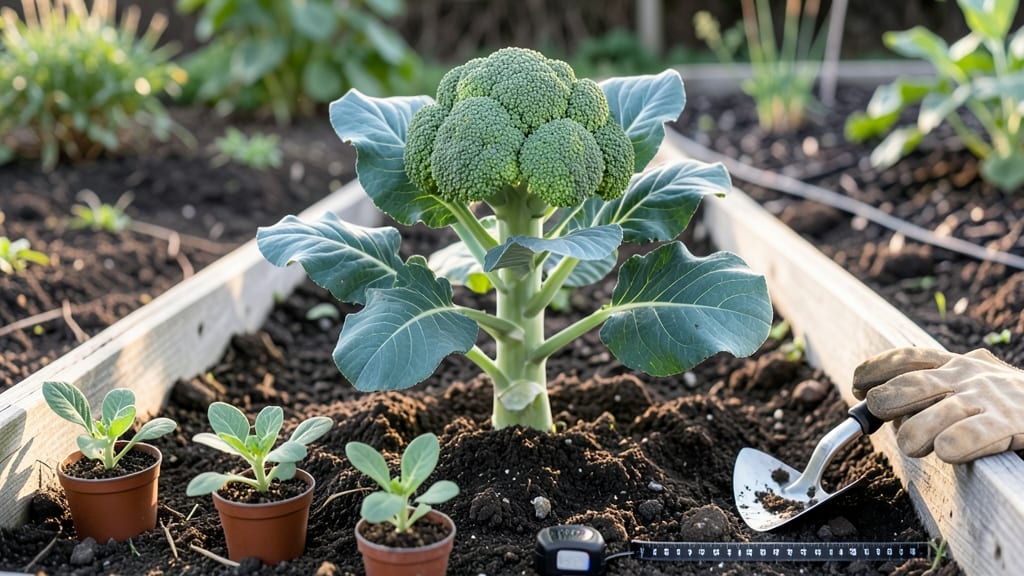
Spacing broccoli in your garden properly is the secret to bigger heads, fewer pests, and a harvest that keeps coming all season long 🥦.
If you’ve ever stared at a patch of broccoli and wondered why your plants are stunted or your heads are tiny, the answer is likely in how close—or far apart—they’re growing.
Too tight, and they fight for sunlight; too wide, and you’re wasting space. The right spacing isn’t just about fitting more plants in—it’s about giving each one room to thrive.
In this guide, I’ll break down the ideal distances for broccoli whether you’re planting in rows, containers, or a small urban plot. You’ll also learn how to spot overcrowding early, adjust spacing mid-season, and even use companion plants to maximize your yield without sacrificing quality.
By the end, you’ll know exactly how to arrange your broccoli for healthier plants, fewer diseases, and a garden that produces like a pro—no guesswork required.
Ideal broccoli spacing by planting method: in-ground vs. containers
Broccoli thrives when given the right amount of space to stretch its 2-3 foot mature height and spread its 18-inch diameter. Proper spacing ensures each plant gets sunlight, nutrients, and airflow to produce large, disease-free heads.
Whether you're planting in-ground or containers, understanding these guidelines will maximize your harvest and minimize competition.
The key to broccoli spacing lies in balancing plant maturity and garden layout. In-ground plots allow for broader spacing, while containers demand tighter arrangements. Both methods require adjustments based on your variety type—whether you're growing compact 'De Cicco' or standard 'Calabrese' broccoli.
Let’s break down the ideal distances for each approach.
| Method | Spacing Between Plants | Spacing Between Rows | Container Size (Minimum) | Best For |
|---|---|---|---|---|
| In-Ground (Row Planting) | 18-24 inches | 30-36 inches | N/A | Large gardens, high yields |
| In-Ground (Square Foot) | 9 plants per sq ft | N/A | N/A | Small plots, intensive gardening |
| Containers (Single Plant) | N/A | N/A | 12-15 gallon pot | Balconies, patios, small spaces |
| Containers (Multiple Plants) | 12-18 inches apart | N/A | 20+ gallon container | Urban gardening, decks |
Note: Adjust spacing for dwarf varieties (e.g., 'Little Sprout') to 12-15 inches apart.
For in-ground planting, 18-24 inches between plants is ideal for most broccoli varieties. This spacing allows roots to spread without competing for nutrients, while the 30-36 inch row spacing ensures adequate airflow to prevent fungal diseases like downy mildew.
If you're practicing square-foot gardening, place 9 broccoli plants per square foot—this method works well for compact varieties and maximizes space in small gardens.
Container gardening requires careful planning since space is limited. A 12-15 gallon pot is the minimum for a single broccoli plant, providing enough room for root growth and stability.
If you're growing multiple plants in containers, space them 12-18 inches apart and use a container with at least 20 gallons of volume. Ensure containers have drainage holes to prevent root rot, a common issue in crowded or poorly draining setups.
Succession planting is a game-changer for broccoli yields. By staggering plantings every 2-3 weeks in spring and fall, you can extend your harvest season and make the most of your garden space.
For example, plant your first batch in early March, then follow up with additional plantings in late March and early April. This method works for both in-ground and container gardens, ensuring a steady supply of fresh broccoli.
Proper spacing isn’t just about yield—it’s also about head size. Overcrowded broccoli plants produce smaller, less flavorful heads because they compete for sunlight and nutrients. In contrast, well-spaced plants develop large, dense heads that are packed with flavor.
For instance, 'Calabrese' broccoli can reach heads up to 8 inches in diameter when given ample space, while crowded plants may only produce heads 4 inches or smaller.
Disease prevention is another critical reason to follow spacing guidelines. Broccoli plants with poor airflow are more susceptible to
How crowding affects broccoli growth: signs of overplanting and fixes
When your broccoli plants are too close together, they’ll fight for sunlight and nutrients—leading to smaller heads and weaker stems. I’ve seen crowded broccoli patches where plants lean dramatically toward the sun, stretching their stems in a desperate bid for light.
This overcrowding also traps moisture, creating the perfect conditions for fungal diseases like downy mildew.
One of the first warning signs of overplanting is yellowing leaves, especially on the lower stems. This happens when plants can’t access enough nutrients because their roots are competing.
Another red flag? Your broccoli heads stay small—often under 4 inches in diameter—even after weeks of growth. If you’re harvesting puny heads, it’s time to reassess your spacing.
⚠️ CALLOUT WARNING ⚠️
Symptoms: Stunted growth, yellow leaves, small heads (<4"), leaning stems, fungal spots
Fix: Thin seedlings to 12-18" apart immediately. If already planted, prune crowded stems at the base and space remaining plants 18-24" apart.
Pro Tip: Use companion plants like bush beans or radishes to fill gaps without competing for space.
If you notice your broccoli plants leaning or stretching toward the sun, it’s a clear sign they’re competing for light. To fix this, gently prune the weakest stems at the base, leaving only the healthiest 2-3 plants per foot.
This opens up space for better air circulation, reducing humidity and preventing disease. I’ve found that thinning early—when seedlings are just 3-4 inches tall—gives remaining plants room to develop strong, upright stems.
Another effective fix is companion planting. Pairing broccoli with fast-growing crops like lettuce or radishes helps maximize your garden’s potential. These shallow-rooted plants fill gaps without stealing nutrients from your broccoli.
Just avoid planting near tomatoes or potatoes, which can attract pests that also target broccoli, like cabbage moths.
For mid-season adjustments, consider succession planting in a separate row. If your current broccoli is crowded, let the side shoots (the smaller heads that form after harvesting the main head) grow out, then thin them to 12 inches apart.
This ensures you still get a harvest while giving your plants the space they need to thrive. Mulching around the base with straw or grass clippings also helps retain moisture and suppress weeds, reducing competition.
Remember, broccoli needs 18-24 inches of space between plants to grow strong heads. If your garden is already planted too closely, don’t panic—just take action now. With the right adjustments, your broccoli can still produce large, healthy heads and even side shoots for a second harvest. 🌱