
Light Requirements
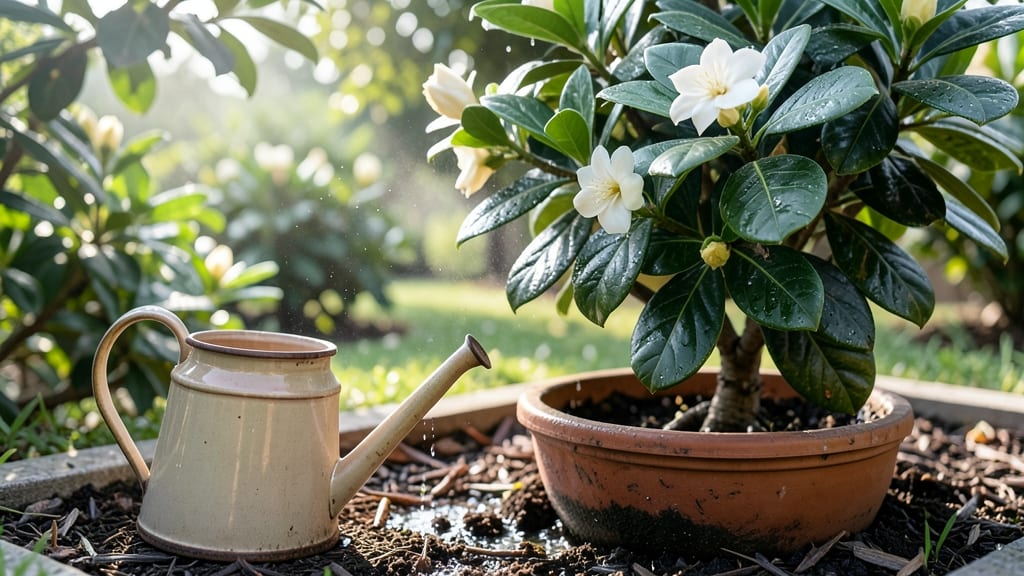
Do gardenias need a lot of water? The answer is nuanced—these fragrant shrubs thrive with consistently moist—not soggy—soil, and their watering needs are often misunderstood by gardeners.
Picture this: you’re watering your 🌸 gardenia every day, but the blooms still look lackluster. Or worse, the leaves yellow and drop. That’s because these fragrant shrubs hate extremes—too much water drowns their roots, while too little stresses them into dropping buds.
The key is a steady, balanced approach that changes with the seasons.
In summer’s heat, gardenias may need water every 2-3 days, but in cooler months, cutting back to once a week keeps them happy. The trick? Water deeply in the morning so the soil stays evenly moist without becoming waterlogged.
Overwatering is the #1 reason gardenias struggle, but with the right routine, you’ll see those glossy leaves and intoxicating blooms thrive.
Below, I’ll break down exactly how often to water, how to spot over- or under-watering, and the best techniques to keep your gardenia lush all season long.
How much water gardenias actually need (and when to adjust)
Gardenias thrive on consistent moisture, but their water needs are often misunderstood. While they love humidity, they’re just as prone to root rot from overwatering as they are to wilting from drought.
The key is replicating their natural tropical environment—moist but never soggy soil. Let’s debunk the myth that gardenias need excessive water and uncover the ideal schedule for blooms that last.
Most gardeners assume gardenias need a lot of water because of their lush appearance, but their roots are sensitive to waterlogged conditions. In reality, they prefer soil that stays evenly moist at the top 1-2 inches.
Think of it like a sponge—squeeze out excess water, but keep it damp enough to support their tropical roots. This balance is crucial, especially in containers, where soil dries out faster.
Here’s the truth about gardenia water needs, broken down by season and soil type to keep your shrub thriving all year:
Seasonal adjustments are critical. During summer’s peak heat, gardenias may need watering daily or every other day, especially in containers or sandy soil. In contrast, winter dormancy reduces their needs to just bi-weekly watering—overwatering in cold months stresses their roots.
Always check soil moisture with your finger before watering; if the top 1-2 inches feel dry, it’s time to hydrate.
Soil type plays a huge role. Gardenias hate waterlogged conditions but also struggle in fast-draining sand. Amend your soil with peat moss or compost to retain moisture while improving aeration. A 3-inch layer of mulch helps conserve soil moisture and regulates temperature—critical for preventing root stress.
For container gardenias, choose pots with drainage holes and use a mix of potting soil and perlite to mimic ideal conditions.
Watch for leaf color changes to gauge water needs. Yellowing leaves often signal overwatering or poor drainage, while crispy, brown edges mean underwatering. Drooping stems can indicate either extreme—check soil moisture before assuming thirst.
Pro tip: If your gardenia’s leaves feel slightly wilting in the afternoon, it’s likely thirsty and needs a deep watering. But if the stems feel mushy or blackened, you’ve overdone it.
Morning watering is non-negotiable. Watering in the early morning (6-9 AM) allows foliage to dry before evening, reducing fungal diseases like powdery mildew. Avoid evening watering, which keeps leaves damp overnight—a breeding ground for pests.
For potted gardenias, water until it drains from the bottom, then empty the saucer to prevent root rot. Over time, you’ll develop a rhythm that keeps your gardenia’s roots happy and healthy.
One common mistake is assuming gardenias need a lot of water because they’re tropical. In reality, their roots are delicate and prone to rot if saturated. The goal is consistent moisture without soggy soil.
Think of it like a spa day for your plant—just enough to keep it refreshed, not drowned. With the right balance, your gardenia will reward you with glossy leaves and fragrant blooms all season long.
Remember: Adjust based on your climate. Humid regions may require slightly less frequent watering, while dry areas need more attention. Pay close attention to your gardenia’s growth patterns—healthy plants will show it in their vibrant foliage and abundant flowers.
When in doubt, check the soil first—your gardenia’s roots will thank you.
🌸
5 Signs your gardenia is thirsty (or drowning) + how to fix it
Gardenias thrive on consistent moisture, but their delicate roots can't handle extremes. The key is well-draining soil that stays evenly damp—not soggy or bone-dry. I’ve seen gardeners drown their plants thinking they needed lots of water, only to watch them wilt from root rot.
Let’s decode the 5 clear signs your gardenia is thirsty—or drowning—and how to fix each one fast.
First, check your leaf color. Healthy gardenia leaves are deep green and glossy. If they’re yellowing or crisping at the edges, that’s a cry for water. But if they’re darkening or feel mushy, you’re overdoing it.
The soil’s texture is your next clue: stick your finger 2 inches deep. If it’s dry, water immediately. If it’s wet, hold off for a few days. These visual cues save plants every season.
- 1. Wilting leaves that don’t perk up after watering = drought stress. Fix: Water deeply until soil is moist 4-6 inches down.
- 2. Yellowing leaves starting at the bottom = overwatering. Fix: Let soil dry 50% between waterings.
- 3. Mushy stems or blackened roots = root rot. Fix: Trim dead roots, repot with fresh, dry soil.
- 4. Dropping buds before blooming = inconsistent moisture. Fix: Mulch to retain even humidity.
- 5. Soil pulling away from pot edges = severe drought. Fix: Soak thoroughly, then water every 2 days until recovery.
When I notice wilting leaves in my gardenias, I first check the soil. If it’s dry, I water deeply until it drains from the bottom. For yellowing leaves, I reduce watering and improve drainage by adding perlite.
The fix isn’t one-size-fits-all—it’s about matching the symptom to the root cause. For example, dropping buds often means the plant’s struggling with moisture fluctuations. A thick layer of mulch keeps roots stable.
If your gardenia’s stems feel mushy when pressed, act fast. Root rot spreads quickly in waterlogged soil. I’ve salvaged plants by trimming affected roots with sterilized shears, repotting in fresh soil, and cutting back on water for 2 weeks.
For severe drought, where soil cracks appear, I soak the plant until water runs out the drainage holes, then monitor closely. Recovery takes patience, but gardenias bounce back with proper care.
Seasonal shifts change watering needs. In summer’s heat, I water gardenias daily but in short bursts to avoid runoff. In winter dormancy, I cut back to bi-weekly watering.
Adjusting your routine based on weather prevents both thirsty and drowned plants. Pro tip: Group gardenias with other moisture-loving plants like azaleas to create a microclimate that retains humidity naturally.
Don’t ignore leaf curl or stunted growth—these are early warnings too. A gardenia that’s thirsty will often show crispy edges first, while overwatered plants develop fungal spots. I keep a watering journal to track patterns, noting when leaves perk up after adjustments.
With time, you’ll learn your gardenia’s personal rhythm. The goal? Consistency—not perfection.