
Shrubs
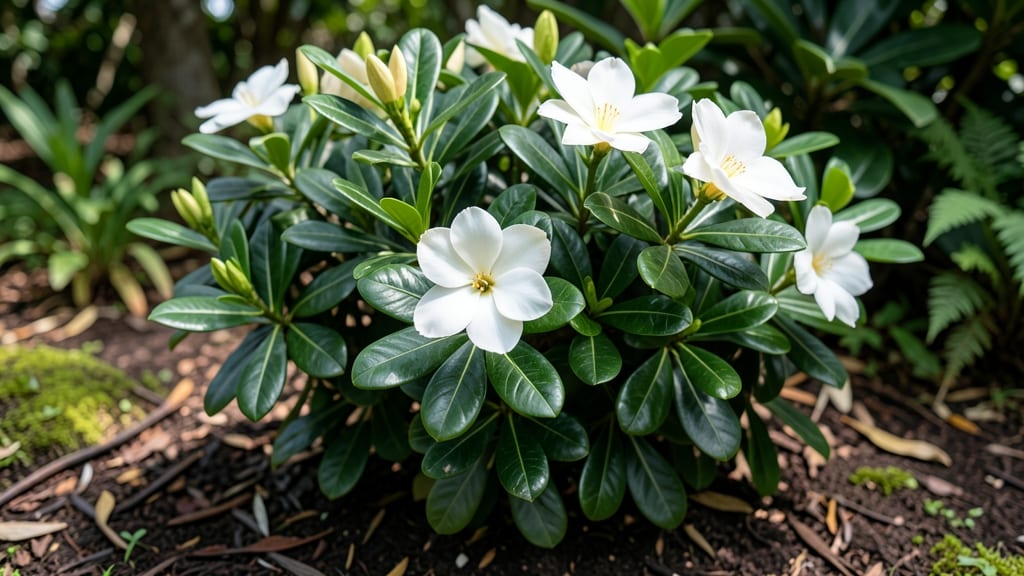
A full-grown gardenia 🌸 can turn your yard into a fragrant paradise—but only if you prune it the right way. Most gardeners miss the key timing that unlocks year-round blooms, leaving their plants struggling with sparse flowers or leggy growth.
Picture this: your gardenia covered in creamy-white blossoms from spring through fall, filling the air with its intoxicating scent. The secret isn’t just when to trim—it’s how to shape the plant without shocking it, plus the little adjustments most guides skip.
In this guide, I’ll walk you through the exact pruning schedule for your mature gardenia, from spring cleanup to summer shaping, plus how to fix common mistakes that kill blooms. No more guessing—just proven techniques for a lush, fragrant shrub that stays in bloom longer.
Ready to transform your gardenia from seasonal bursts of flowers to a continuous floral masterpiece? Let’s get started with the pruning secrets that make all the difference.
When and how to prune a full-grown gardenia for maximum blooms
Your full-grown gardenia thrives on regular pruning to maintain its lush shape and encourage year-round blooms. Unlike many shrubs, gardenias bloom on new wood, meaning pruning stimulates fresh growth that produces flowers.
The key is timing—prune at the right season and use the correct technique to avoid shocking your plant.
Most gardeners make the mistake of pruning too late in the season or cutting back too aggressively. This can lead to fewer blooms or even defoliation. My gardenia now produces flowers from late spring through fall because I follow a precise pruning schedule.
Let’s dive into the exact steps to transform your gardenia into a continuous floral display.
Step-by-Step Pruning Guide for Year-Round Blooms
-
Step 1: Choose the Right Time
Prune your gardenia after flowering, typically in late spring or early summer (May-June). This allows the plant to recover before winter dormancy.
-
Step 2: Gather Your Tools
Use sterilized pruning shears or bypass pruners to make clean cuts. Disinfect tools with rubbing alcohol to prevent disease spread.
-
Step 3: Remove Dead or Weak Wood
Cut back dead branches and any growth that’s thin, leggy, or crossing. This improves airflow and reduces pest risks.
-
Step 4: Shape the Shrub
Trim overgrown branches by 1/3 of their length to maintain a balanced shape. Avoid cutting into old wood—focus on new growth for blooms.
-
Step 5: Lightly Prune for Airflow
Thin out dense foliage to allow sunlight to reach inner branches. This encourages more blooms and reduces fungal issues.
-
Step 6: Post-Pruning Care
Water deeply after pruning and apply mulch to retain moisture. Avoid fertilizing immediately—wait 4-6 weeks to let the plant recover.
Timing is everything when pruning gardenias. If you prune too early (before flowering), you risk removing next year’s blooms. Conversely, pruning too late (after September) can stress the plant before winter.
My gardenia blooms most prolifically when pruned in late May, just as the first flush of flowers fades.
Always use sharp, clean tools to prevent tearing branches, which can invite disease. I sterilize my pruners with 70% isopropyl alcohol between cuts to keep my gardenia healthy.
Ragged cuts heal slowly and are more susceptible to infections, so take your time and make precise cuts just above a leaf node or bud.
After pruning, monitor your gardenia for signs of stress, like yellowing leaves or dropped buds. These could indicate over-pruning or poor recovery. If you notice wilting, increase watering slightly and provide partial shade for a few days to help the plant adjust.
For potted gardenias, prune similarly but avoid cutting more than 20% of the foliage at once. Container plants have limited root systems and recover more slowly. I repot mine every 2-3 years to refresh the soil, which also encourages healthier growth and more abundant blooms.
One of my favorite tricks is to prune my gardenia in two stages: a light trim after the first bloom cycle (May) and a second, lighter prune in early July. This extends the flowering season and keeps the shrub looking tidy without overstressing it.
Finally, never prune gardenias in winter—they’re dormant and won’t recover well. Instead, focus on mulching and protecting roots from frost. With the right timing and technique, your gardenia will reward you with fragrant, year-round blooms that fill your garden with sweetness.
🌸
Common pruning mistakes that kill gardenia blooms (and how to fix them)
Your full-grown gardenia might be struggling to bloom because of simple pruning mistakes that many gardeners make without realizing it. The wrong cuts at the wrong time can send your plant into shock, reducing—or even eliminating—those prized fragrant blooms.
Understanding these errors will help you revive your gardenia's flowering potential and keep it healthy for years to come.
One of the biggest mistakes is pruning at the wrong time of year. Gardenias bloom on old wood, meaning last year's growth produces this year's flowers. If you prune too late in the season, you risk cutting off next year's blooms before they form.
Even small errors in timing can drastically reduce your plant's flowering capacity, leaving you with sparse or no blooms.
⚠️ CAUTION: These Pruning Mistakes Are Killing Your Gardenia's Blooms ⚠️
❌ Over-Pruning
Cutting back more than 1/3 of the plant at once stresses the gardenia, reducing energy available for blooming. This mistake is common when gardeners try to "revitalize" their shrubs too aggressively.
❌ Wrong Timing
Pruning after mid-summer removes next year's flower buds. Always prune in early spring (just after blooming) or late winter before new growth begins.
❌ Using Dirty Tools
Dull or contaminated shears spread bacterial infections like sooty mold or powdery mildew, which weaken the plant and reduce blooming. Always sterilize tools with rubbing alcohol before use.
Another frequent error is cutting too close to the branch collar. When you make clean cuts just above a bud or branch, you leave a small stub that can trap moisture and invite disease.
Instead, make your cuts at a 45-degree angle, about 1/4 inch above the collar, to promote faster healing and stronger regrowth.
If your gardenia has bare branches or fewer blooms than usual, it might be suffering from under-pruning. While you shouldn't overdo it, light pruning to remove dead or crossing branches every year improves airflow and encourages more blooms.
Focus on shaping the plant while preserving its natural form to maintain a healthy balance.
To diagnose and fix issues, use this quick checklist: ☑️ Are your cuts made at the right angle and location? ☑️ Did you prune at the correct time of year? ☑️ Are your tools clean and sharp? ☑️ Are you removing dead or diseased branches? ☑️ Are you avoiding over-pruning more than 1/3 of the plant?
Following these steps will help your full-grown gardenia recover and thrive with abundant blooms.
With the right pruning techniques, your gardenia can reward you with year-round fragrance and stunning blooms. Start by correcting any mistakes you've made, and always prune with care to keep your gardenia healthy and flourishing.
Your efforts will be worth it when you're surrounded by the sweet scent of those creamy-white flowers! 🌸