
Fertilization
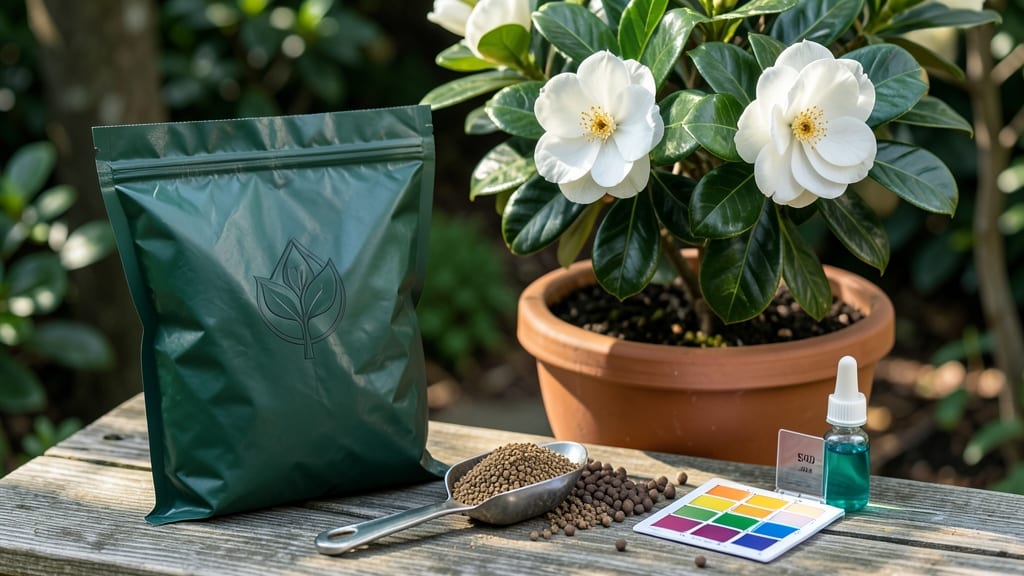
To keep your gardenia 🌸 blooming with its signature intoxicating fragrance, the right fertilizer ratio is the game-changer—most gardeners miss the mark by focusing only on nitrogen.
Struggling to get your gardenia to bloom with its signature intoxicating fragrance? The secret often lies in the right fertilizer ratio—too much nitrogen and you’ll get lush leaves but no flowers, while too little phosphorus or potassium can stunt growth entirely.
Gardenia thrives in General (Tropical/Subtropical Preferred) zones, where a balanced 3-1-2 to 4-1-2 nitrogen-phosphorus-potassium (NPK) mix fuels both foliage and blooms without overwhelming the plant.
Below, I break down the science-backed ratios, seasonal adjustments, and how to avoid common mistakes—like over-fertilizing—that can turn your fragrant shrub into a leafy monster.
Optimal N-P-K ratio for gardenia blooms: science-backed breakdown
Your gardenia’s fragrant blooms are a labor of love, and the N-P-K ratio in your fertilizer is the secret ingredient. Too much nitrogen (N) pushes leafy growth at the expense of flowers, while too little phosphorus (P) or potassium (K) weakens roots and stems.
The ideal ratio for gardenias is 3-1-2 to 4-1-2, striking the perfect balance for lush foliage and abundant blooms.
Phosphorus is the flowering catalyst—it fuels root development and energy transfer to buds. Without enough P, your gardenia will struggle to produce the iconic white, creamy blooms you adore.
Meanwhile, potassium strengthens disease resistance and stress tolerance, helping your plant thrive in your climate. Let’s break down the science and how to apply it seasonally for maximum impact.
| Growth Stage | Recommended N-P-K Ratio | Phosphorus Focus | Seasonal Timing |
|---|---|---|---|
| Early Spring (New Growth) | 4-1-2 | Moderate (bud formation) | March-April |
| Late Spring (Bloom Prep) | 3-1-2 | High (flower development) | May-June |
| Summer (Maintenance) | 2-1-2 | Low (sustain blooms) | July-August |
| Fall (Post-Bloom) | 3-1-1 | Moderate (root recovery) | September-October |
| Winter (Dormancy) | 0-0-0 | None (rest period) | November-February |
For new gardenia plants or those recovering from stress, start with a 4-1-2 ratio in early spring to encourage robust foliage and root establishment. Once buds form, switch to a 3-1-2 ratio to prioritize blooming. This shift ensures your plant isn’t overloaded with nitrogen, which can delay or prevent flowering.
In summer months, reduce nitrogen further to a 2-1-2 ratio. High temperatures and humidity can stress gardenias, so potassium becomes even more critical for disease resistance. Think of this as a "maintenance mode" to keep existing blooms healthy without pushing new growth.
Fall is the time to transition back to a 3-1-1 ratio, focusing on phosphorus to strengthen roots for winter. Avoid fertilizing in late fall or winter entirely—gardenia’s need a dormancy period to recharge. Over-fertilizing during this time can lead to burned roots or weak new growth in spring.
If your gardenia is houseplant-bound, use a balanced liquid fertilizer like 5-5-5 diluted to half-strength every 6 weeks. Container plants have limited root space, so they’re more sensitive to salt buildup from concentrated fertilizers. Always water thoroughly after feeding to flush excess salts from the soil.
For outdoor gardenias, opt for slow-release granules with a 3-1-2 ratio, like those labeled for azaleas or camellias.
These plants thrive in acidic soil (pH 5.0–6.0), so pair your fertilizer with sulfur or peat moss to maintain the ideal pH. Test your soil annually—gardenia’s are finicky about acidity!
Watch for tell-tale signs of imbalance: yellow leaves with green veins signal too much nitrogen, while dark green leaves with no blooms mean phosphorus deficiency.
Brown leaf edges often point to potassium shortage or over-fertilization. Adjust your ratio and monitor closely—your gardenia will thank you with show-stopping blooms.
Pro tip: Mix 1 tbsp of bone meal (high in phosphorus) into the soil in early spring to kickstart bloom production. Bone meal breaks down slowly, providing a steady phosphorus supply without the risk of burning roots that synthetic fertilizers can cause.
🌸
How to apply gardenia fertilizer: step-by-step ratio guide
Applying the right gardenia fertilizer ratio transforms your plant from a leafy shrub into a fragrant blooming beauty. Gardenias thrive on a balanced NPK ratio of 3-1-2 to 4-1-2, prioritizing phosphorus for flowers and potassium for root strength.
Whether you're using granular or liquid fertilizer, precision matters—too much nitrogen steals energy from blooms, while too little phosphorus leaves your gardenia flowerless.
Start by testing your soil's pH level—gardenia's love acidic soil (5.0-6.0). If your soil is alkaline, amend it with sulfur or peat moss before applying fertilizer. For established plants, feed every 4-6 weeks during spring and summer, then taper off in fall and winter.
Timing is everything: fertilize in the early morning or evening to avoid leaf burn from midday heat.
- Over-fertilizing: Yellow leaves or brown tips signal fertilizer burn. Reduce dosage by half if you see these signs.
- Wrong NPK ratio: A high-nitrogen (e.g., 10-5-5) fertilizer promotes leaves but blocks blooms—stick to 3-1-2 or 4-1-2.
- Ignoring soil pH: Gardenias won’t bloom in alkaline soil (pH > 7.0). Test and adjust before fertilizing.
- Applying at wrong time: Fertilize only during active growth (spring-fall). Winter feeding stresses the plant.
For granular fertilizers, sprinkle 1 tablespoon per plant (or per square foot for beds) around the root zone, then water deeply to activate nutrients.
Work the granules into the top 1-2 inches of soil gently to avoid damaging roots. Liquid fertilizers offer faster absorption—mix 1 tablespoon per gallon of water and apply every 4 weeks during the growing season.
Always follow label instructions, but halve the dose if your gardenia is in a small pot or new planting.
Seasonal adjustments are key: in spring, focus on a higher phosphorus ratio (e.g., 4-1-2) to encourage blooms. Switch to a balanced ratio (3-1-2) in summer to support overall health. By late fall, reduce feeding to half-strength to prepare your gardenia for dormancy.
Avoid fertilizing in winter unless you're growing it indoors with artificial light—dormant plants need rest, not nutrients.
Watch your gardenia respond within 4-6 weeks of proper feeding. Healthy plants show dark green leaves, strong stems, and—most importantly—abundant, fragrant blooms. If blooms are sparse, increase the phosphorus ratio slightly (e.g., to 5-1-2) for 2-3 feedings.
Pair fertilization with regular pruning after blooming to redirect energy to new growth. Consistency is the secret: stick to the 3-1-2 to 4-1-2 ratio, and your gardenia will reward you with intoxicating fragrance year after year.
Pro tip: Flush the soil with water every 3-4 months to prevent salt buildup from fertilizers. Use rainwater or distilled water if your tap water is high in minerals. This simple step keeps roots healthy and ensures your gardenia absorbs nutrients efficiently.
With the right ratio and care, your gardenia will become the star of your garden—or patio! 🌸