
How To
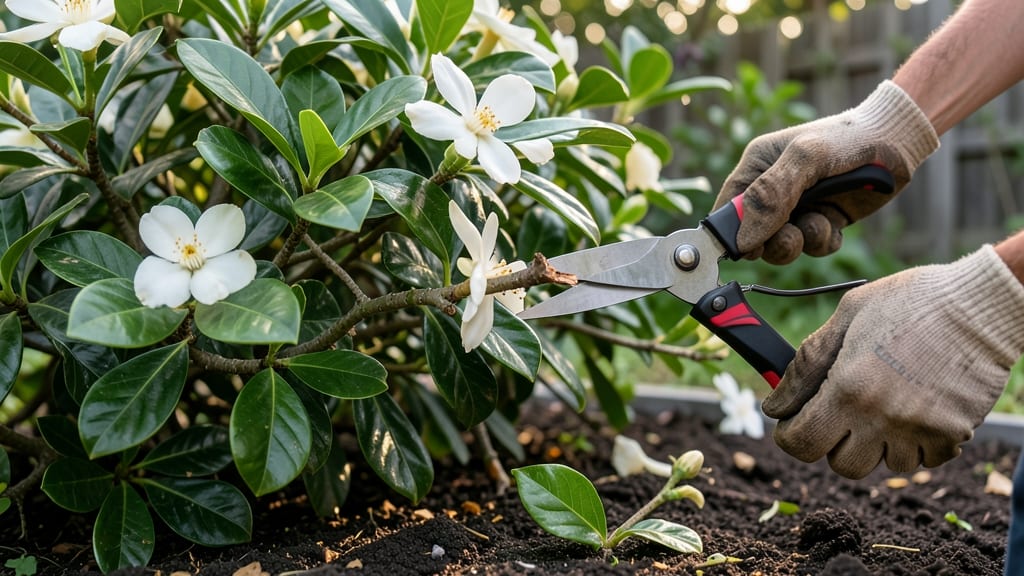
You can cut back gardenias by up to one-third of their height without harming them — the key is timing, technique, and knowing where to stop.
Struggling to keep your gardenias blooming beautifully? Pruning too much—or too little—can leave your plants stressed, sparse, or even dead. The right cuts at the right time encourage lush, fragrant blooms year after year.
Most gardenias thrive when you trim back old, leggy growth in late winter or early spring, just before new buds form. This isn’t just about aesthetics—it’s about redirecting energy to healthier stems and more flowers.
In this guide, I’ll walk you through the exact pruning rules, how to spot signs of over-pruning, and the simple steps to revive your gardenias while keeping them vibrant and full of life.
Safe pruning limits for gardenias: how far you can trim without damaging the plant
Pruning gardenias can transform your shrub from a leggy, sparse mess into a blooming powerhouse. But knowing how far you can cut back without shocking the plant is key. Gardenias are sensitive—over-pruning can kill them, while under-pruning leaves them crowded and weak.
The golden rule is the 1/3 rule: never remove more than one-third of the plant's foliage in a single session.
This rule applies to both height reduction and branch thinning. For mature gardenias, this means cutting back no more than 12-18 inches from the top of the tallest branches.
Younger plants or dwarf varieties need even gentler pruning—stick to 6-12 inches max to avoid stunting growth. The goal is to shape without stripping the plant of its energy reserves.
🌸
Branch-specific limits are just as important as overall height cuts. For thick, woody branches, never remove more than 20% of the plant's total branch network in one session.
Look for branches that are dead, diseased, or crossing—these should be your top priority for removal, regardless of the 1/3 rule. Healthy branches should have 2-3 leaf nodes remaining after your cut to support new growth.
Identifying safe cut points is easier than you think. Always prune just above a leaf node (the bump where leaves attach) that has 2-3 healthy buds. This ensures the plant has energy to regrow.
Avoid cutting flush to the ground—even mature gardenias need their lower branches to photosynthesize. For flowering branches, wait until after blooming season (late summer) to prune, as buds form on last year's growth.
🪴
Seasonal timing directly impacts how much you can safely prune. Spring pruning (right after blooms fade) is ideal for light shaping cuts—up to 15% of foliage. Summer pruning should be minimal (10% max) to avoid stressing the plant during peak blooming. Fall pruning is risky unless you're removing dead wood—gardenias need energy to prepare for winter.
The worst time to prune is late winter, when the plant is dormant and vulnerable.
Watch for signs of pruning shock after cutting: yellowing leaves, bud drop, or leggy new growth all mean you've pruned too aggressively. To recover, reduce watering slightly, apply a balanced fertilizer (10-10-10), and keep the plant in partial shade for 2-3 weeks.
With proper care, gardenias bounce back within 4-6 weeks, often producing even more blooms than before!
🌿
Pro tip: Use a sharp bypass pruner to make clean cuts that heal faster. Ragged cuts invite disease, so always sterilize your tools with rubbing alcohol between cuts. For large branches, make a notch cut first to guide your final cut—this prevents tearing the bark.
And remember: patience is key. Gardenias respond best to gradual pruning over multiple seasons rather than drastic cuts in one go.
Step-by-step pruning technique to encourage more blooms without sacrificing foliage
Pruning your gardenias correctly can transform a sparse shrub into a fragrant, blooming beauty—but timing and technique matter. The key is balancing bloom stimulation with foliage health, ensuring you never remove more than 1/3 of the plant's total growth in a single session.
Gardenias bloom on new wood, so strategic cuts encourage fresh growth while preserving existing leaves for photosynthesis.
Start by identifying dead or diseased branches—these should be removed first, regardless of season. Look for brown, mushy stems or branches without leaves. Next, focus on overcrowded areas where airflow is limited, as poor circulation invites fungal diseases like powdery mildew.
Shape your gardenia by thinning out weak, leggy growth to redirect energy toward stronger stems and more blooms.
How Far Can You Cut Back Gardenias?
-
Step 1: Remove Dead/Diseased Wood
Cut back any brown or mushy branches to the nearest healthy bud or stem. Use clean, sharp pruners to avoid tearing. -
Step 2: Thin Overcrowded Areas
Prune 1/3 of the oldest growth (usually outer branches) to improve air circulation. Aim for a rounded, open shape. -
Step 3: Shape for New Growth
Cut just above a leaf node (where new buds form) at a 45-degree angle. Avoid cutting into old wood past the first 2-3 years of growth. -
Step 4: Encourage Blooms
In late winter/early spring, prune spent blooms and weak stems to stimulate new floral buds. Never prune after June in most climates. -
Step 5: Post-Pruning Care
Apply balanced fertilizer (10-10-10) and mulch around the base to retain moisture. Water deeply in the morning to reduce stress.
Spring is the best time to prune gardenias, ideally after the last frost but before new growth begins. This timing allows the plant to recover before summer heat stress.
If you miss spring, a light pruning in early summer (before July) can still encourage blooms, but avoid heavy cuts—focus on deadheading spent flowers instead.
Watch for signs of over-pruning, like yellowing leaves or bud drop, which mean you’ve removed too much foliage. Gardenias are resilient but need at least 1/3 of their leaves to photosynthesize.
If you see new green growth within 4-6 weeks, your cuts were successful. For mature plants, limit pruning to 10-15% of the canopy per year to avoid shock.
Pro tip: Use sterilized pruners and seal cuts with pruning paste if your gardenia is in a humid climate to prevent bacterial infections. Pair pruning with regular watering (1-2 inches per week) and acidic soil amendments (like peat moss) to support recovery and blooming.
With the right technique, your gardenias will reward you with double the blooms next season—just remember: less is more. A little precision goes a long way in keeping these fragrant shrubs happy and healthy. 🌸✂️🌿