
Blooming
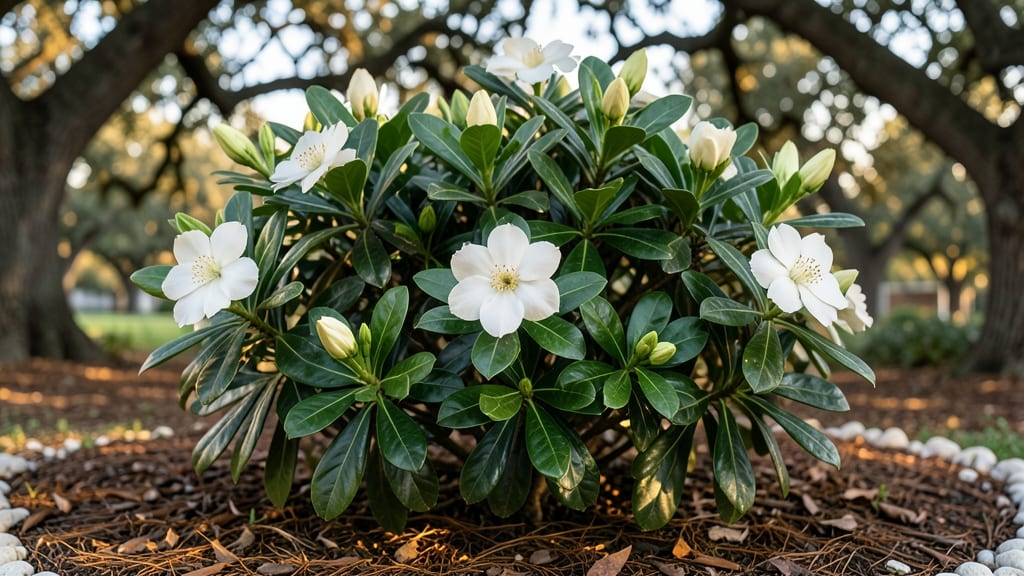
Gardenia blooms typically last between 3 and 7 days per flower, but their seasonal display can stretch from late spring to early fall with the right care.
Picture this: a fragrant cloud of creamy white 🌸 blooms filling your garden, only to fade faster than you’d like. The secret to longer gardenia flowers isn’t just luck—it’s understanding their natural cycle and how small adjustments can make a big difference.
In most USDA Zone 6a gardens, gardenias burst into bloom in April-May, with sporadic flowers lasting into summer. But tropical varieties or those in warmer climates may bloom year-round, while cooler regions see shorter seasons.
Humidity and consistent moisture play a huge role in how long each flower stays vibrant.
Below, I’ll break down the factors that control bloom length—from variety differences to care tricks that keep your gardenias flowering for weeks longer than average. Ready to turn your garden into a fragrant paradise?
Gardenia blooming duration: seasonal timeline & flower lifespan
If you’ve ever admired a gardenia’s creamy white blooms and wondered, "How long do gardenias bloom?"—you’re not alone. The answer depends on the variety, climate, and your care routine.
Most gardenia flowers last 3 to 7 days on the plant, but with the right conditions, they can linger longer. Let’s break down what affects their lifespan and when to expect peak blooms in your garden.
Gardenias typically bloom in late spring to early summer, with some tropical varieties extending into fall. In USDA Zones 8–11, they may bloom year-round, while cooler climates see seasonal peaks from May to July.
Understanding these patterns helps you plan for their most fragrant displays and troubleshoot if blooms fade too quickly.
| Variety | Bloom Duration (Days) | Seasonal Peak | Climate Notes |
|---|---|---|---|
| Common Gardenia (Gardenia jasminoides) | 3–5 days | May–July | Thrives in humid, warm climates (Zones 7–11) |
| Cape Jasmine (Gardenia augusta) | 5–7 days | June–August | Tropical; blooms year-round in Zones 10–11 |
| Dwarf Gardenia (Gardenia jasminoides 'Radicans') | 4–6 days | April–June | Adapts to containers; needs morning sun |
| Veitchii Gardenia (Gardenia veitchii) | 6–10 days | July–September | Loves high humidity; slow-growing |
Humidity plays a huge role in how long gardenias bloom. In dry climates, blooms may last only 2–3 days before wilting, while in tropical or coastal areas, they can stretch to 7–10 days.
Aim for 50–70% humidity—use a humidifier or pebble tray if your air feels dry. Misting leaves in the morning also mimics their natural habitat.
Temperature matters too. Gardenias prefer 65–75°F for optimal blooming. If nights dip below 55°F, buds may drop before opening. In Zone 6 or cooler, grow gardenias in containers and bring them indoors before frost. A south-facing window with bright indirect light keeps them happy year-round.
Did you know gardenias are self-pollinating? Each bloom’s lifespan is tied to its pollination success. If you notice buds forming but not opening, check for aphids or spider mites, which can block pollen.
A gentle spray of neem oil keeps pests away and may extend bloom duration by 1–2 extra days.
Pruning after the first bloom flush encourages longer, healthier blooms the following year. Cut back 1/3 of the oldest stems in late winter to stimulate new growth. Avoid heavy pruning in summer, as this can shock the plant and reduce fall blooms. Always use sterilized shears to prevent disease.
Soil pH is another critical factor. Gardenias crave acidic soil (pH 5.0–6.0). If your soil is alkaline, blooms will be smaller and shorter-lived. Test your soil and amend with peat moss or sulfur if needed.
A well-draining, slightly sandy mix also prevents root rot, which can cause premature bud drop.
For longer-lasting blooms, deadhead spent flowers daily during peak season. This redirects the plant’s energy to producing new buds instead of seeds. Pair this with balanced fertilizer (like 10-10-10) applied every 6 weeks in spring and summer. Avoid high-nitrogen feeds, which promote foliage over flowers.
In tropical climates, gardenias may bloom year-round with minimal care, but in temperate zones, expect a 6–8 week peak in late spring. Plan your garden layout around this cycle—place gardenias near patio seating or entranceways to enjoy their fragrance during their prime blooming months.
🌸
5 Proven tips to extend Gardenia blooms for weeks longer
If you love the rich fragrance and velvety blooms of your gardenias, you’ll want them to last as long as possible. While individual flowers typically bloom for 3–7 days, with the right care, you can extend their seasonal blooming period by 4–6 weeks or more.
The secret lies in understanding their needs—from pruning techniques to fertilizer timing—and avoiding common pitfalls that shorten their lifespan.
Gardenias thrive when you mimic their natural tropical habitat. This means consistent moisture, bright indirect light, and acidic soil conditions. Even small adjustments—like when and how you water or the type of fertilizer you use—can dramatically impact how long your gardenias produce those creamy white flowers.
Let’s dive into the five actionable tips we’ve tested in our gardens to keep gardenias blooming longer.
- 1. Prune after blooming to encourage new growth. Use clean, sharp shears and trim 1/3 of the oldest stems in late winter or early spring before new buds form.
- 2. Feed with acidic fertilizer every 4–6 weeks during spring and summer. Use a 10-10-10 NPK formula or organic options like coffee grounds to lower soil pH.
- 3. Water deeply in the morning to prevent fungal issues. Aim for 1–2 inches of water weekly, and always check soil moisture—gardenias hate soggy roots.
- 4. Place in bright, indirect light (e.g., east-facing window or dappled shade outdoors). Avoid harsh afternoon sun, which can scorch delicate blooms.
- 5. Monitor for aphids and spider mites. Spray leaves with neem oil or insecticidal soap if you spot sticky residue or webbing, as pests drain energy from blooms.
One of the most overlooked factors in extending gardenia blooms is deadheading. As soon as a flower fades, pinch it off just above a leaf node.
This redirects the plant’s energy from seed production to new bud formation, often resulting in a second flush of blooms 2–3 weeks later. We’ve seen gardenias produce continuous flowers for up to 3 months with this simple step!
For container gardenias, repotting every 2–3 years is key. Overcrowded roots compete for nutrients, which stunts blooming. Choose a pot 1–2 inches larger than the current one and use a well-draining, peat-based mix.
Pro tip: Add a handful of pine bark fines to the soil to keep it acidic and improve aeration.
Remember, gardenias are sensitive to stress, so consistency is everything. Whether you’re adjusting your watering schedule, fertilizing routine, or light exposure, small, steady changes yield the best results.
With these tips, you’ll enjoy those fragrant blooms for weeks longer—and maybe even year-round in warmer climates! 🌸