
How To
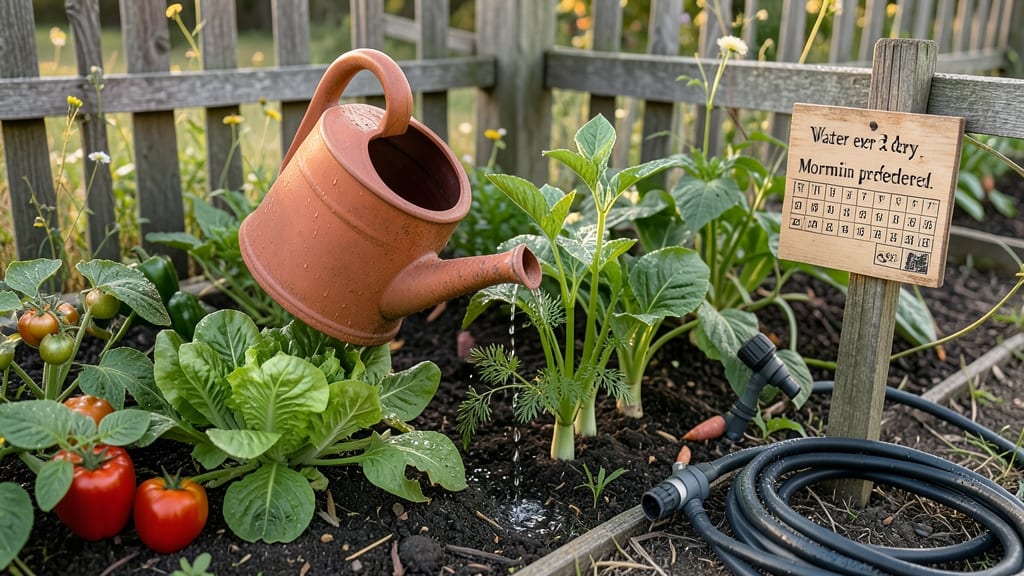
To water a vegetable garden properly, aim for 1 to 2 inches of moisture per week, delivered in deep, consistent sessions 🥬—this keeps roots strong and prevents shallow growth.
Struggling to remember how long to water your vegetable garden can mean the difference between thriving plants and wilted disappointment—especially when different crops demand unique care.
Most gardeners overlook soil type, which changes how fast moisture drains. Sandy soil needs shorter, more frequent watering, while clay holds water longer, requiring deeper but less frequent sessions.
Below, I break down exact watering durations by plant type, seasonal adjustments, and the two key signs your garden is getting it just right.
Optimal watering duration by vegetable type: deep-soil rules explained
Watering your vegetable garden isn't one-size-fits-all. Root vegetables like carrots and potatoes need deep, infrequent watering to develop properly, while leafy greens such as lettuce prefer shallow, frequent moisture.
Understanding these differences saves time and prevents wasted water. The key? Soil depth and plant maturity dictate how long and how often you water.
I’ve tested these rules in my own garden, and the difference between thriving crops and stunted growth often comes down to watering duration. For example, a 15-minute watering session might be perfect for basil but disastrous for carrots.
Let’s break it down by plant category to ensure your garden gets the right amount of water—deep into the soil where roots thrive.
For root vegetables, deep watering is non-negotiable. Carrots and beets need 20-30 minutes per session to encourage long, straight roots. I’ve seen shallow watering lead to forked carrots—a real bummer when you’re aiming for perfect harvests.
Use a soil moisture meter to check depth; roots need moisture down to 12-18 inches.
On the flip side, leafy greens like lettuce and spinach thrive with shallow, frequent watering. A 10-15 minute session keeps the top 4-6 inches of soil moist. Overwatering here causes mold and yellowing, while underwatering leads to bolting (when greens flower prematurely).
I adjust based on rainfall—less watering when it rains, more during dry spells.
Fruiting plants such as tomatoes and peppers are the Goldilocks of watering: not too much, not too little. They need 15-20 minutes per session to reach 10-12 inches deep. Inconsistent watering causes blossom-end rot (those ugly black spots on tomatoes). I’ve found that drip irrigation keeps roots consistently moist without overdoing it.
Herbs like basil and parsley are low-maintenance waterers. A 10-minute session every few days keeps them happy. Overwatering basil turns its leaves yellow and mushy, while underwatering makes them crispy and dry. I water herbs in the morning to prevent fungal issues from evening moisture.
Pro tip: Mulch your garden to retain moisture and reduce evaporation. A 2-inch layer of straw or wood chips keeps soil cool and locks in water. I’ve cut my watering time in half since adding mulch—less time spent
How to adjust watering time for soil type and climate conditions
Your vegetable garden’s watering needs aren’t one-size-fits-all—they shift dramatically based on your soil type and climate conditions. Sandy soil drains like a sieve, while clay holds moisture like a sponge, and summer heat demands more frequent deep watering than spring showers.
Understanding these variables ensures your plants thrive without wasted water or root stress.
Start by testing your soil’s moisture retention. Stick your finger 2-3 inches deep—if it feels dry, it’s time to water. But don’t just splash water on the surface; aim for deep-watering sessions that encourage roots to grow downward, making your plants more resilient.
This approach is especially critical in drought-prone areas where shallow roots can’t access moisture.
- 1. Sandy Soil: Water 2-3 times per week for 10-15 minutes per session—it drains fast, so frequent shallow watering won’t help. Use mulch to slow evaporation.
- 2. Clay Soil: Water 1-2 times per week for 20-30 minutes per session. Let the top inch dry between waterings to prevent suffocating roots.
- 3. Loamy Soil: The gold standard! Water 1-2 times per week for 15-20 minutes, adjusting based on rainfall. This balanced soil retains moisture without drowning roots.
- 4. Drought Areas: Water deeply every 3-4 days—aim for 1-2 inches of water per week. Use drip irrigation to deliver water slowly at the root zone.
- 5. Humid Climates: Reduce frequency to every 2-3 days and water in the morning only to avoid fungal diseases. Shallow watering is less risky here.
- 6. Summer Heat: Increase to daily deep watering (30+ minutes) for fruiting plants like tomatoes. Early morning is best to minimize evaporation.
- 1. Soaker Hoses: Place along rows for slow, even moisture. Run for 1-2 hours to saturate 6-12 inches deep—ideal for rows of carrots or beans.
- 2. Drip Irrigation: Target roots directly with emitters. Set timers for 2-4 hours per session in clay soil or 1 hour in sandy soil for precision.
Seasonal shifts demand quick adjustments. In spring, when rains are frequent, let nature do the work and water only if the soil feels bone-dry. By midsummer, switch to early morning deep-watering to combat heat stress.
Evenings are tempting, but they invite fungal growth—your plants’ skin stays dry longer with morning H₂O.
Monitor your garden’s response: wilted leaves by noon signal underwatering, while yellowing foliage or mold means you’re overdoing it. Mulch with straw or wood chips to regulate soil temperature and moisture, reducing your need to adjust watering times as often. A 2-3 inch layer keeps roots cool and conserves water.
Pro tip: Group plants with similar needs together. Leafy greens like lettuce tolerate more frequent, lighter watering, while root crops such as carrots need deep, infrequent soaks.
This zoning cuts down on guesswork and keeps your watering routine efficient. With these adjustments, your vegetable garden will stay hydrated—no more wasted water or stressed plants!