
Watering
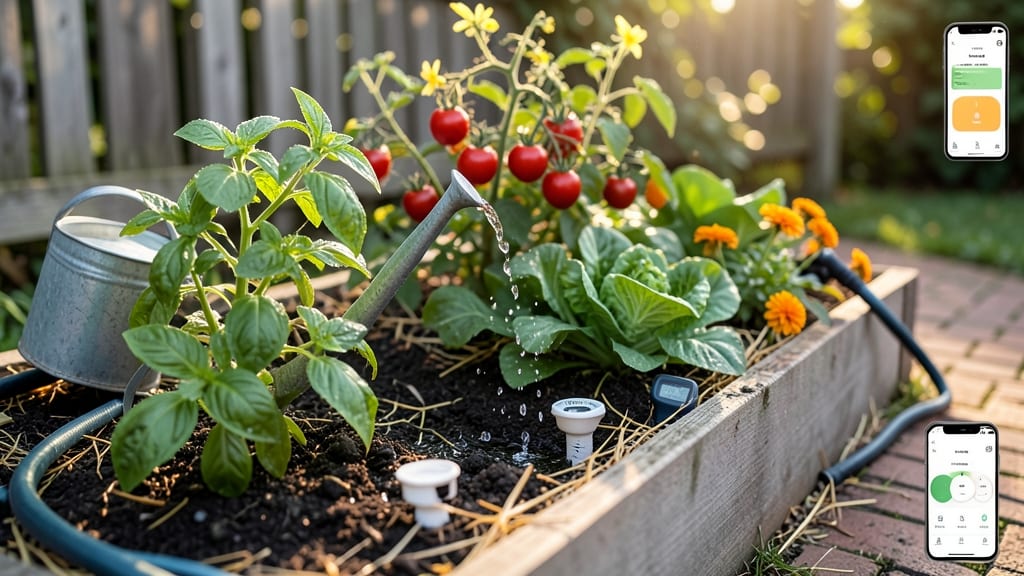
To water your garden properly, you’ll need to adjust frequency based on soil type, plant needs, and weather—because skipping this step can mean the difference between a lush harvest and a struggling plot.
Overwatering or underwatering your garden can turn your green oasis into a sad, wilted mess—here’s the science-backed watering schedule that keeps plants thriving without wasting a drop.
Most gardeners guess, but the truth is that 1 inch of water per week is a starting point—until you factor in sandy soil (which drains fast) or clay (which holds moisture). I’ll show you how to test your soil and tweak your routine for USDA Zone 6a and beyond.
By the end, you’ll know exactly when to water vegetables, flowers, and shrubs—plus how to spot thirsty plants before they beg for help. Let’s make your watering routine work smarter, not harder.
The perfect watering schedule by plant type and climate Zone
Watering your garden isn’t a one-size-fits-all task—it’s a delicate balance between giving plants enough hydration and avoiding soggy roots. The frequency depends on plant type, climate zone, and even soil composition.
For example, tomatoes in Zone 9 need daily watering in summer, while lavender in Zone 5 thrives on weekly deep soaks. Let’s break it down so you can tailor your watering routine like a pro.
First, understand that climate zones play a huge role. In arid regions like the Southwest, plants often need deep, infrequent watering to encourage strong root growth. Meanwhile, humid climates in the Southeast may require lighter, more frequent watering to prevent fungal diseases.
Even within the same zone, soil type matters—sandy soil drains quickly, while clay soil holds moisture longer. Always adjust based on your garden’s unique conditions.
Before diving into schedules, test your soil’s moisture level. Stick your finger 1-2 inches deep—if it feels dry, it’s time to water. For container plants, check daily since they dry out faster.
Pro tip: Use a moisture meter for accuracy, especially if you’re new to gardening. This simple tool saves time and prevents guesswork, ensuring your plants get just the right amount of water.
Now, let’s tackle the comparison table to visualize watering needs by plant type and climate. This will help you quickly reference what works best for your garden’s layout and conditions.
For vegetables, consistency is key. Plants like tomatoes and peppers need 1-2 inches of water per week, but in arid climates, you may need to water daily during peak heat.
In temperate zones, reduce to every 2-3 days to avoid fungal issues. Always water at the base of the plant to keep leaves dry, which prevents diseases like powdery mildew.
When it comes to flowers, lavender and roses are drought-tolerant but still need regular watering. In humid climates, focus on light, frequent watering to mimic natural rainfall. For shrubs, deep watering once
Signs your garden needs water (and when to hold back)
Your plants are like your garden’s silent storytellers—they reveal their water needs through subtle (and not-so-subtle) cues. Wilting leaves, dry soil, or yellowing foliage are classic signals your garden is thirsty, but overwatering can be just as damaging.
Learning to read these signs helps you strike the perfect balance, ensuring your tomatoes, roses, and herbs stay hydrated without drowning in soggy roots.
Before reaching for your hose, check the soil moisture and leaf texture. A quick visual inspection can save you from both underwatering (which stunts growth) and overwatering (which invites root rot).
For example, crispy leaf edges or drooping stems scream for hydration, while mushy stems or yellowing leaves mean you’ve gone overboard. The key is observing these clues and acting fast—before your plants throw in the towel.
💧 How Often Do I Need to Water My Garden?
1-2 inches/week
1 inch/week
Deep soak 1-2x/week
Every 2-3 days
Pro Tip: Adjust for climate and soil type—sandy soil dries faster than clay. Always water deeply to encourage strong roots.
Mastering the finger test is your secret weapon for nailing soil moisture. Stick your index finger about 1 inch deep into the soil—if it feels dry, it’s time to water. For container gardens, lift the pot: if it’s light, your plants are parched.
This tactile check beats guessing and ensures you’re watering based on real-time needs, not just a calendar.
Don’t ignore the underneath of leaves—they’re a goldmine of clues. Curling or browning leaf edges often mean your plants are thirsty, while yellowing between veins could signal overwatering. Pay attention to new growth too: if it’s slow or stunted, your plants might be struggling to absorb moisture.
Adjust your watering routine based on these visual cues to keep your garden lush and healthy.
Seasonal shifts demand a watering makeover. In summer’s heat, you’ll need to water daily or every other day, while spring and fall might only require weekly deep watering. Winter watering should be minimal—just enough to keep roots from drying out.
Observe your garden’s rhythm and adapt: a mulch layer can reduce evaporation, cutting back on your watering chores.
Overwatering is sneaky—mushy stems, fungal spots, or pests like slugs often tag along. If your soil smells sour or feels waterlogged, hold off on watering and let it dry out.
The goal is consistent moisture, not a swampy playground. When in doubt, dig a little deeper: healthy roots should be white or light tan, not gray or mushy.