
Fertilization
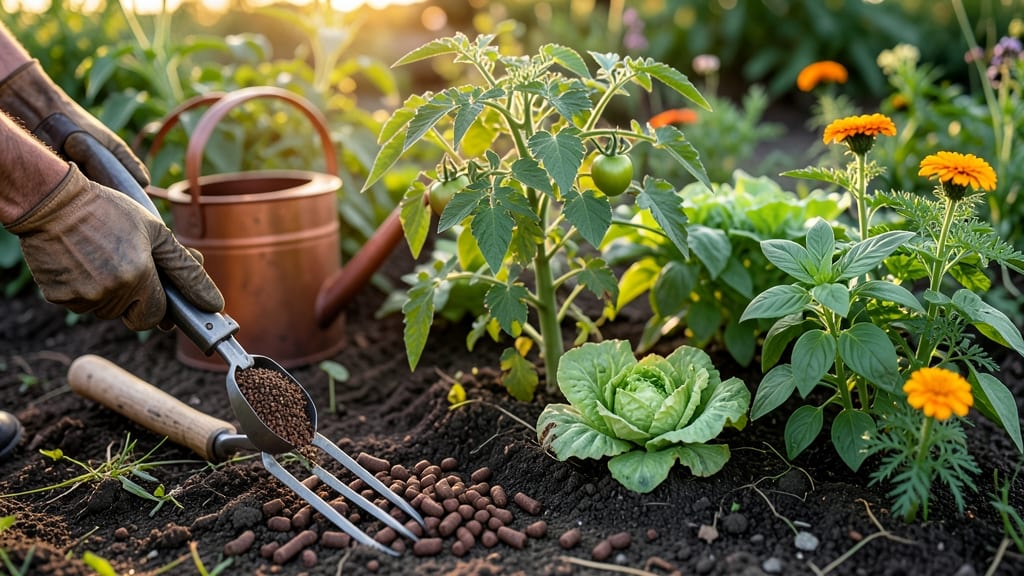
Fertilizing your garden too often or too little can leave your plants struggling—so timing is everything, and the right schedule depends on soil tests, not guesswork.
Picture this: you’ve spent weeks nurturing your 🌱 spring seedlings, only to watch them wilt after a heavy feed. Or maybe your tomatoes burst with flavor one year but fizzle the next. The difference? A data-driven fertilization plan that matches your soil’s needs—not a one-size-fits-all rule.
Below, I’ll break down how often to fertilize based on your soil’s nutrient levels, plant types, and even the season.
You’ll learn when to feed vegetables for maximum yield, how to spot over-fertilization (leaf burn is a dead giveaway), and why synthetic and organic fertilizers play different roles in your schedule.
Ready to stop wasting fertilizer and grow a thriving garden? Let’s dive into the science—and the simple steps—to keep your plants happy all season long.

Soil test results decode: how often to fertilize by nutrient levels
Your soil test results reveal the true health of your garden's foundation. Unlike guesswork, these numbers tell you exactly how often to fertilize based on your soil's nutrient deficiencies or excesses. The NPK ratio (nitrogen, phosphorus, potassium) and organic matter percentage are your roadmap to perfect timing.
Nitrogen (N) fuels leafy growth, phosphorus (P) strengthens roots and flowers, and potassium (K) boosts disease resistance. But too much of any can burn roots or pollute groundwater. The key is balancing these nutrients with precise application intervals tailored to your soil's current state.
Here's the decoding guide for your soil test results, including how organic matter percentages adjust your fertilization schedule. Use this as your personalized calendar for feeding your garden.
| Nutrient Level | Organic Matter (%) | Fertilization Frequency | Recommended Action |
|---|---|---|---|
| Low Nitrogen (<50 ppm) | <5% | Every 3-4 weeks (spring-fall) | Use high-nitrogen fertilizer (e.g., 20-5-5) + compost tea |
| Medium Nitrogen (50-100 ppm) | 5-10% | Every 4-6 weeks | Balanced 10-10-10 or organic options like fish emulsion |
| High Nitrogen (>100 ppm) | >10% | Every 8-12 weeks (or skip) | Reduce nitrogen; focus on P/K (5-10-10) to correct imbalance |
| Low Phosphorus (<20 ppm) | <3% | Every 6-8 weeks (spring) | Bone meal or rock phosphate at planting + light applications |
| Medium Phosphorus (20-50 ppm) | 3-6% | Every 8-12 weeks | Standard P-rich fertilizer (e.g., 5-20-10) 1-2x/year |
| High Phosphorus (>50 ppm) | >6% | Skip (unless testing shows deficiency) | Amend soil with sulfur or sand to reduce buildup |
| Low Potassium (<100 ppm) | <2% | Every 4-6 weeks (summer) | Wood ash or potassium sulfate (0-0-50) applications |
| Medium Potassium (100-200 ppm) | 2-5% | Every 6-8 weeks | Balanced K-rich fertilizer (e.g., 5-5-10) or banana peel tea |
| High Potassium (>200 ppm) | >5% | Skip (unless deficiency appears) | Flush soil with rainwater to leach excess |
Your soil's organic matter percentage also dictates how often you should fertilize. Soils with less than 3% organic matter need more frequent feeding (every 3-4 weeks) because nutrients deplete faster. Aim to build organic matter to 5-10% by amending with compost or aged manure—this extends time between fertilizations.
For example, if your garden soil tests low in nitrogen (40 ppm) but has 8% organic matter, you can stretch fertilizations to every 5 weeks instead of every 3. The organic matter acts like a slow-release reservoir, reducing how often you need to apply synthetic or organic fertilizers.
Seasonal adjustments are critical. In spring and early summer, when plants grow most vigorously, you'll fertilize more frequently (every 4-6 weeks). But in late summer and fall, reduce frequency to every 8-12 weeks to avoid encouraging tender new growth before winter.
Watch for visual cues that confirm your schedule is working. Healthy leafy green growth (nitrogen), strong root systems (phosphorus), and disease-resistant plants (potassium) mean you're on track. If you notice yellowing leaves (nitrogen deficiency) or purple stems (phosphorus deficiency), adjust your timing or nutrient ratios immediately.
Pro tip: Slow-release fertilizers (like organic pellets or compost) let you fertilize less often (every 8-12 weeks) because they break down gradually. Pair these with liquid feeds (like fish emulsion) for a balanced approach that matches your soil test results.
Remember, soil tests change yearly—retest every 2-3 years or after major amendments. Your garden's needs evolve, and so should your fertilization schedule. By decoding your soil test results, you'll eliminate waste, prevent burnout, and give your plants exactly what they need, when they need it.
Plant-specific fertilization schedules: when to feed based on growth stages
Fertilizing your garden isn't a one-size-fits-all task—it's a growth-stage dance between your plants and the nutrients they crave. Vegetables like tomatoes need frequent feeding during fruiting, while perennial shrubs thrive on slow, seasonal releases.
The key? Timing that matches their natural cycles, not just a calendar. Spring's flush of growth demands more frequent feeding, but summer's heat often slows nutrient uptake, requiring adjustments.
Seasonal shifts also play a critical role. Cool-season crops like spinach benefit from early spring and fall fertilization, while warm-season plants such as peppers peak in summer. Even flowers have distinct needs—annuals like marigolds need consistent feeding, while perennials like lavender prefer minimal, targeted doses.
Understanding these rhythms ensures your garden gets exactly what it needs, when it needs it.
Fast-release fertilizers like liquid feeds or granules deliver an immediate nutrient boost, perfect for heavy feeders such as tomatoes or peppers during their fruiting stage. These should be applied every 3-4 weeks in spring and summer, but reduced in fall.
In contrast, slow-release fertilizers—like coated granules or organic matter—provide steady nutrition over months, ideal for perennials and shrubs. They require less frequent applications, typically every 8-12 weeks, making them low-maintenance for busy gardeners.
For vegetables, focus on nitrogen-heavy feeds during early growth and switch to phosphorus-potassium blends as they fruit. Flowers benefit from phosphorus-rich fertilizers when buds form, while shrubs prefer balanced, slow-release options to avoid root burn.
Always adjust for seasonal conditions—reduce feeding during drought or extreme heat, as plants absorb nutrients less efficiently. A simple soil test every few years ensures you're not overcorrecting with nutrients your plants already have in abundance.
Pro tip: Pair your fertilization schedule with mulching to retain moisture and slowly release nutrients. For example, a layer of compost around your tomato plants in spring provides a steady supply of nutrients while reducing watering needs.
This dual approach mimics nature's efficiency, giving your garden the perfect balance of care without the guesswork.
Remember, the goal isn't to feed your plants as much as possible, but to meet their specific needs at each stage. Overfeeding can lead to leaf burn or excessive foliage at the expense of fruits, while underfeeding stunts growth.
By aligning your fertilization with your plants' natural rhythms, you'll enjoy healthier, more productive gardens with minimal effort—and fewer wasted nutrients.