
How To
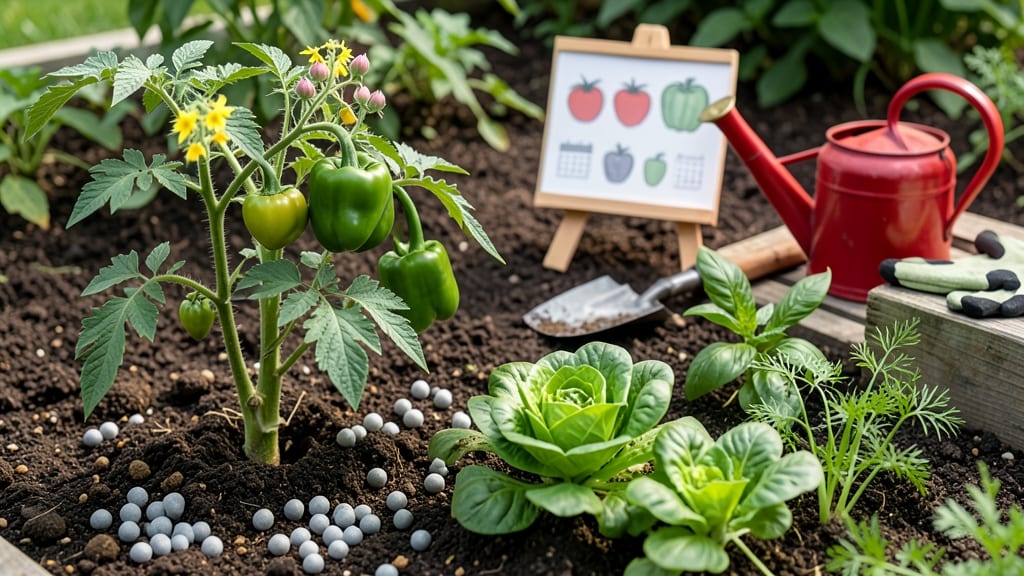
To fertilize a vegetable garden effectively, you’ll need a schedule that matches your plants’ growth stages—whether it’s leafy greens, fruiting tomatoes, or root crops like carrots 🥕.
Struggling to keep your vegetable garden thriving? The secret isn’t just what you fertilize with—but when. Over- or under-fertilizing can ruin your harvest, but a precise seasonal schedule unlocks explosive growth and flavor.
Most gardeners feed their veggies every 4-6 weeks during the growing season, but the timing shifts for spring starts, summer blooms, and fall crops. A balanced 10-10-10 NPK mix works for general use, but leafy greens need more nitrogen early on, while fruiting plants benefit from phosphorus later.
Below, I’ll break down the exact schedule by plant type, how to spot over- or under-fertilizing, and when to dial it back—so you avoid wasted fertilizer and maximize your harvest.

Seasonal fertilizing schedule for vegetable gardens by plant type
Fertilizing your vegetable garden isn’t a one-size-fits-all task—different plants need nutrients at specific growth stages. Root crops like carrots thrive with low-nitrogen feeds early on, while fruiting plants such as tomatoes demand phosphorus-heavy boosts when flowering.
Timing matters just as much as the fertilizer type, and organic options like compost tea or synthetic blends like 10-10-10 NPK serve distinct roles. Let’s break down the month-by-month schedule tailored to your garden’s needs.
Start by testing your soil in early spring to identify deficiencies. Most vegetables benefit from pre-planting fertilization (March–April in most zones), followed by mid-season top-ups (June–August). Herbs and leafy greens often need less frequent feeding than heavy feeders like peppers or squash.
Below, we’ll cover the ideal timing for four key plant categories, plus adjustments for organic vs. synthetic fertilizers.
| Plant Type | Growth Stage | Fertilizer Type | Frequency | Best Months |
|---|---|---|---|---|
| Root Crops (carrots, beets, potatoes) | Pre-planting | Balanced (5-10-10) or compost | Once | March–April |
| Root Crops | Harvest phase | None (avoid nitrogen) | — | June–October |
| Leafy Greens (lettuce, spinach, kale) | Active growth | High-nitrogen (10-5-5) or fish emulsion | Every 3–4 weeks | April–September |
| Fruiting Plants (tomatoes, peppers, cucumbers) | Flowering | Phosphorus-rich (5-10-5) or bone meal | Every 2–3 weeks | May–August |
| Herbs (basil, cilantro, parsley) | Early growth | Low-nitrogen (5-5-5) or worm castings | Every 6–8 weeks | April–July |
| All Plants | Fall cleanup | Compost or aged manure | Once (October) | October–November |
🌱 Organic options like compost or fish emulsion release nutrients slower; synthetics act faster.
For root crops, focus on pre-planting fertilization with a balanced mix like 5-10-10. Too much nitrogen later can cause forked carrots or knobby potatoes.
Instead, side-dress with compost when leaves emerge. Leafy greens love nitrogen but can bolt in heat—feed them every 3–4 weeks with fish emulsion or a 10-5-5 blend to keep them lush without flowering too soon.
When it comes to fruiting plants, timing is critical. Start with a phosphorus boost (like bone meal) when you see flowers, then switch to a potassium-rich fertilizer (5-5-10) as fruits develop.
Tomatoes, for example, need weekly feeding during their peak fruiting phase (July–August). Herbs, on the other hand, prefer gentle, infrequent feeding—over-fertilizing basil will make the leaves taste bitter.
Organic fertilizers like compost or worm castings release nutrients gradually, making them ideal for slow-release feeding throughout the season. Synthetic fertilizers, however, provide an immediate boost—perfect for correcting deficiencies mid-season.
For example, if your peppers’ leaves turn yellow (a sign of nitrogen deficiency), a quick dose of synthetic 10-5-5 can revive them in days. Always water thoroughly after applying synthetic fertilizers to prevent root burn.
Adjust your schedule based on your local climate. In cooler zones (USDA 3–5), start fertilizing in late April and stop by early September. Warmer zones (USDA 8–10) can extend feeding until October.
Always pause fertilization 4–6 weeks before frost to avoid tender new growth. Mulch heavily in fall to protect soil microbes and nutrients for next season.
Pro tip: Keep a garden journal to track which fertilizers work best for your soil. Note the color of your plants (dark green = healthy; pale = deficient) and adjust accordingly. For instance, if your kale turns purple, it’s craving phosphorus—switch to a 5-10-5 blend next feeding.
Remember, less is often more. Over-fertilizing leads to burnt roots, bitter flavors, and wasted money. Stick to the schedule, monitor your plants closely, and you’ll harvest vib
Signs your vegetable garden needs fertilizer (and when to stop)
Your vegetable garden might be silently screaming for nutrients without you realizing it. Yellowing leaves, stunted growth, or weak stems are classic red flags that your plants are hungry.
But here’s the catch: too much fertilizer can be just as harmful, causing burnt edges on leaves or even bitter-tasting produce. The key is learning to read your plants’ signals—and knowing when to hit pause.
First, check the leaf color. Healthy tomatoes or peppers should have deep green leaves. If they’re pale yellow (especially older leaves), it’s often a nitrogen deficiency. For leafy greens like lettuce, purple stems or slow growth mean phosphorus is lacking.
Meanwhile, brown leaf tips or crispy edges? That’s your cue to cut back on fertilizer—you’ve overdone it.
Most vegetable plants thrive with fertilizer every 4-6 weeks during the growing season (spring to early fall). However, root crops (like carrots) need less frequent feeding, while heavy feeders (like tomatoes) benefit from monthly applications. Always follow the package instructions and adjust based on your soil’s health.
🌱 Pro Tip: Split applications into light doses—heavy doses can burn roots.
If your tomatoes or peppers are producing small, misshapen fruits or bitter flavors, over-fertilizing is likely the culprit. Too much nitrogen leads to lush foliage but fewer fruits.
To reset, flush the soil with water (1-2 inches) to leach excess salts, then switch to a balanced fertilizer (like 10-10-10) or compost tea to gently restore nutrients without shocking the plants.
Don’t ignore stunted growth in leafy greens or herbs. If your basil or kale grows slowly despite plenty of sun and water, it’s time to feed. Use a low-nitrogen fertilizer (like 5-5-5) to avoid overpowering tender leaves.
For root vegetables, stop fertilizing 4-6 weeks before harvest—excess nutrients can make them woody or bitter.
For over-fertilized soil, mix in organic matter like compost or aged manure to dilute salts and improve structure. Avoid synthetic fertilizers until the soil recovers, and consider testing your soil pH—ideal levels for most veggies are 6.0–7.0.
If your soil is too acidic (pH < 6.0), add lime; if it’s alkaline (pH > 7.0), use sulfur to balance it.
Remember: Less is more when it comes to fertilizing. Start with a soil test to understand your garden’s baseline, and always water deeply after fertilizing to help nutrients reach the roots. Pay attention to your plants—they’ll tell you exactly what they need!