
How To
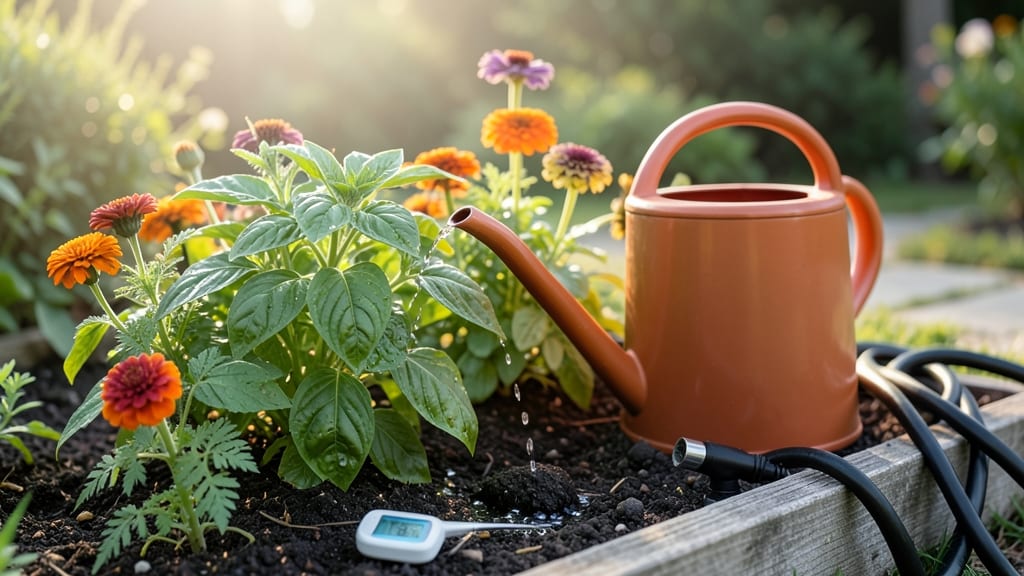
Watering your garden the right way means knowing how often to water—not just guessing, but following a schedule that matches your plants' needs and your climate.
Struggling to keep your garden thriving? Overwatering or underwatering can silently kill your plants—yet most gardeners guess instead of following science-backed schedules. Here’s the exact watering frequency your 🌱 General Garden plants actually need, broken down by type and soil conditions.
Think about it: too little water, and your plants wilt; too much, and roots suffocate. The difference between a thriving garden and a struggling one often comes down to timing.
Whether you're a beginner or a seasoned gardener, this guide will help you master the art of watering for stronger, healthier plants.
You’ll learn how to adjust watering based on plant type, soil, and weather—plus spot the warning signs of over- or under-watering before it’s too late. No more guesswork, just results.
Watering frequency by plant type: a science-backed schedule
Most gardeners overcomplicate watering schedules, but the truth is simpler: your plants’ root depth and climate zone determine their thirst. Deep-rooted perennials like lavender need deep watering every 7-10 days, while shallow-rooted lettuce demands daily moisture in summer.
Below, I’ve broken down science-backed intervals for common garden plants, accounting for USDA zones 5-9 and seasonal shifts.
Key rule: Always water deeply (1-2 inches) to encourage strong roots—shallow sprinkles just top-dress soil and create weak, thirsty plants. Use a moisture meter or your finger to check: stick 1 inch deep—if dry, it’s time to water. This method works for 90% of garden plants and eliminates guesswork.
Pro tip: Morning watering (6-9 AM) is ideal—it reduces evaporation and fungal risks. Avoid evening water, which lingers on leaves and invites powdery mildew or root rot. For container plants, daily checks are essential since they dry out faster than in-ground varieties.
Seasonal adjustments are critical: In summer, increase frequency by 30-50% due to higher evaporation, while winter watering drops to bi-weekly (or less for evergreens). For example, tomatoes need daily deep watering in July but only weekly in September. Mulch (2-3 inches of straw or wood chips) retains moisture and cuts watering needs by 30-40%.
Container plants dry out fastest—check soil moisture daily in summer. Use self-watering pots or drip irrigation to maintain consistency. Avoid overhead sprinklers, which waste water and spread disease. Instead, water at the base with a soaker hose or drip system for 90% efficiency.
Climate zones matter: In Zone 9+, water 20% more frequently than Zone 5 due to year-round heat. For instance, roses in Arizona need daily watering in summer, while those in Maine thrive on weekly deep soaks. Always monitor leaf color: Yellowing = overwatering; Wilting = underwatering. Adjust based on weather forecasts—skip watering if rain is predicted.
New plants (transplants or seedlings) need extra attention: Water every 2 days for the first 2 weeks to help roots establish. Root-bound plants (like herbs in small pots) dry out faster—upgrade containers or divide roots if growth stalls. Evergreens (e.g., pine trees) have shallow root systems and need consistent moisture year-round, unlike deciduous trees.
Test your soil’s moisture-holding capacity: Dig a 6-inch hole, fill it with water, and time how long it takes to drain. Sandy soil drains in 10-30 minutes; clay soil holds water for hours. Adjust your schedule accordingly—sandy gardens need more frequent, lighter water
How to adjust watering based on soil type and weather
Your garden’s soil type and current weather are the two biggest factors in determining how often to water. Sandy soil drains too quickly, while clay holds moisture like a sponge.
Meanwhile, heatwaves, humidity, and rain can change evaporation rates overnight. Let’s break down how to adjust your watering schedule for both conditions—so you never guess again.
First, identify your soil type. Dig a small hole (6 inches deep) and feel the texture. If it feels gritty and falls apart easily, you’ve got sandy soil. If it’s sticky when wet and hard when dry, it’s clay soil.
Loamy soil (the ideal mix) holds moisture without staying soggy. Knowing this helps you avoid drowning delicate roots or leaving plants parched.
⚠️ Warning: Overwatering Kills More Than Underwatering!
Most gardeners overestimate how much their plants drink. Sandy soil needs frequent, shallow watering (every 1-2 days), while clay soil can go 5-7 days between deep soaks. Heatwaves double evaporation rates—water morning or evening to prevent fungal growth. Skip watering if rain delivers 1 inch or more in 24 hours.
Pro Tip: Use the finger test—stick your finger 1 inch into soil. If it’s dry, water. If damp, wait.
For sandy soil, water lightly but often. This soil drains water faster than a sieve, so plants like tomatoes or peppers may need watering daily in summer.
Use drip irrigation or soaker hoses to deliver moisture directly to roots without wasting water. Mulch with straw to slow evaporation—this can cut watering needs by 30-50%.
In clay soil, water deeply but less often. This dense soil suffocates roots if overwatered but retains moisture like a reservoir. For plants like roses or hostas, a deep watering every 5-7 days is usually enough.
Use a soil probe to check moisture levels—if it’s still damp 6 inches down, hold off.
Weather plays a huge role. During heatwaves (90°F+), evaporation speeds up, so water early morning to reduce loss. In humid climates, water less frequently—humidity slows evaporation.
After heavy rain, skip watering for 2-3 days to avoid soggy soil. Always adjust based on real-time conditions, not a rigid schedule.
Master the finger test for foolproof moisture balance. Stick your finger 1 inch deep into soil. If it feels dry, water until moisture reaches 6 inches down. For container plants, lift the pot—if it’s light, it’s dry.
Mulch with 2-4 inches of organic matter (like wood chips) to lock in moisture and regulate soil temperature.
Remember: consistency is key. Plants thrive on routine, so stick to your adjusted schedule. Use a rain gauge to track precipitation and a timer on your irrigation system to avoid overdoing it. With these tweaks, your garden will stay hydrated—without a drop of waste.