
How To
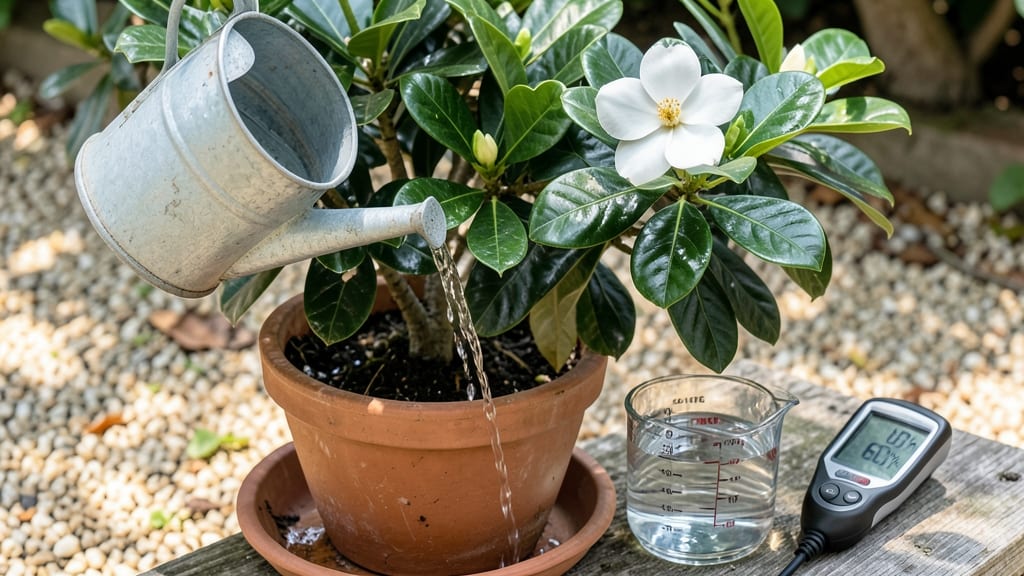
Watering a gardenia 🌸 the right way means knowing how often to water it—too much or too little, and those glossy leaves and fragrant blooms will fade fast.
Struggling to keep your gardenia blooming beautifully? The secret isn’t just in the soil or sunlight—it’s in understanding the precise watering schedule these tropical beauties demand. Overwater or underwater, and you’ll sacrifice those fragrant blooms you love.
Gardenia thrives when the soil stays consistently moist but never soggy, which means checking the top inch of soil before watering. In summer, that could mean every 2-3 days, while winter slows things down to once a week.
Below, I’ll break down the exact watering schedule by season, signs your gardenia is thirsty or drowning, and pro tips to keep those blooms lush all year long.
Optimal gardenia watering frequency by season: a month-by-month guide
Mastering the watering schedule for your gardenia plant is the key to those glossy leaves and fragrant blooms you adore. These tropical shrubs thrive on consistent moisture but despise soggy roots—balancing both is an art.
I’ve learned through years of trial and error that seasonal adjustments make all the difference, especially when humidity and temperatures shift dramatically.
Your gardenia’s water needs aren’t static—they change monthly, just like the weather. For example, a deep watering every 2 days in summer heat becomes a weekly check in winter dormancy.
The trick is monitoring the top 2-3 inches of soil—if it’s dry, it’s time to water. Let’s break it down by season so you can keep your gardenia thriving year-round.
🌱 Pro Tip: Always water at the base of the plant in the morning to prevent fungal diseases from evening moisture. Avoid wetting the leaves, as gardenias are prone to powdery mildew in humid conditions.
| Season | Frequency | Depth | Environmental Factors |
|---|---|---|---|
| Spring (March-May) | Every 2-3 days | 6-8 inches | Increasing temps, humidity rises |
| Summer (June-August) | Every 1-2 days | 8-10 inches (deep soak) | High heat, dry air, blooming season |
| Fall (September-November) | Weekly (reduce gradually) | 4-6 inches | Cooling temps, lower humidity |
| Winter (December-February) | Bi-weekly (check soil first) | 3-4 inches (light watering) | Dormant season, minimal growth |
Let’s start with spring, when your gardenia wakes up from its winter nap. As temperatures rise from 50°F to 70°F, increase watering from weekly to every 2-3 days. The goal is to keep the soil evenly moist but never waterlogged.
I test this by sticking my finger 2 inches deep—if it feels dry, it’s time to water. Morning watering is critical here to prevent fungal spores from thriving in the damp evenings.
Summer is peak blooming season for gardenias, but it’s also when they drink the most. With temperatures often exceeding 80°F, your plant may need watering every 1-2 days, depending on your climate. The key is deep watering—aim for 8-10 inches deep to encourage strong root growth.
If you notice the leaves drooping by midday, it’s a sign your gardenia is thirsty. Mulching with 2-3 inches of organic mulch helps retain moisture and keeps roots cool.
As fall arrives, reduce watering gradually to match the cooling temperatures. By September, switch to weekly watering and monitor the soil closely. Gardenias in containers dry out faster than in-ground plants, so check potted gardenias every 3-4 days.
Look for yellowing leaves or bud drop—these are early warnings of overwatering as the plant prepares for dormancy.
Winter care is all about minimal intervention. Your gardenia’s growth slows dramatically, and overwatering is the #1 mistake gardeners make. Cut back to bi-weekly watering and only water if the top 1-2 inches of soil feel completely dry.
If you’re in a mild winter climate (like USDA Zone 8+), you might need to water monthly. Always use lukewarm water to avoid shocking the roots in cold weather.
One common mistake I see is ignoring humidity levels. Gardenias love 60-70% humidity, but indoor environments often drop to 30-40% in winter. To combat this, place a humidifier nearby or group plants together.
For outdoor gardenias, morning misting can help maintain that tropical feel. Just avoid wetting the leaves to prevent powdery mildew from spreading.
Potted gardenias need extra attention because their roots dry out faster than in-ground plants. In summer, I water mine daily if the pot feels light, but always check the soil first. A self-watering pot or moisture meter can be a game-changer.
For in-ground gardenias, focus on deep, infrequent watering to encourage deep root growth. If your gardenia is in clay soil, water more frequently—clay holds moisture but can become compacted.
Don’t forget to adjust for rainfall! If you’ve had 1 inch of rain in a week, skip your scheduled watering. A simple rain gauge helps track this. In drought-prone areas
Signs your gardenia is overwatered or underwatered (and how to fix it)
Your gardenia thrives on balance—too much or too little water, and those glossy leaves and fragrant blooms start to fade. The first clue? Yellowing leaves or dropping buds, both red flags for moisture stress.
Unlike drought-tolerant succulents, gardenias demand consistent moisture but hate soggy roots. Let’s decode the signs and restore your plant’s health before it’s too late.
If your gardenia’s leaves feel mushy or the soil smells rotten, you’re likely overwatering. This creates the perfect storm for root rot, a silent killer that chokes your plant from the roots up.
On the flip side, crispy leaf edges or wilting despite damp soil? That’s your gardenia begging for hydration. Both extremes disrupt nutrient uptake, leading to bud drop and stunted growth.
💧 Gardenia Watering Warning
Water your gardenia only when the top 1-2 inches of soil are dry. In summer, this means every 2-3 days; in winter, bi-weekly. Morning watering prevents fungal growth, while evening water risks root rot. Use your finger to test moisture—damp but not soggy is ideal.
To diagnose overwatering, gently tug on the plant. If it pulls out easily with little resistance, root rot has likely set in. Trim away blackened roots and repot in fresh, well-draining soil mixed with perlite or sand.
For underwatered gardenias, soak the soil until water drains from the bottom. Mulch around the base to retain moisture and reduce evaporation.
Adjust your watering schedule based on the season. In summer heat, gardenias may need daily watering, while winter dormancy requires minimal hydration. Potted gardenias dry out faster than in-ground plants, so check their soil daily.
If your gardenia’s leaves yellow between veins, it’s a classic sign of overwatering—cut back immediately and let the soil dry out completely between waterings.
For bud drop, the issue is often stress from inconsistent moisture. Keep the soil evenly moist during blooming season (spring/summer) and reduce watering in fall/winter. A humidity tray or pebble tray can help maintain ideal moisture levels without drowning the roots.
Remember, gardenias love humidity—mimic their tropical habitat by misting leaves occasionally or placing the pot on a gravel tray with water.
Prevent future issues by improving drainage. Amend heavy clay soil with compost or coconut coir to enhance aeration. Elevate potted gardenias on feet or saucers to prevent waterlogging.
If your gardenia’s new growth wilts despite proper watering, it may be transplant shock—give it time to adjust and keep the soil consistently moist during recovery.
With these fixes, your gardenia will bounce back in 2-4 weeks, regaining its vibrant foliage and sweet fragrance. The key is observation—check soil moisture, leaf texture, and root health regularly. Soon, you’ll master the art of perfect gardenia hydration, ensuring blooms all season long. 🌸