
How To
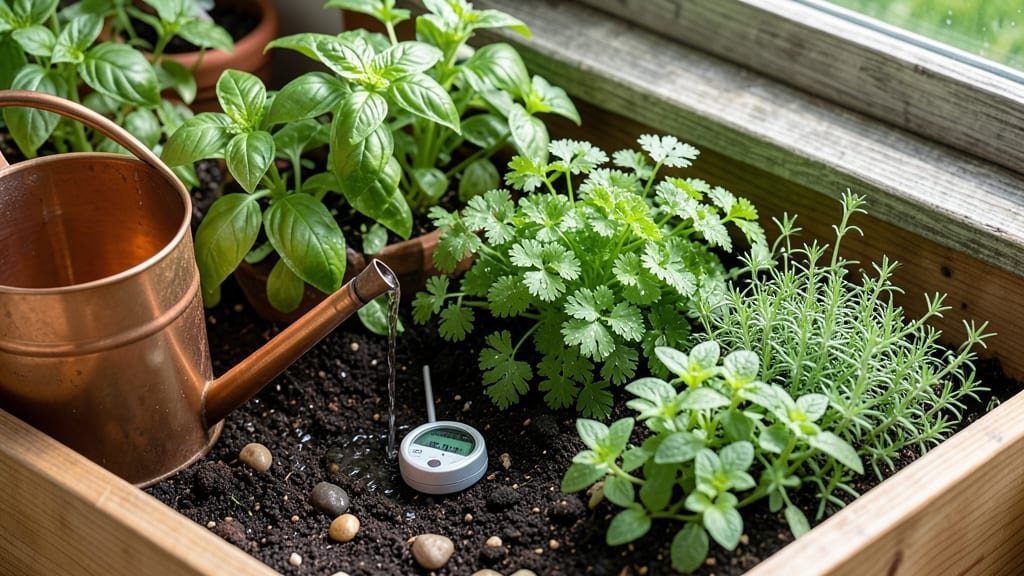
Watering your herb garden the right way keeps those 🌿 fresh leaves vibrant and flavorful—typically every 2-3 days in summer, but that’s just the start.
Struggling to keep your herb garden lush and productive? Overwatering or underwatering can turn your kitchen staples into sad, wilted stems—here’s the science-backed watering schedule that ensures vibrant herbs all season long.
Most herbs hate soggy roots but won’t survive drought, so timing and technique matter more than a strict calendar. In Zone 6a, morning watering beats evening soak to prevent fungal growth, while potted herbs dry out faster than in-ground plants.
Below, I’ll break down the exact triggers—soil moisture, leaf signals, and seasonal shifts—to help you water with confidence, whether you’re growing basil or rosemary.
How often to water herb garden based on soil type and climate
Watering your herb garden isn’t a one-size-fits-all task—it depends on your soil type, climate zone, and even the specific herbs you’re growing. Too much water causes root rot, while too little leads to stunted growth and flavor loss.
Let’s break down the ideal watering schedule so your basil, rosemary, and other herbs thrive without guesswork.
Most herbs prefer their soil to stay consistently moist but never soggy. The key is monitoring the top 1-2 inches of soil—this is where roots actively seek hydration.
In sandy soil, water drains quickly, while clay soil holds moisture longer. Meanwhile, loamy soil strikes a perfect balance, making it the easiest to manage.
Climate plays a massive role too. In arid regions, like the Southwest U.S., herbs may need daily watering in summer, while humid climates, such as the Southeast, might only require watering every 3-4 days. Even temperate zones shift between seasons—spring and fall demand less frequent watering than peak summer heat.
For arid climates, like those in Arizona or California, aim to water early in the morning (before 8 AM) to minimize evaporation. In these zones, drip irrigation is a game-changer—it delivers water directly to roots and reduces waste.
If you’re hand-watering, focus on the base of the plant to avoid wetting leaves, which can lead to fungal issues like powdery mildew.
In humid climates, such as Florida or Louisiana, the biggest risk is overwatering. Here, herbs like mint and chives can handle slightly wetter conditions, but rosemary and thyme may suffer. Always check soil moisture with your finger—if the top inch feels damp, wait another day before watering.
Temperate climates, common in the Northeast or Midwest, offer a middle ground. During summer, water every 2-3 days, but reduce to every 5-7 days in fall as temperatures drop. Use a moisture meter for precision—these tools take the guesswork out of hydration and prevent both drought stress and root rot.
Herbs like basil and cilantro are particularly sensitive to moisture fluctuations. They prefer consistent dampness and wilt quickly if underwatered. On the other hand, rosemary and oregano are more drought-tolerant—let the soil dry out slightly between waterings to avoid root rot.
Pro tip: Group herbs with similar water needs together in your garden. For example, plant basil and parsley near each other, but keep rosemary and thyme in a slightly drier section. This zoning strategy simplifies your watering routine and ensures each herb gets exactly what it needs.
Finally, always water deeply—aim for 1-2 inches of water per session. Shallow watering encourages roots to stay near the surface, making plants more susceptible to drought. A 5-gallon watering can is perfect for most herb gardens, delivering just the right amount without oversaturating the soil.
By tailoring your watering schedule to your soil type and climate, you’ll keep your herb garden lush, flavorful, and ready for harvest all season long. 🌱
Signs your herb garden needs water (and when to hold back)
Your herb garden whispers its hydration needs through subtle clues—if you know what to listen for. Wilting leaves are the most obvious cry for help, but herb-specific signs like basil drooping or rosemary turning grayish reveal deeper issues.
Before reaching for your watering can, check these visual and tactile cues to avoid over- or underwatering your plants.
Start by examining leaf texture. Healthy herb leaves should feel firm and slightly plump. If they crinkle or feel paper-thin when touched, your plants are thirsty.
For drought-tolerant herbs like thyme or oregano, leaves may curl slightly, while moisture-loving basil will wilt dramatically within hours of needing water.
Next, probe the soil 1-2 inches deep. If it feels dry and crumbly like powdered sugar, it’s time to water.
For container-grown herbs, lift the pot—if it’s light as a feather, your herbs are begging for hydration. In-ground herbs may show exposed roots or soil pulling away from the base, signaling it’s past time for a drink.
💧 How Often to Water Your Herb Garden
- 🌱 Basil & Cilantro: Every 1-2 days (they dry out fast)
- 🌿 Parsley & Chives: Every 2-3 days (moderate thirst)
- 🪴 Rosemary & Thyme: Every 5-7 days (drought-tolerant)
- 🌡️ Summer Heat: Morning watering (prevents evaporation)
- 🌧️ Rainy Days: Skip watering (soil stays moist too long)
Pro Tip: Mulch retains moisture and keeps roots cool—add a 1-inch layer of straw or shredded leaves.
Some herbs scream for water while others silently suffer. Basil, for example, will yellow and wilt if thirsty, but rosemary may just lose its vibrant green hue and feel leathery to the touch. Mint and dill often bolt or flower prematurely when stressed, while sage leaves may curl inward like tiny umbrellas.
Overwatering is just as damaging as underwatering. Yellowing leaves, mushy stems, or fungal spots (like powdery mildew) mean you’ve overdone it.
Let the top inch of soil dry out between waterings, and always check for waterlogged roots—if they feel slimy or rotten, your herbs are drowning. Drainage holes in containers are non-negotiable!
Adjust your watering based on season and weather. In summer’s scorching heat, herbs may need daily watering, while winter’s chill slows growth, reducing needs to every 10-14 days. Morning watering is ideal—it reduces evaporation and prevents fungal diseases that thrive in damp evening air.
If you’re unsure, stick your finger in the soil: if it’s dry, water; if it’s damp, wait.
Listen to your herbs—they’ll tell you everything you need to know. With these visual and tactile cues, you’ll master the art of perfect hydration, keeping your garden lush, aromatic, and ready to harvest all season long. 🌿