
How To
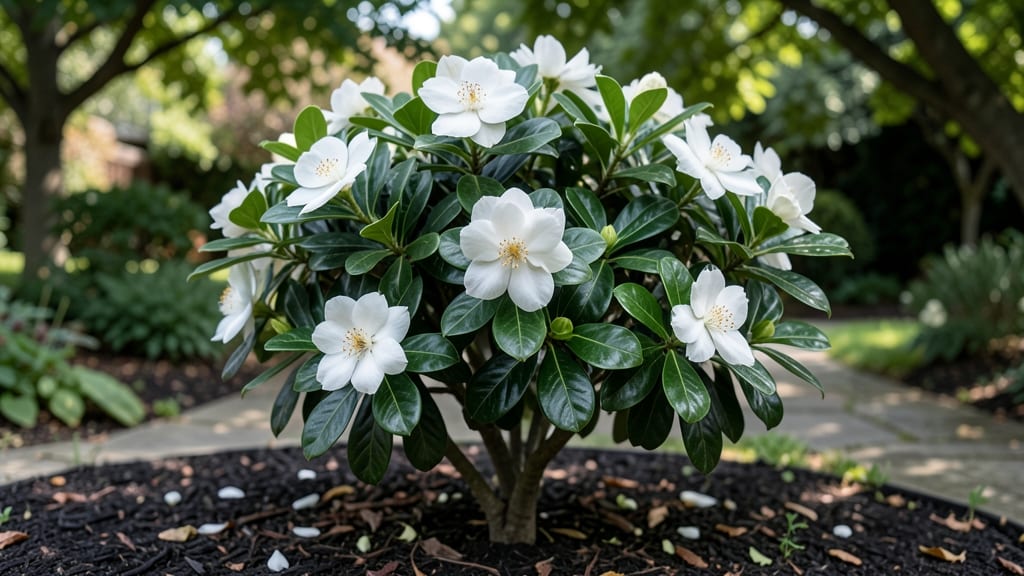
Gardenia height guide: natural growth ranges by variety and conditions
Understanding gardenia height is key to planning your garden layout—whether you want a compact shrub for containers or a tall hedge for privacy. The natural growth range of gardenias spans 4 to 12 feet, depending on the variety, climate zone, and soil conditions.
For example, the classic Gardenia jasminoides typically reaches 6–8 feet in ideal conditions, while dwarf varieties like 'Radicans' stay under 3 feet. Let’s break down the factors that influence their height and how to control them.
Your gardenia’s mature height isn’t just about genetics—it’s also shaped by where you live. In tropical climates (Zones 9–11), gardenias grow faster and taller, sometimes exceeding 10 feet without pruning. In temperate zones (Zones 7–8), growth slows in winter, keeping heights more manageable at 5–7 feet.
Even within the same zone, soil acidity (pH 5.0–6.0) and drainage play critical roles. Poor drainage or alkaline soil can stunt growth, while rich, acidic soil encourages lush, vigorous plants that reach their full potential height.
Here’s a quick reference for common gardenia varieties and their typical heights, along with the conditions that influence their growth patterns:
| Variety | Mature Height (ft) | Growth Rate (in/year) | Ideal Climate Zones | Soil Needs |
|---|---|---|---|---|
| G. jasminoides (Common) | 6–8 ft | 12–18 in | Zones 7–11 | Acidic, well-draining |
| G. augusta (Cape Jasmine) | 10–12 ft | 18–24 in | Zones 9–11 | Rich, humid soil |
| 'Radicans' (Dwarf) | 2–3 ft | 6–12 in | Zones 7–10 | Well-draining, acidic |
| 'Kleim’s Hardy' (Cold-Hardy) | 4–6 ft | 10–14 in | Zones 6–9 | Moist, slightly acidic |
| 'Veitchii' (Large Blooms) | 8–10 ft | 16–20 in | Zones 8–11 | Humid, well-draining |
Growth rates vary with pruning and care.
If you’re growing gardenias in containers, their height will naturally stay shorter—typically 3–5 feet—because root growth is restricted. However, container size matters: a 5-gallon pot will limit growth more than a 15-gallon planter.
For hedge planting, choose semi-dwarf varieties like 'Kleim’s Hardy' and space them 3–4 feet apart to encourage bushier growth and fill in gaps over time. In tropical climates, gardenias can become tree-like if unchecked, so regular pruning is essential to maintain a manageable size.
Light exposure also affects height. Gardenias thrive in partial shade (4–6 hours of morning sun), which promotes compact, bushier growth. Too much direct afternoon sun can cause leggy stems and slower leaf development, making the plant appear taller and less dense.
In shadier conditions, growth may be slower, but the plant will still reach its genetic height potential—just over a longer period.
For example, a G. jasminoides in a woodland garden might take 3–4 years to reach 6 feet, while one in full sun could hit that height in 2–3 years.
One of the biggest mistakes gardeners make is assuming all gardenias grow the same height. G. augusta, for instance, is a fast-growing variety that can reach 12 feet in ideal tropical conditions, while 'Radicans' is specifically bred to stay under 3 feet.
Always check the variety’s description before planting—this saves you from surprises down the road. For urban gardens or small yards, dwarf varieties are your best bet, but even standard gardenias can be pruned to fit tighter spaces without sacrificing blooms.
Soil fertility plays a surprising role in height control. Gardenias fed with high-nitrogen fertilizer (like 10-10-10) will grow faster and taller, but this can lead to fewer flowers. For compact, flowering shrubs
Pruning techniques to control gardenia height and shape
Gardenia shrubs can reach 6–12 feet if left unchecked, but with the right pruning techniques, you can easily maintain a 3–6 foot height perfect for hedges or container gardening.
The key is timing and technique—prune at the right moment to encourage bushier growth while preserving those sweetly fragrant blooms you love. I’ve pruned gardenias for years, and I’ll share my proven methods to keep them compact and thriving.
Most gardeners make the mistake of pruning at the wrong time, which can stunt blooms or leave plants vulnerable to disease. The best time to prune is late winter or early spring, just as new growth begins but before buds swell.
This timing ensures you’re shaping the plant’s structure while allowing it to recover before the growing season peaks. For container gardenias, you can prune lightly after blooming to maintain shape.
Step-by-Step Pruning Guide
-
Step 1: Gather Tools
Use clean, sharp pruners (sterilized with rubbing alcohol) and gloves—gardenia leaves can irritate skin. A hand saw may be needed for thicker stems. -
Step 2: Remove Dead or Weak Wood
Cut back any dead branches or those growing inward to improve airflow and reduce disease risk. Aim for a V-shaped cut just above a leaf node. -
Step 3: Shape the Canopy
To keep gardenias 3–6 feet tall, trim back the tallest stems by 1/3 of their length. Focus on the outer branches to encourage a fuller shape. -
Step 4: Encourage Bushiness
Pinch back new growth tips on younger plants to promote branching. For mature shrubs, cut just above a leaf node to stimulate side shoots. -
Step 5: Clean Up
Remove all pruned branches and sterilize tools again to prevent bacterial spread. Apply a mulch layer around the base to retain moisture.
After pruning, your gardenias will reward you with denser foliage and even more blooms if you feed them a balanced, acid-loving fertilizer (like 10-10-10) in early spring. Avoid heavy pruning in fall—this can stress the plant before winter dormancy.
For container gardenias, prune lightly after each blooming cycle to maintain a neat, manageable shape.
One common mistake is over-pruning, which can lead to fewer blooms the following season. Gardenias bloom on new wood, so avoid cutting back more than 1/3 of the plant at once.
If you’re aiming for a hedge effect, prune regularly throughout the growing season to keep the height consistent.
For a bushier, more compact gardenia, try the "heading back" method: cut the main stems just above a leaf node. This encourages the plant to branch out, creating a fuller, more attractive shrub.
Pair this with regular deadheading (removing spent blooms) to redirect energy into new growth rather than seed production.
Remember, gardenias thrive on consistency. Prune the same way each year, and your shrubs will stay at your desired height while still producing those lush, fragrant blooms you adore. With a little practice, you’ll have gardenias that are perfectly sized for your space—without sacrificing their beauty or scent. 🌸✂️🌿