
How To
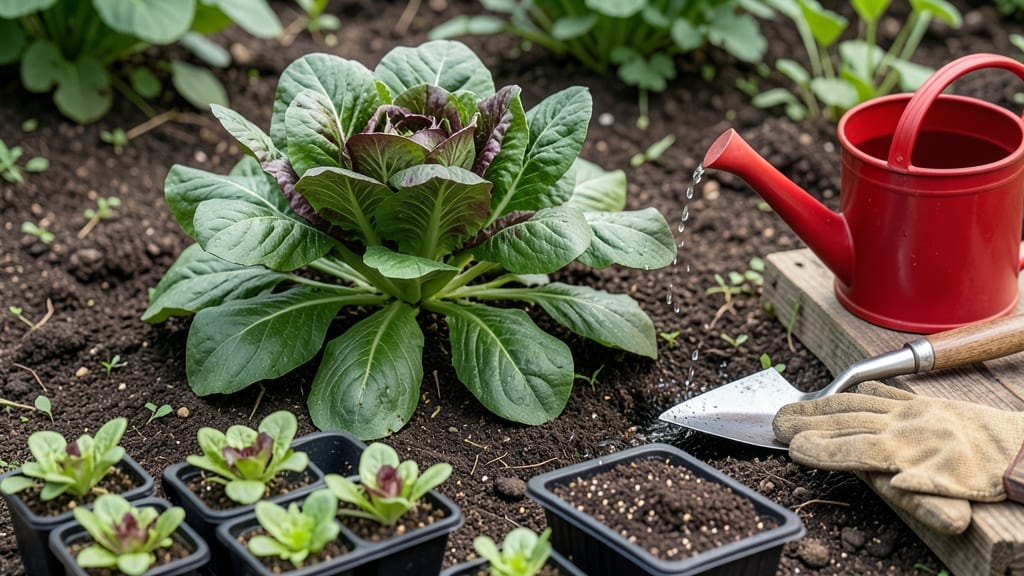
Growing a lettuce garden 🥬 is easier than you think—especially with the right timing, soil, and a few pro tricks to speed up those first sprouts.
Imagine biting into crisp, homegrown lettuce in just 30 days—no pesticides, no store delays, just fresh greens straight from your garden. With the right techniques, growing lettuce can be faster, easier, and more productive than you ever imagined.
Most beginners struggle with slow germination or bitter-tasting leaves, but the key is starting with the fastest varieties and keeping the soil just right. In Zone 6a, planting in March-April or August-September gives you two harvest windows, and a little shade in summer prevents bolting.
Below, I’ll walk you through the fastest germination tips, the perfect planting schedule, and how to keep your lettuce crisp all season—so you’re harvesting in May-June and again in October-November.


Fast-germination lettuce varieties and soil secrets for quick harvests
There’s nothing quite like the satisfaction of harvesting crisp, homegrown lettuce in just 30 days—and with the right fast-germination varieties and soil prep, you can turn your garden into a leafy green factory.
The secret lies in choosing varieties like 'Black Seeded Simpson' or 'Buttercrunch', which sprout in 5-7 days and deliver continuous harvests every 3-4 weeks.
My first attempt at growing lettuce ended in disappointment when I ignored soil prep—until I learned that loamy, nutrient-rich soil with proper drainage is non-negotiable. Without it, even the fastest seeds struggle.
Let’s break down the top varieties and soil secrets that’ll have you feasting on fresh greens in record time.
| Variety | Germination Time | Days to Harvest | Soil pH | Sunlight Needs |
|---|---|---|---|---|
| Black Seeded Simpson | 5-7 days | 30-40 days | 6.0-7.0 | Partial shade |
| Buttercrunch | 6-8 days | 45-50 days | 6.0-7.0 | Partial shade |
| Arctic King | 4-6 days | 28-35 days | 6.0-7.5 | Partial shade |
| Romaine | 7-10 days | 50-60 days | 6.0-7.0 | Full sun |
Soil Secrets: Mix 1/3 compost, 1/3 garden soil, and 1/3 perlite for perfect drainage and nutrients.
When I first planted lettuce in my backyard, I made the rookie mistake of using plain garden soil. The seeds took two weeks to germinate—and many never did. The fix? Amending the soil with aged compost and a handful of worm castings per square foot.
This boosts nutrients and improves drainage, ensuring seeds get the moisture and air they need to sprout quickly.
For container gardening, use a high-quality potting mix with added sand or vermiculite to prevent compaction. I’ve had great success with 5-gallon buckets filled with this blend, placing them in morning sun to avoid wilting.
The key is keeping the soil consistently moist but never soggy—lettuce roots need oxygen too!
One of my favorite tricks is pre-soaking lettuce seeds in lukewarm water for 12 hours before planting. This jumpstarts germination by 30-50%. Just place seeds in a damp paper towel, seal in a bag, and check for sprouts.
Once they’ve cracked, they’re ready to plant 1/4 inch deep in your prepared soil.
If you’re planting in spring or fall, aim for soil temperatures between 45-75°F. I test this with a soil thermometer—any hotter, and your lettuce will bolt (go to seed) prematurely.
In Zone 6, I’ve found that planting in March or September gives the best results, avoiding the summer heat that turns lettuce bitter.
Don’t overlook mulching! A 1-inch layer of straw or shredded leaves keeps soil cool, retains moisture, and suppresses weeds. I mulch immediately after planting and reapply every 3-4 weeks. This simple step can extend your harvest window by 2-3 weeks in both spring and fall.
For succession planting, sow new seeds every 2 weeks after your first harvest. This ensures a steady supply of fresh lettuce all season. I’ve even planted microgreens in between rows—harvesting them in just 7-10 days while waiting for the main crop to mature.
Finally, remember that lettuce is a cool-season crop. If you’re in a hot climate, use shade cloth (30-50% shade) to protect your plants. I’ve seen lettuce bolt in 80°F+ temperatures, so don’t skip this step if you’re gardening in summer.
With these fast-germination varieties and soil secrets, you’ll be enjoying crisp, homegrown lettuce in no time—no store-bought greens
Step-by-step planting and watering schedule for maximum lettuce growth
Growing lettuce from seed to harvest doesn't have to be a guessing game. With a precise planting schedule and consistent watering routine, you can achieve crisp, flavorful greens in as little as 30 days.
The key lies in proper spacing, depth, and timing—especially during those critical first 7 days when seeds transform into seedlings. Let’s break down the exact steps to maximize your lettuce’s potential while avoiding common pitfalls like bolting or bitter flavors.
First, choose a location with partial shade (4-6 hours of sun) and well-draining soil. Lettuce seeds need consistent moisture but will rot if waterlogged. Start by preparing your soil with compost or aged manure to ensure it’s rich in nutrients.
If you’re planting in containers, use a high-quality potting mix designed for leafy greens. The goal is to create an environment where your lettuce thrives without stress, setting the stage for a bountiful harvest.
Your 7-Day Lettuce Planting & Watering Schedule
-
Day 1: Sowing Seeds
Plant seeds ¼ inch deep in rows spaced 12-18 inches apart. For faster germination, soak seeds in water for 1 hour before planting. Keep soil moist but not soggy. -
Day 3: First Watering
Water gently with a fine mist to avoid displacing seeds. Aim for ½ inch of water per week, delivered in the morning to prevent fungal diseases like downy mildew. -
Day 5: Thinning Seedlings
Once seedlings emerge, thin to 4-6 inches apart to reduce competition. Use scissors to snip unwanted sprouts at soil level—this minimizes stress on remaining plants. -
Day 7: Establishing Routine
Water deeply every 2-3 days, focusing on the soil (not leaves). Mulch with straw or shredded leaves to retain moisture and suppress weeds. Avoid overhead watering to prevent disease spread.
💡 Pro Tip: Use a seedling heat mat if temperatures dip below 50°F to speed up germination.
After the first week, maintain a consistent watering schedule—lettuce roots are shallow, so they dry out quickly. Water in the early morning (before 10 AM) to allow foliage to dry, reducing the risk of fungal infections.
If you notice leaves turning bitter or flowering (bolting), your plants may be stressed by heat or drought. Provide shade cloth during peak summer hours and mulch to keep roots cool.
To prevent bolting, avoid planting lettuce during hot summer months (above 80°F). Instead, opt for spring or fall planting when temperatures stay between 60-65°F. If you’re growing in containers, choose larger pots (at least 6 inches deep) to accommodate root growth and improve stability.
Containers also allow you to move lettuce to shadier spots if needed.
Once your lettuce reaches 3-6 inches tall, it’s ready for harvest. Use the cut-and-come-again method: snip outer leaves while leaving the inner core intact. This encourages continuous regrowth for up to 3-4 weeks per planting.
For the crispest lettuce, harvest in the morning after watering, when moisture levels are highest and flavors are most vibrant.
By following this schedule, you’ll enjoy homegrown lettuce that’s sweeter, crisper, and more nutritious than store-bought. The secret? Patience, precision, and proper care—just like the lettuce we grow in our own gardens. Happy planting! 🥬