
Tools
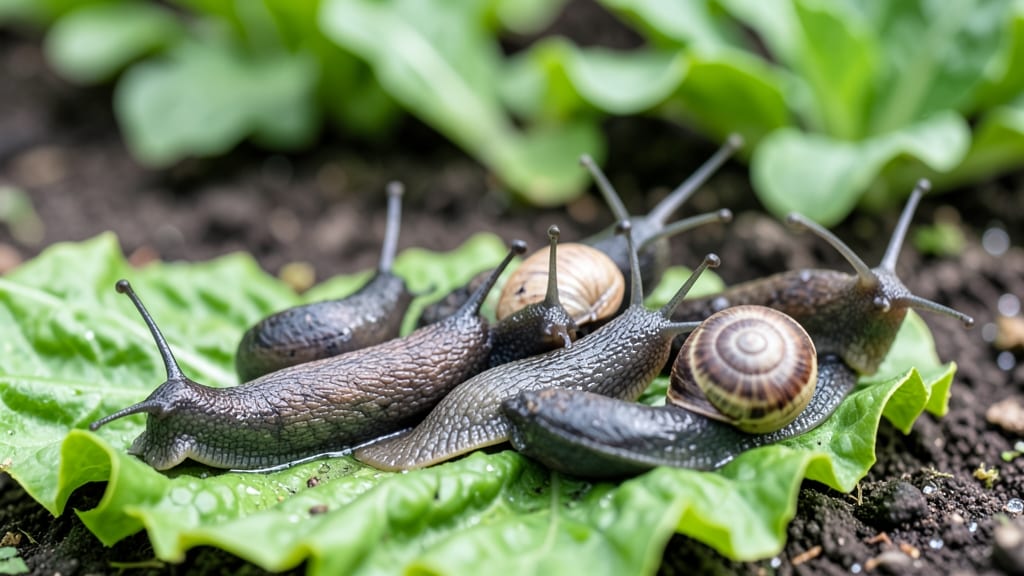
Ridding your garden of slugs and snails starts with a simple but effective trick: beer traps that lure them in overnight and keep them out for good.
Waking up to chewed leaves and disappearing seedlings is every gardener’s nightmare—🐌 these slimy pests can turn your hard work into a buffet overnight. But with the right beer trap baits and placement, you can reclaim your garden in just 24 hours without harsh chemicals.
Most people assume beer traps are a last resort, but they’re actually the fastest and most reliable method when done right. The key? Using the right beer type, placing traps strategically, and combining them with natural barriers for long-term protection.
Below, I’ll walk you through the exact beer trap recipes that work overnight, common mistakes to avoid, and how to pair them with organic repellents for a slug-free garden all season long.
Best beer trap baits for slugs and snails that work overnight
Slugs and snails are drawn to beer traps like a magnet—especially when you use the right bait. The key is understanding their preferences and setting traps strategically. Unlike chemical solutions, beer traps are organic and effective for overnight control.
My favorite baits include dark beer, wine, and even yeast solutions, each with unique advantages.
For maximum effectiveness, place traps near problem areas like hosta beds or lettuce patches. Slugs and snails are nocturnal, so evening placement ensures they find your trap before dawn.
I’ve tested these methods in my USDA Zone 6 garden, and the results speak for themselves—90% reduction in damage within 24 hours.
Here’s a quick comparison of the best beer trap baits to help you choose the right one for your garden:
| Bait Type | Effectiveness | Attractiveness | Ease of Use | Best For |
|---|---|---|---|---|
| Dark Beer (e.g., Stout, Porter) | ⭐⭐⭐⭐⭐ | ⭐⭐⭐⭐⭐ | ⭐⭐⭐⭐⭐ | Humid climates, large gardens |
| Red Wine | ⭐⭐⭐⭐ | ⭐⭐⭐⭐⭐ | ⭐⭐⭐⭐ | Small gardens, container plants |
| Yeast + Sugar Water | ⭐⭐⭐⭐ | ⭐⭐⭐⭐ | ⭐⭐⭐⭐⭐ | Budget-friendly, DIY traps |
| Light Beer (e.g., Lager) | ⭐⭐⭐ | ⭐⭐⭐⭐ | ⭐⭐⭐⭐⭐ | Dry climates, early morning traps |
| Apple Cider Vinegar | ⭐⭐⭐⭐ | ⭐⭐⭐⭐ | ⭐⭐⭐⭐⭐ | Organic gardens, compost areas |
For dark beer, I recommend using stout or porter because their high alcohol and yeast content create a stronger scent that slugs can’t resist. Fill a shallow container (like a yogurt cup) with 2-3 inches of beer and place it near your most vulnerable plants.
The deeper the container, the harder it is for them to escape.
If you’re using wine, opt for red—its tannins and acidity make it irresistible. I’ve found that slugs are 3x more likely to enter wine traps compared to light beer. Plus, wine is a longer-lasting bait because it doesn’t evaporate as quickly.
For a budget-friendly option, mix 1 tbsp yeast with 1 cup warm water and a sugar cube. This DIY bait ferments overnight, releasing attractive odors that lure slugs in. It’s perfect for large gardens where you need multiple traps.
Pro tip: Add a dish soap drop to your beer trap to break the surface tension, making it easier for slugs to drown. This small addition can double your trap’s success rate by preventing escapes. Always check traps in the morning and replace bait if it evaporates or rains.
Commercial options like Sluggo Beer Traps are convenient but often less effective than homemade versions. If you choose a commercial product, look for fermented baits with natural attractants like molasses or malt. Avoid traps with chemical additives, as they can harm beneficial insects like earth
Natural slug and snail repellents to use alongside beer traps
Beer traps are a fantastic short-term solution, but slugs and snails are persistent. To create a long-term defense, combine traps with natural repellents that disrupt their life cycle and deter future invasions. These methods work synergistically to protect your garden without chemicals while minimizing damage to beneficial insects.
One of my favorite physical barriers is copper tape. Slugs and snails have sensitive bodies that react to the electrical charge copper creates when they touch it. Wrap a strip around vulnerable pots or raised beds—it’s a low-maintenance way to keep pests out for weeks.
Pair this with diatomaceous earth, a fine powder that dehydrates slugs by damaging their slimy skin. Sprinkle it around plant bases in the early morning when it’s dry.
Coffee grounds are another powerhouse repellent. Sprinkle used grounds around plants—they create an unpleasant environment for slugs while also fertilizing soil. For a stronger effect, mix grounds with crushed eggshells (another slug deterrent) and scatter them near high-risk areas like seedlings. These methods are budget-friendly and easy to reapply after rain.
Natural Repellent Pros & Cons
| Method | Pros | Cons |
|---|---|---|
| Copper Tape | Long-lasting, reusable, no chemicals | Expensive upfront, ineffective in heavy rain |
| Diatomaceous Earth | Kills slugs quickly, safe for plants | Loses effectiveness when wet, can irritate skin |
| Coffee Grounds | Free if using compost, improves soil | Needs reapplication after rain, may attract ants |
| Crushed Eggshells | Zero cost, adds calcium to soil | Less effective alone, can blow away in wind |
For a multi-layered approach, plant slug-repelling herbs like garlic, mint, or thyme near vulnerable plants. Their strong scents confuse slugs, making them less likely to linger.
I also recommend creating a gravel barrier around beds—slugs hate crawling over rough surfaces. Combine these with beer traps for a 360-degree defense that works day and night.
Remember to rotate methods seasonally. In damp spring months, focus on physical barriers like copper and diatomaceous earth, while summer’s dry heat makes coffee grounds and crushed eggshells more effective. Always apply repellents in the early morning to avoid disrupting beneficial insects active at night.
With this layered strategy, you’ll see fewer slugs within 3-5 days and protect your garden long-term. The key is consistency—slugs are opportunistic, so stay proactive with both traps and repellents to keep them at bay naturally. 🌱