
Tools
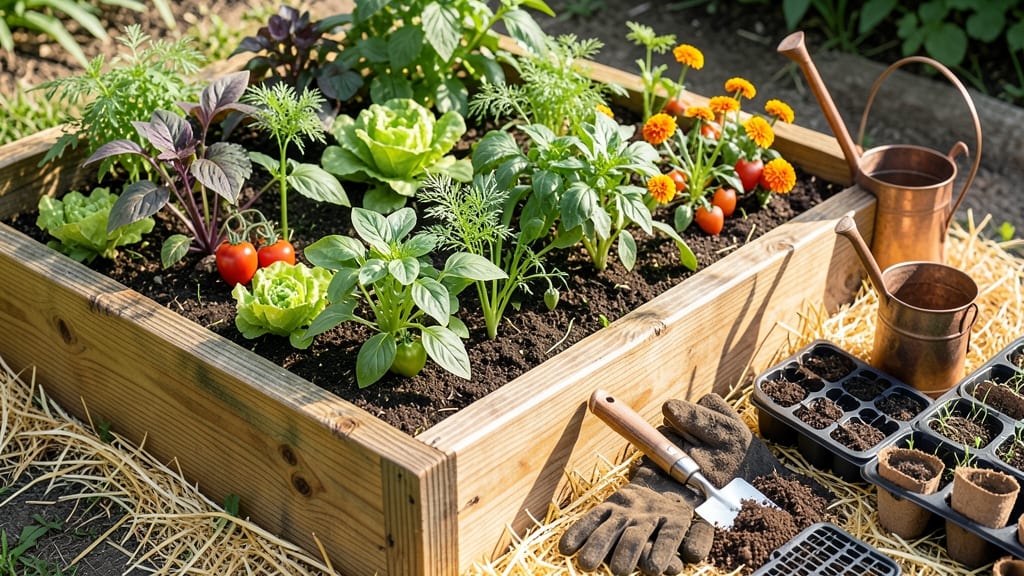
Outdoor raised garden bed ideas can turn even the smallest yard into a thriving, space-efficient growing oasis 🌱—no matter if you have a tight corner or a full patio to work with.
Picture this: a 4-foot-by-8-foot bed packed with herbs, lettuce, and cherry tomatoes in a layout that fits snugly against your fence, or a tiered design that lets you grow more in less space.
These aren’t just functional—they’re stylish, too, blending seamlessly into your landscape while giving you control over soil quality and drainage.
Whether you’re a first-time gardener or a seasoned green thumb, the right design can make all the difference. You’ll discover how to choose materials that last, plan layouts for companion planting, and even add trellises or shelves to maximize vertical space—without breaking the bank.
From budget-friendly cedar beds to sleek metal frames and everything in between, I’ll walk you through 12 creative designs that work for small yards, plus tips to keep your plants happy year-round. Let’s get growing!
12 Space-saving raised garden bed designs for small yards
If you love gardening but have limited outdoor space, raised garden beds are your best friend. These elevated plots maximize vertical space, improve drainage, and make gardening accessible—no more bending over!
With creative designs, you can grow vegetables, herbs, and flowers even in tight corners or along fences. The key is choosing layouts that fit your yard while keeping maintenance simple.
I’ve tested these space-saving designs in my own small yard, and they’ve transformed my harvests. Whether you’re working with a 4x4-foot patch or a narrow alleyway, these ideas will help you grow more without sacrificing style.
Let’s dive into the best layouts for small spaces, focusing on accessibility, drainage, and plant placement to ensure healthy, thriving gardens.
⚠️ NON-NEGOTIABLE: Every design below includes drainage holes (at least 4 per 4-foot section) and 2-3 feet of soil depth for root growth. Skipping these will lead to poor plant health or waterlogging.
How to choose the right materials and dimensions for your raised bed
When building an outdoor raised garden bed, the materials and dimensions you choose can make or break your gardening success. I’ve learned that durability, cost, and plant-specific needs all play critical roles in selecting the perfect setup.
Whether you’re growing leafy greens or tomatoes, the right materials will protect your investment while supporting healthy growth.
First, consider your budget and maintenance preferences.
Wood is the most popular choice because it’s affordable and easy to work with, but it requires regular upkeep to prevent rot. Metal beds offer longevity and modern aesthetics but can heat up quickly in summer. Composite materials blend the best of both worlds—durable, low-maintenance, and often eco-friendly.
For dimensions, depth is key. Most vegetables thrive in 6-12 inches of soil, while deeper beds (18+ inches) are ideal for root crops like carrots or potatoes. Width matters too—aim for 3-4 feet so you can reach the center without stepping inside.
Longer beds (8+ feet) work well for row cropping but may need support in the middle.
| Material | Pros | Cons | Best For |
|---|---|---|---|
| Wood (Cedar, Redwood) | Affordable, natural look, easy to build | Requires sealing, can rot over time | Budget-friendly gardens, short-term use |
| Metal (Galvanized Steel) | Long-lasting, pest-resistant, modern style | Can heat up, may need insulation | Urban gardens, long-term durability |
| Composite (Plastic-Wood Blend) | Low-maintenance, eco-friendly, durable | Higher cost, limited customization | Eco-conscious gardeners, low-maintenance setups |
| Recycled Materials (Pallets, Bricks) | Sustainable, budget-friendly, creative | May need treatment for safety, less uniform | DIY projects, sustainable gardens |
For small yards, I recommend rectangular or square beds (4x8 feet) to maximize space efficiency. If you’re growing tall plants like sunflowers or pole beans, consider tiered designs or corner beds to save space.
Always include drainage holes at the bottom to prevent waterlogging, which can stunt root growth.
Pro tip: If you’re unsure about dimensions, start with a 4x4-foot bed. It’s large enough for most herbs and small vegetables while being manageable for beginners. Over time, you can expand based on what thrives in your climate.
Don’t forget to factor in pathways—leave at least 2 feet of walking space between beds for easy access.
Finally, think about accessibility. If you have mobility challenges, raised beds with heights between 2-4 feet reduce bending and strain. For kids or pets, lower heights (1-2 feet) make gardening more inclusive. The right dimensions and materials will turn your raised bed into a low-maintenance, high-reward growing space.