
Tools
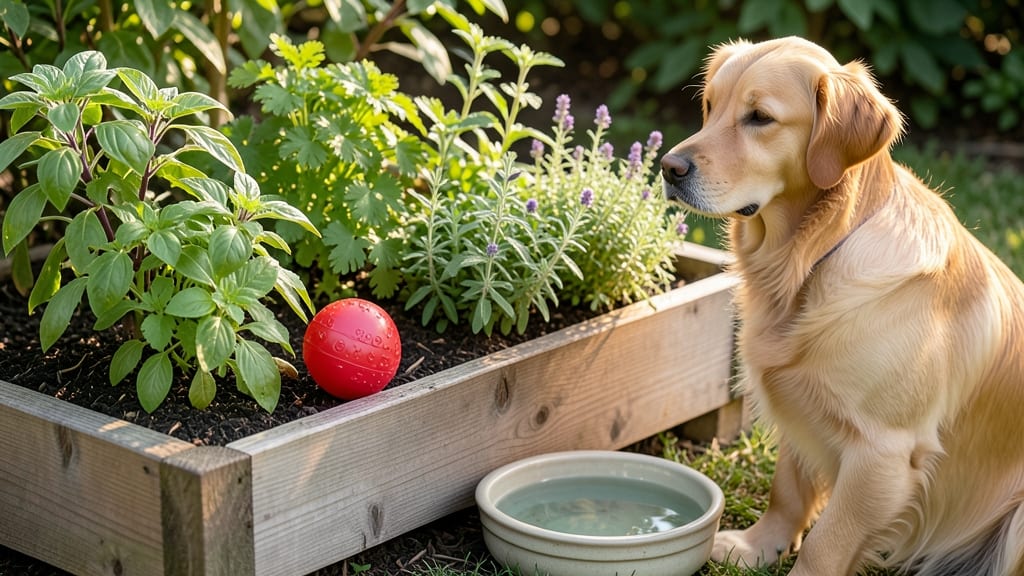
Creating a garden with pets means balancing their safety with plant health by choosing non-toxic plants, using raised beds for vulnerable species, and installing secure barriers while avoiding chemical pesticides.
Your furry friends can coexist with your garden if you plan carefully. 🌿 The key is selecting pet-safe plants like sunflowers or marigolds while keeping toxic varieties (like lilies or foxglove) in elevated containers.
I've found that organic mulches such as straw or pine needles work better than cedar, which can irritate pets' paws. Fencing with smooth edges prevents injuries, and a dedicated digging area filled with sand or gravel can redirect their attention away from your prized plants.
For extra protection, consider planting pet-friendly herbs like basil or mint near high-traffic areas—their strong scents often deter pets from digging. 🐾 Always monitor your pets initially to see how they interact with new plants, and keep a list of toxic plants handy in case of accidental exposure.
The right setup lets both your garden and pets thrive without constant supervision.
💡 In This Article
- Pet-Friendly Garden Plant Selection Guide
- Designing a Secure Garden for Pets and Plants
Pet-friendly garden plant selection guide
When selecting plants for a pet-friendly garden, the first critical factor is understanding how different plants interact with your pets' biology. Cats and dogs metabolize certain plant compounds—like glycosides in foxglove or oxalates in lilies—very differently than humans.
For example, lilies contain caffeine alkaloids that can cause kidney failure in cats even in small amounts, while foxglove's cardiac glycosides affect dogs' heart rhythms. The key is choosing plants that either lack these compounds or have them in non-toxic forms.
Soil chemistry also plays a surprising role in plant safety. Many toxic plants thrive in acidic soils (pH <6.5), which can increase their toxicity levels. 🌱 On the other hand, pet-safe plants like rosemary or cat grass (wheatgrass) prefer slightly alkaline soils (pH 6.5-7.5).
These plants not only pose no threat but actively benefit pets—rosemary's natural oils repel fleas, while cat grass satisfies feline grazing instincts. For visual appeal, consider sunflowers or marigolds, which are both non-toxic and hardy enough to withstand light pet traffic.
Here's what most gardeners miss: plant oils matter just as much as the leaves or stems. Many ornamental plants (like oleander) contain toxic oils in their sap that can cause skin irritation or vomiting if ingested.
The solution is to opt for plants with edible or pet-safe oils, such as lavender (which repels pests) or basil (which deters digging). These plants release pleasant aromas that mask the scents of more vulnerable garden plants, creating a natural deterrent system.
For practical implementation, I recommend creating a "pet zone" in your garden using 3-4 foot tall raised beds for toxic plants. This height prevents most pets from reaching them while keeping the plants accessible for maintenance.
In the surrounding areas, plant a 1-foot border of pet-safe ground cover like clover or creeping thyme to absorb any accidental paw prints and deter digging. This layered approach gives you visual separation between safe and dangerous plants while maintaining garden aesthetics.
Consider these hardy, non-toxic alternatives that thrive in most climates:
- Flowers: Marigolds, sunflowers, snapdragons (all non-toxic and pest-repellent)
- Herbs: Basil, mint, parsley (edible and aromatic)
- Vegetables: Green beans, peas, carrots (safe and pet-friendly)
- Ground covers: Clover, creeping thyme, moss (soft on paws and non-toxic)
The beauty of this approach is that you're not just protecting your pets—you're creating a more resilient garden ecosystem.
Pet-safe plants often have natural pest-repellent properties, reducing your need for chemical interventions that could harm both your pets and beneficial insects. 🌿 For example, marigolds naturally repel nematodes, while basil deters flies—so you're getting double protection.