
Companion Plants
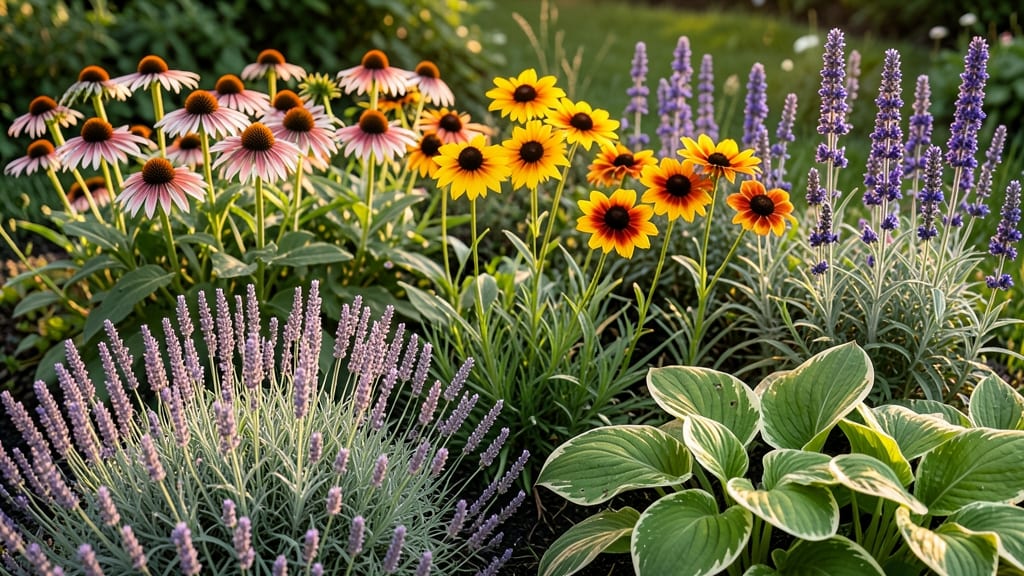
Growing the right popular garden plants can turn even a small yard into a vibrant, low-effort paradise—no green thumb required.
Picture this: a garden that hums with life year-round, where pollinators flutter between blooms and your neighbors stop to ask, "What’s that stunning plant?" The secret isn’t luck—it’s choosing the right plants for your space, climate, and lifestyle.
From sun-loving perennials that bounce back every spring to drought-tolerant workhorses that thrive on neglect, I’ve rounded up the top picks that deliver color, texture, and minimal fuss. Whether you’re filling containers, edging a path, or designing a pollinator haven, these plants do the heavy lifting.
Below, I’ll break down the best performers by category—flowers that attract butterflies, veggies that outproduce store-bought, and shrubs that stay lush with almost no care. Ready to skip the guesswork and build a garden that actually works for you?
Top 10 year-round popular garden plants for every climate zone
Creating a garden that thrives year-round requires selecting hardy, versatile plants that adapt to your local USDA climate zone. Whether you're in the hot desert Southwest or cool Pacific Northwest, these top 10 popular garden plants deliver color, texture, and pollinator support with minimal fuss.
I've handpicked varieties that excel across multiple zones while catering to different sunlight preferences.
From fragrant lavender that deters pests to resilient coneflowers that feed birds, these plants offer seasonal interest without requiring constant attention. Many double as culinary herbs or medicinal remedies, adding functional value to their beauty.
The key is matching each plant to its ideal growing conditions—whether that's full sun exposure or partial shade.
🌱
| Plant Name | USDA Zones | Sunlight Needs | Bloom Season | Pollinator Appeal | Maintenance |
|---|---|---|---|---|---|
| Lavender | 5-9 | Full Sun | Summer-Fall | Bees, Butterflies | Low |
| Coneflowers | 3-11 | Full Sun-Part Sun | Summer-Fall | Bees, Birds | Very Low |
| Russian Sage | 4-9 | Full Sun | Summer-Fall | Bees, Hummingbirds | Low |
| Ornamental Grasses | 5-10 | Full Sun-Part Shade | Year-Round | Birds | Very Low |
| Salvia | 5-10 | Full Sun-Part Sun | Spring-Fall | Hummingbirds, Bees | Low |
| Black-Eyed Susan | 3-9 | Full Sun-Part Sun | Summer-Fall | Bees, Butterflies | Very Low |
| Daylilies | 3-10 | Full Sun-Part Shade | Summer | Bees, Hummingbirds | Low |
| Sedum (Stonecrop) | 3-11 | Full Sun-Part Sun | Summer-Fall | Bees, Butterflies | Very Low |
| Catmint | 3-9 | Full Sun-Part Sun | Summer-Fall | Bees, Butterflies | Low |
| Hostas | 3-8 | Part Shade | Summer | None | Low |
Low-maintenance popular garden plants that require less water & care
If you're dreaming of a stunning garden without the daily upkeep, drought-resistant plants are your best allies. These hardy beauties thrive on neglect, requiring less water and minimal attention while delivering bold colors and textures.
From succulents to Russian sage, these plants are perfect for busy gardeners or areas where water conservation is key.
One of my favorite low-maintenance stars is sedum—also called "stonecrop"—which stores water in its thick leaves, making it nearly indestructible. Pair it with lavender for a fragrant, purple-hued border that deters pests naturally.
Both plants flourish in well-draining soil and full sun, making them ideal for rocky or sandy landscapes.
Here’s how to choose the best low-care plants for your space, along with their unique benefits and occasional quirks:
Popular Low-Maintenance Plants: Pros & Cons
Succulents
- ✅ Pros: Thrives on neglect, stores water, drought-proof
- ✅ Best for: Containers, rock gardens, sunny spots
- ❌ Cons: Needs bright light, can rot in overwatered soil
Russian Sage
- ✅ Pros: Drought-tolerant, attracts pollinators, long bloom season
- ✅ Best for: Perennial borders, cottage gardens
- ❌ Cons: Needs well-draining soil, can flop without support
Sedum (Stonecrop)
- ✅ Pros: Succulent-like, heat-resistant, great for ground cover
- ✅ Best for: Slopes, between pavers, containers
- ❌ Cons: Spreads aggressively, may need pruning
To set these plants up for success, amend your soil with compost or gravel to improve drainage—especially in clay-heavy areas. Space them 12-24 inches apart to allow airflow and reduce competition for water. For example, Russian sage should have 2 feet of space between plants to prevent overcrowding and disease.
Seasonal care is minimal but impactful. In spring, trim back dead foliage from perennials like sedum to encourage new growth. During summer, mulch with gravel or bark to retain moisture and suppress weeds.
In fall, avoid fertilizing—these plants store energy in their roots and don’t need extra nutrients to overwinter.
Even the hardiest plants benefit from occasional checks. Look for yellowing leaves (a sign of overwatering) or pests like aphids on new growth. A quick spray of water or neem oil usually resolves issues before they spread.
With the right low-maintenance plants, your garden can stay lush and vibrant with less than 30 minutes of care per week!