
Container Gardens
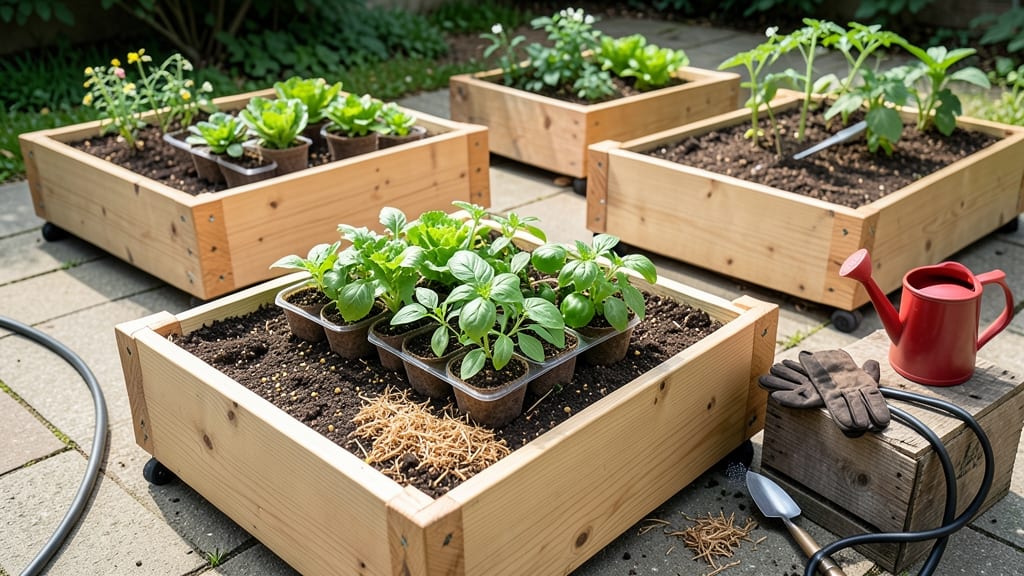
Portable raised garden beds 🌱 are the game-changer for small yards, turning cramped spaces into lush, productive gardens with just a few inches of soil and a little planning.
Struggling to grow your dream garden in a tight backyard? These mobile planters let you rearrange your layout in minutes, chase the sun, or even roll them under a shade cloth when summer heats up.
No more wasted corners or awkward shapes — you’ll discover 5 space-saving layouts that fit balconies, patios, or even a sunny windowsill, all while keeping weeds and pests at bay.
From corner huggers to vertical stacks, I’ll show you how to pick the perfect design, materials, and tools to make your portable garden easier to maintain than ever before.
5 Space-saving portable raised garden bed layouts for small yards
If you're working with limited space but still want a thriving garden, portable raised garden beds are your best friend. These versatile structures maximize growing areas while remaining easy to move and maintain.
Whether you have a balcony, patio, or tiny backyard, these 5 layouts will help you grow more in less space—without sacrificing aesthetics or productivity.
One of my favorite aspects of portable raised beds is their flexibility. You can rotate them to follow the sun, protect them from harsh weather, or even move them indoors during extreme temperatures.
Plus, they reduce bending and strain, making gardening more accessible for everyone. Let’s explore the best layouts for small spaces, complete with dimensions, plant pairings, and mobility tips to get you started.
| Layout Name | Dimensions (L x W x H) | Best For | Plant Pairings | Mobility Tips |
|---|---|---|---|---|
| Corner Pocket | 4' x 2' x 12" | Urban balconies, patios | Lettuce, radishes, herbs | Use casters for easy rotation |
| Vertical Stack | 2' x 2' x 36" (3 tiers) | Sunny balconies, rooftops | Tomatoes, peppers, strawberries | Secure with bungee cords |
| Multi-Level Tier | 3' x 1.5' x 24" (2 levels) | Small backyards, decks | Carrots, onions, basil | Use lightweight materials |
| Window Box Hybrid | 6' x 12" x 10" (long and narrow) | Sunny windowsills, railings | Spinach, chives, thyme | Attach to railings with clips |
| Modular Grid | 2' x 2' x 12" (4-unit grid) | Patios, decks, small yards | Peppers, bush beans, marigolds | Use interlocking connectors |
Let’s dive into each layout to see which one fits your space best. The corner pocket design is perfect for urban balconies, where every inch counts.
Its compact size—4 feet long and 2 feet wide—lets you grow leafy greens like lettuce and radishes alongside herbs such as basil and parsley.
The shallow depth of 12 inches makes it lightweight, so you can easily move it to follow the sun or protect it from rain.
For those with vertical space, the vertical stack layout is a game-changer. This design uses three tiers stacked 12 inches apart, allowing you to grow tomatoes, peppers, and strawberries in a tiny footprint.
The total height of 36 inches makes it ideal for rooftops or tall balconies. Just ensure each tier has proper drainage and that the structure is securely anchored to prevent tipping in windy conditions.
If you’re working with a small backyard or deck, the multi-level tier layout is a fantastic choice. This design features two levels, each 18 inches deep, creating a total height of 24 inches.
The wider base—3 feet long and 1.5 feet wide—gives you room for root crops like carrots and onions alongside bushy herbs like basil and cilantro. The staggered levels also make harvesting easier on your back!
The window box hybrid is ideal if you’re limited to a sunny windowsill or railing. This elongated design—6 feet long and just 12 inches wide—is perfect for growing fast-maturing greens like spinach and
How to choose the best portable raised garden bed materials for durability and mobility
Selecting the right material for your portable raised garden bed can make all the difference in durability, ease of movement, and long-term performance. Since mobility is key, you’ll want something lightweight yet sturdy enough to withstand weather fluctuations and frequent relocations.
Let’s break down the top options to help you decide which fits your needs best.
I’ve tested four popular materials—cedar, composite lumber, metal, and recycled plastic—each offering unique advantages for mobile gardening. Whether you prioritize weight reduction, cost efficiency, or resistance to rot, there’s a perfect match waiting for you.
Portable Raised Garden Bed Materials: Pros & Cons
Cedar
- Pros: Natural, lightweight, rot-resistant, and aesthetically pleasing.
- Cons: Requires seasonal sealing, higher cost than plastic.
Composite Lumber
- Pros: Low-maintenance, weatherproof, and mimics wood appearance.
- Cons: Heavier than plastic, can be expensive for large beds.
Metal
- Pros: Extremely durable, lightweight (if galvanized), and recyclable.
- Cons: Can overheat in sun, may require insulation for roots.
Recycled Plastic
- Pros: Lightweight, affordable, and long-lasting with no maintenance.
- Cons: Less aesthetic appeal, may absorb heat in summer.
If you’re looking for a balance of affordability and mobility, recycled plastic beds are my go-to choice. They’re incredibly lightweight, making them easy to move around your yard or even onto a balcony. Plus, they won’t warp or rot over time, which is a huge plus for long-term use.
For those who prefer a natural look and don’t mind a bit more upkeep, cedar is an excellent option. It’s naturally resistant to decay and adds a rustic charm to any garden. Just remember to seal it annually to protect it from the elements and extend its lifespan.
When durability is your top priority, metal beds are hard to beat. They’re rust-resistant when properly coated and can handle heavy loads. However, they might require additional insulation to protect plant roots from extreme temperatures.
Finally, if you want a low-maintenance solution that still looks attractive, composite lumber is a fantastic middle ground. It combines the best of both worlds—resistance to weather and a wood-like appearance—without the need for sealing or staining.
No matter which material you choose, always consider your garden’s layout and how often you’ll need to move the bed. A lighter material like plastic or metal will save you time and effort, while heavier options like cedar or composite may require a dolly or helper for easy transport. 🌱