
Planting
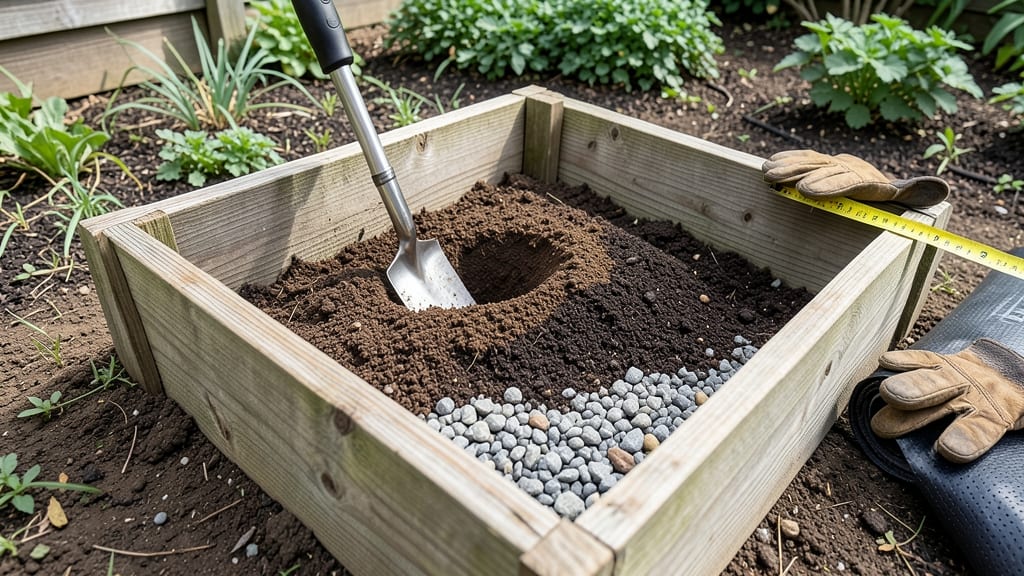
Making raised garden beds 6 to 12 inches deep is the sweet spot for most vegetables and herbs—deep enough for strong roots but not so tall you waste materials.
Picture this: you’ve spent hours building your dream beds, only to watch your carrots and potatoes grow wild above the soil while their roots hit a hard barrier below. That’s the frustration of guessing wrong on depth.
Too shallow, and your plants struggle to anchor themselves. Too deep, and you’re just digging a hole in your wallet (and your back). The right depth balances drainage, soil quality, and root space—without turning your garden project into a backbreaking chore.
In this guide, I’ll break down the exact depth you need for different plants, how to adjust for drainage, and the smartest ways to layer soil so your beds work harder for you—no guesswork required.
Ideal raised garden bed depth for different plant types
When building raised garden beds, depth matters more than you might think. A bed that’s too shallow will stunt root crops like carrots, while one that’s too deep wastes materials and can cause drainage issues.
The key is matching your bed’s depth to the plants you’re growing—whether they’re shallow-rooted herbs or deep-rooted potatoes. Let’s break down the ideal depths for common garden plants and how to adapt your beds for maximum success.
Most vegetables and herbs thrive in beds that are at least 6-12 inches deep. This range accommodates everything from leafy greens to medium-sized roots. However, deep-rooted crops like asparagus or sweet potatoes need extra space—up to 18-24 inches.
The good news? You can customize your beds to fit your specific plants, ensuring healthy growth and bountiful harvests.
Why depth matters: Roots need room to spread and access nutrients. Shallow beds limit growth, while overly deep beds can become waterlogged or compacted. The solution? Layer your soil with a mix of organic matter, compost, and topsoil to create the perfect environment for roots to thrive.
For beginner gardeners, a standard 10-12 inch depth is a safe starting point. It works for most annual vegetables, herbs, and even some perennial flowers.
As you gain experience, you can experiment with deeper beds for specific crops or shallower beds for container-friendly plants like strawberries or lettuce.
| Plant Type | Ideal Depth | Notes |
|---|---|---|
| Shallow-Rooted Plants (lettuce, herbs, radishes) | 6-8 inches | Fast-growing; prioritize soil fertility over depth. |
| Medium-Rooted Plants (tomatoes, peppers, carrots) | 10-12 inches | Balanced depth for most vegetables; add compost for nutrients. |
| Deep-Rooted Plants (potatoes, asparagus, sweet potatoes) | 18-24 inches | Requires loose, well-draining soil; layer with organic matter. |
| Fruiting Plants (strawberries, blueberries) | 8-12 inches | Shallow but needs good drainage; mulch to retain moisture. |
| Perennials (rhubarb, artichokes) | 12-18 inches | Establishes deep roots; amend soil annually for longevity. |
🌱 Pro Tip: For deep-rooted plants, consider two-tiered beds or extended side pockets to save space.
If you’re growing carrots or beets, aim for at least 12 inches of loose soil. These crops need room to grow straight and avoid forking, which happens when roots hit obstacles like rocks or compacted soil.
To prevent this, mix in coarse sand or perlite to keep the soil fluffy and well-aerated.
For potatoes, which are notorious for needing space, a 12-18 inch depth is ideal. As they grow, you can hill up soil around the stems to encourage more tuber formation. This technique works best in deeper beds where you can easily add soil as the plants mature.
Don’t overlook herbs and greens like basil, cilantro, or spinach. These shallow-rooted plants only need 6-8 inches of soil, making them perfect for smaller raised beds or even container gardening.
The focus here should be on soil fertility rather than depth, so prioritize compost and worm castings to keep them thriving.
For asparagus or rhubarb, which are perennial and deep-rooted, invest in a minimum 18-inch depth. These plants will reward you for years, but they need the space to establish strong root systems.
If your existing beds aren’t deep enough, consider planting them in dedicated deep pockets or even in-ground trenches nearby.
One common mistake is assuming that deeper always means better. While deep beds are great for certain crops, they can also lead to poor drainage or excessive moisture if not layered correctly.
Always include a 4-6 inch drainage layer at the bottom using gravel or broken pottery pieces before adding soil.
To maximize your space, consider interplanting shallow and deep-rooted crops. For example, plant radishes (shallow roots) alongside carrots (medium roots) in the same bed. This way, you’re making the most of your raised bed’s depth while ensuring all plants have the room they need to thrive.
Finally, remember that soil quality matters just as much as depth. Even in a deep bed, poor soil will stunt growth. Always use a mix of topsoil, compost, and organic matter to create a nutrient-rich environment.
With the right depth and soil, your raised garden beds will produce healthy, vibrant plants all season long.
How to adjust raised garden bed depth for better drainage & soil quality
Adjusting your raised garden bed depth isn't just about fitting your favorite plants—it's about creating the perfect environment for their roots. Too shallow, and your carrots or potatoes will struggle to develop fully.
Too deep, and you might waste materials while creating unnecessary work. The key lies in balancing drainage, soil aeration, and root space for optimal plant health.
Most gardeners aim for a minimum depth of 6 inches, but this can vary based on what you're growing. For example, shallow-rooted plants like lettuce or herbs thrive in 6-12 inches, while deep-rooted crops such as asparagus or sweet potatoes need 18-24 inches.
The good news? You can always adjust depth by layering materials strategically to improve soil quality and drainage without digging deeper.
Don't assume deeper always means better. Over-deepening beds can lead to poor drainage at the bottom, while too-shallow beds restrict root growth. Instead, focus on soil layering—combine gravel, sand, and organic matter to create the perfect growing medium. For most vegetables, 12-18 inches is ideal, but always tailor depth to your plants' needs.
To improve drainage in your raised bed, start with a 2-3 inch layer of gravel or coarse sand at the bottom. This prevents waterlogging while allowing excess moisture to escape. Next, add a 4-6 inch layer of organic matter, like compost or well-rotted manure, to enrich the soil.
This layer also helps break up soil compaction over time, giving roots room to expand.
For heavy clay soils, mix in perlite or vermiculite to improve aeration. These lightweight additives create air pockets, preventing roots from suffocating. If your bed feels too compacted after planting, gently loosen the top 6 inches of soil with a garden fork.
This simple step can make a huge difference in root development and nutrient uptake.
Don’t forget about mulching! A 2-3 inch layer of straw or wood chips on top of your bed helps retain moisture, suppress weeds, and regulate soil temperature. Over time, mulch breaks down, adding organic matter back to the soil.
For container gardens or smaller beds, consider using hydrogel crystals to boost water retention without compacting the soil.
If you're growing root vegetables like beets or radishes, ensure the soil is loose and free of rocks to prevent deformities. For perennial plants or shrubs, deeper beds (18+ inches) give roots a head start in establishing themselves.
Always test your soil’s drainage by filling a hole with water—if it drains within an hour, you’re on the right track!
Remember, the best raised garden bed depth depends on your plants, climate, and soil type. Start with a 12-inch minimum, adjust layers for drainage, and monitor your plants' progress. With the right depth and soil mix, you’ll see healthier roots, better yields, and happier plants all season long. 🌱