
Watering
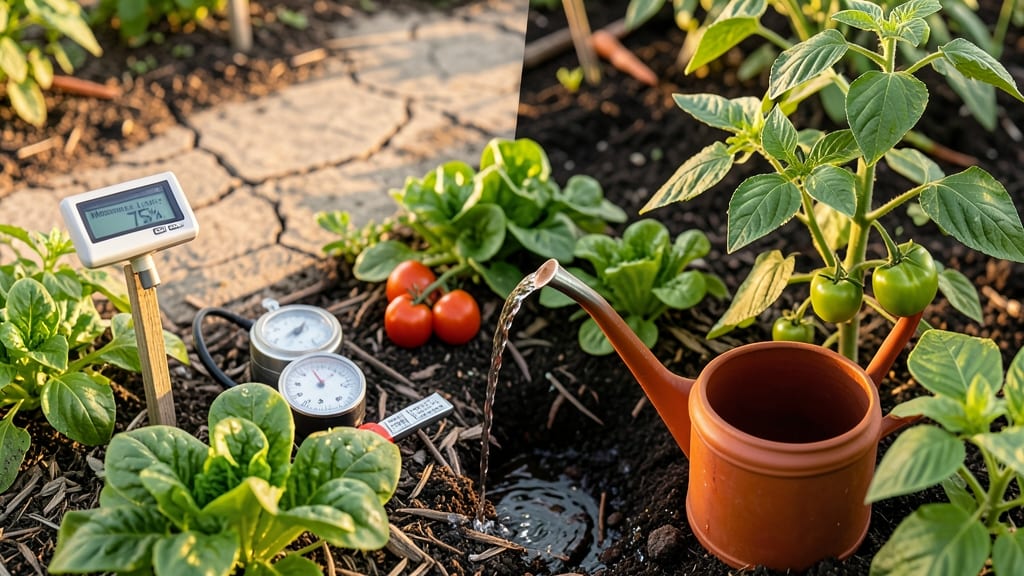
Watering your vegetable garden every day is a common mistake that can drown roots and invite pests—most plants thrive with deep, infrequent watering instead.
Overwatering your vegetable garden can be just as damaging as underwatering—yet many gardeners fall into the trap of daily watering without realizing the hidden risks.
From wilting lettuce to stunted tomatoes, the signs of overwatering are often mistaken for thirst. The truth? Your 🥬 garden’s needs shift with the season, soil type, and even the weather forecast.
Below, I’ll break down the science of smart watering—when to adjust your schedule, how to check soil moisture without guesswork, and the plant-specific rules that save time and water.
Signs your vegetable garden needs water (not daily watering)
Your vegetable garden doesn't need a rigid daily watering schedule—instead, it thrives on consistent moisture tailored to its specific needs. Many gardeners mistakenly assume frequent watering equals healthier plants, but this can lead to root rot, nutrient leaching, and fungal diseases.
The key is understanding when your plants truly need hydration and how to provide it efficiently.
Before reaching for the hose, check for these visual and tactile cues that indicate your garden is thirsty—not just because it's been a few days. Wilted leaves (especially in the afternoon) are the most obvious sign, but dry soil 1-2 inches below the surface is the real indicator.
Different vegetables have varying tolerance levels, so don't treat your entire garden as one unit.
Here's where most gardeners go wrong: they assume all vegetables need the same watering frequency. In reality, leafy greens like lettuce can handle more frequent shallow watering, while root crops like carrots need deep, infrequent soaking to prevent splitting.
Understanding these differences prevents both underwatering and overwatering—two extremes that stress plants equally.
Soil type plays a massive role in watering needs. Sandy soils drain quickly and may need watering every 2-3 days, while clay soils hold moisture longer and might only require watering every 5-7 days. Even within the same garden, microclimates can create variations—so test multiple spots before deciding on a schedule.
| Plant Type | Signs of Thirst | Ideal Watering Depth | Frequency |
|---|---|---|---|
| Leafy Greens (Lettuce, Spinach) | Wilted leaves, dry soil surface | 1 inch topsoil | Every 2-3 days |
| Root Crops (Carrots, Beets) | Wilting, dry 2 inches down | 2-3 inches deep | Every 5-7 days |
| Tomatoes & Peppers | Drooping leaves, dry soil 1-2 inches down | 1-2 inches deep | Every 3-4 days |
| Herbs (Basil, Cilantro) | Crispy leaf edges, dry topsoil | ½ inch topsoil | Every 1-2 days |
| Corn & Peas | Wilting, dry 1-2 inches down | 1-2 inches deep | Every 4-5 days |
One of the biggest mistakes I see is watering based on a calendar rather than plant needs. For example, during hot summer days, your garden might need watering every 2-3 days, while cool spring mornings could extend that to every 5-7 days.
Always check the soil before watering—stick your finger 1-2 inches deep. If it feels dry, it's time to water.
Overwatering creates a soggy soil environment that suffocates roots and invites fungal diseases like powdery mildew. Look for yellowing leaves, mushy stems, or white fuzz on foliage—these are red flags.
Even worse, excess water leaches nutrients from the soil, leaving your plants malnourished despite your efforts. A quick fix? Improve drainage with organic mulch or raised beds.
Another critical factor is watering time. Morning watering (before 10 AM) gives plants time to absorb moisture and dry out before evening, reducing fungal risks. Avoid evening watering, which keeps foliage damp overnight—a fungal magnet.
If you must water in the evening, use drip irrigation to target roots directly rather than wetting leaves.
Don't ignore the weather forecast when planning your watering schedule. A light rain (¼ inch or less) might postpone watering for a day or two, while a heavy downpour could mean your garden needs a pause entirely.
Always adjust based on actual rainfall, not assumptions. A simple rain gauge or even a tuna can left in the garden can help track precipitation accurately.
Finally, pay attention to plant growth stages. Seedlings need gentle, frequent moisture to establish roots, while mature plants can handle deep, infrequent watering.
For example, tomato seedlings might need daily watering for the first 2 weeks, but mature tomato plants thrive with deep watering every 3-4 days. Tailoring your approach to each growth phase maximizes efficiency and plant health.
Remember, the goal isn't to water every day—it's to water smartly. By observing your plants, testing soil moisture, and adjusting for weather and plant type, you'll create a thriving garden that's both productive and sustainable. 🌱💧☀️
The ideal watering schedule for different vegetables (by type and climate)
Daily watering isn't always the best approach for your vegetable garden. In fact, many plants thrive with less frequent but deeper watering. The key is understanding your plant types and climate conditions to avoid overwatering while keeping roots hydrated.
For example, leafy greens like lettuce need consistent moisture, while root vegetables such as carrots prefer drier soil to prevent splitting. Let's break down the science-backed schedules to keep your garden healthy without wasting water.
Your local climate plays a huge role in watering frequency. In hot, dry climates, you might need to water daily during peak summer months, but in cool, moist climates, every 3-5 days could be sufficient.
Even within the same region, soil type matters—sandy soil drains quickly, while clay holds moisture longer. Always check the top 1-2 inches of soil before watering; if it's dry, it's time to hydrate.
- Leafy Greens (Lettuce, Spinach, Kale): Water every 1-2 days in hot climates, every 2-3 days in cool weather. Keep soil consistently moist but not soggy.
- Root Crops (Carrots, Potatoes, Beets): Water every 3-4 days. Let soil dry slightly between waterings to prevent forked roots or rot.
- Tomatoes & Peppers: Deep water every 2-3 days in heat, every 4-5 days in cooler months. Focus on root zone to encourage strong growth.
- Herbs (Basil, Parsley, Cilantro): Water every 1-2 days in containers (dries faster), every 3 days in garden beds. Avoid wetting foliage to prevent disease.
- Climate Adjustments:
- Hot/Dry (e.g., Desert): Water early morning to reduce evaporation.
- Cool/Moist (e.g., Pacific Northwest): Reduce frequency; let soil dry 50% between waterings.
For tomatoes and peppers, deep watering is critical. These plants have extensive root systems and benefit from 1-2 inches of water per week, delivered at the base rather than overhead.
Shallow watering encourages weak roots and increases disease risk. I’ve found that using a soaker hose or drip irrigation system makes this easier and more efficient, especially during summer heatwaves.
Herbs like basil and parsley are often overlooked but have specific needs. Container-grown herbs dry out faster, so check soil moisture daily in extreme heat. If the topsoil feels dry, water thoroughly until it drains from the bottom.
Overwatering herbs can lead to root rot, so always ensure pots have drainage holes. In cooler climates, herbs can go 3-4 days between waterings without stress.
One common mistake I see is assuming all vegetables need the same care. For instance, carrots and beets will split or crack if overwatered, while lettuce bolts (goes to seed) if it dries out.
Tailoring your watering schedule to the plant type and growth stage—like young seedlings needing more frequent watering than mature plants—makes a world of difference. Always observe your plants for signs of stress, such as wilting leaves or yellowing, which can signal over- or underwatering.
Remember, the goal is consistent moisture, not daily watering. By adjusting your schedule based on plant needs and weather conditions, you’ll save water, reduce waste, and grow healthier vegetables. Start with these guidelines, then fine-tune as you learn your garden’s unique rhythm.