
Blooming
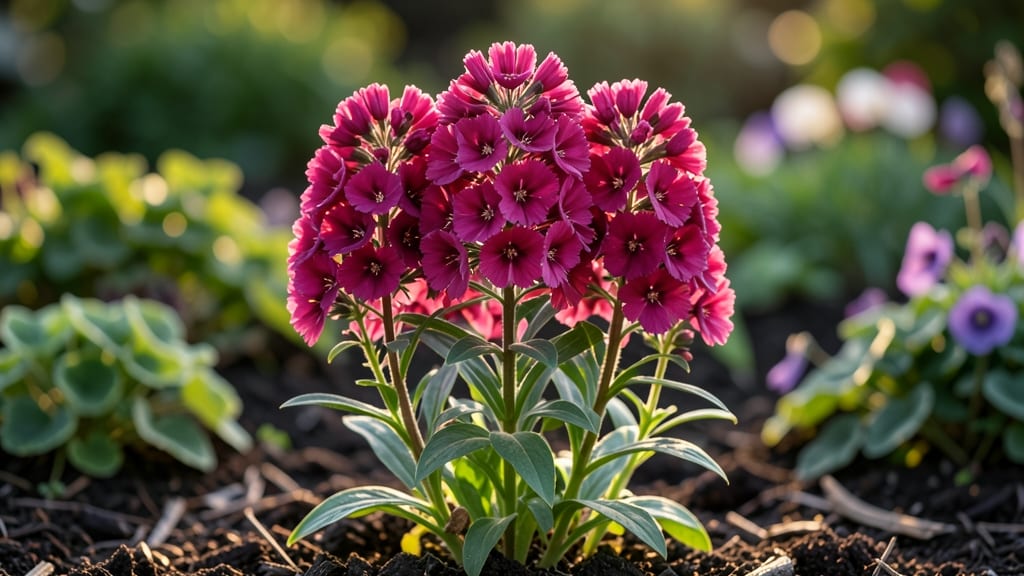
Garden phlox bloom from late spring through summer 🌸, with the exact timing depending on your zone and variety.
If you’ve ever wondered why your garden phlox seems to vanish and reappear like magic, you’re not alone—timing is everything when it comes to these vibrant bloomers. Knowing exactly when garden phlox bloom helps you plan for their stunning displays, from early summer showstoppers to late-season color bursts.
In USDA Zone 6a, most varieties kick off in June, peaking in July, while cooler regions may see blooms start as early as May. Warmer climates can push flowering into August, giving you a longer season of color.
The key to extending that bloom? Deadheading spent flowers and keeping soil moist without overwatering.
Below, I’ll break down the month-by-month timeline, regional tweaks, and simple care tricks to keep your phlox blooming longer. Whether you’re a first-time gardener or a seasoned pro, these tips will help you maximize your phlox’s show-stopping potential.
Garden phlox bloom timeline: month-by-month flowering guide
Garden phlox (Phlox paniculata) transforms summer gardens into fragrant, colorful havens, but their bloom timing varies dramatically by USDA zone and variety.
In cooler climates like zones 3-5, phlox often kick off their show in late June, while warmer regions (zones 6-9) may see buds opening as early as May.
Understanding these patterns helps you select varieties that align with your local frost dates and extend your garden's seasonal interest.
Phlox blooms typically unfold over a 6-8 week window, with peak color lasting 2-3 weeks if properly cared for. Early bloomers like 'David' or 'Jeana' may start in June, while late-season varieties like 'Lipstick' or 'Blue Paradise' can extend into September.
The key to maximizing their display lies in recognizing bud formation cues—swollen stems and tight clusters signal the imminent burst of color.
| USDA Zone | Bloom Start | Peak Bloom | Bloom End | Key Varieties |
|---|---|---|---|---|
| Zones 3-4 | Late June | July | Early August | 'David', 'Jeana', 'White Delight' |
| Zones 5-6 | Early June | June-July | Late August | 'Lipstick', 'Blue Paradise', 'Pink Flamingo' |
| Zones 7-8 | May | May-June | September | 'Blue Moon', 'Callie', 'David' |
| Zones 9 | April-May | May-June | October | 'Esther', 'Mourndown', 'Nan Blue' |
In zones 3-4, where summers are short, phlox often bloom in a single flush during July, making early planting and deadheading critical. Meanwhile, gardeners in zones 5-6 enjoy a more extended show, with some varieties reblooming if spent flowers are removed promptly.
The southern regions (zones 7-9) experience the longest bloom periods, with phlox often gracing gardens from May through September—a boon for late-season color.
Watch for bud formation in May-June across most zones, as this signals the start of the bloom cycle. Buds typically appear as tight, rounded clusters along the stems. In cooler climates, these may not open until late June, while warmer zones see buds unfurling as early as May.
The peak bloom period—when flowers are at their most vibrant—usually lasts 2-3 weeks, but can stretch to 4-6 weeks with proper care like deadheading and consistent watering.
Phlox varieties fall into three broad bloom categories: early, mid, and late-season. Early bloomers like 'David' and 'Jeana' are ideal for zones 3-5, where they provide color when few other perennials are in full bloom.
Mid-season varieties such as 'Lipstick' and 'Blue Paradise' thrive in zones 5-8, offering a July-August spectacle. Late bloomers like 'Blue Moon' extend the season into September-October, perfect for zones 7-9. Choosing the right mix ensures your garden stays lively from June through fall.
Climate plays a pivotal role in bloom timing. In humid southern zones (7-9), phlox may bloom earlier but require good air circulation to prevent powdery mildew. Conversely, dry western zones often see later blooms due to slower spring warming.
Always account for your last frost date when selecting varieties—planting too early in cold zones can delay blooming, while late planting in warm zones may shorten the display.
For a prolonged bloom, focus on deadheading spent flowers immediately after they fade. This encourages the plant to produce new buds, often extending the season by 2-4 weeks. Pair this with regular feeding in May and June using a balanced 10-10-10 fertilizer to support robust growth.
Mulching around the base also helps retain moisture, which is crucial during the peak bloom period when water demands rise.
If your phlox fails to bloom, check for overcrowding or poor sunlight—both can stunt flower production. Phlox needs full sun to partial shade (6+ hours of light daily) and well-draining soil.
Amending heavy clay with compost can improve drainage and encourage stronger stems. In shady gardens, opt for dwarf varieties like 'Nan Blue', which tolerate lower light better than taller types.
Plan your garden layout around phlox's bloom timeline by pairing early varieties with late-spring bloomers like peonies, and late phlox with fall asters or chrysanthemums. This creates a continuous color cascade from June through October, ensuring your garden remains a vibrant focal point all season long.
🌸
How to extend phlox blooming season: pruning and care tips
Phlox are famous for their vibrant clusters, but their blooming season can feel short if you don’t take the right steps. I’ve learned that proper pruning and consistent care can extend those colorful displays by 3-4 weeks—sometimes even longer!
The key lies in understanding when garden phlox bloom and how to nurture them through their natural cycle.
Most phlox varieties bloom from mid-summer to early fall, but with the right techniques, you can push those blooms into late September or October. The first step? Deadheading—removing spent flowers—triggers new blooms by redirecting the plant’s energy.
But timing matters: do it too early, and you might stunt growth; too late, and you miss the chance to prolong flowering.
Here’s a simple, step-by-step guide to maximize your phlox’s bloom time, from pruning to fertilizing:
Step-by-Step Phlox Care for Extended Blooms
- 1 Deadhead regularly: Snip off spent flower clusters down to the first set of healthy leaves. Do this every 2-3 days during peak bloom to encourage reblooming.
- 2 Prune after blooming: Once flowers fade completely, cut back 1/3 of the plant’s height to promote bushier growth. This is especially critical for tall garden phlox (Phlox paniculata).
- 3 Fertilize lightly in spring: Use a balanced 10-10-10 fertilizer at the start of growth (April-May). Avoid heavy feeding in late summer, as it can reduce fall blooms.
- 4 Water deeply but infrequently: Aim for 1 inch of water per week, focusing on the root zone. Morning watering prevents fungal diseases like powdery mildew, which can shorten bloom time.
- 5 Mulch for moisture retention: Apply 2-3 inches of mulch around the base to keep soil cool and retain moisture. This is especially helpful in hot, dry climates where phlox may struggle.
- 6 Choose the right location: Plant phlox in full sun to partial shade. Too much shade delays blooming, while 6+ hours of sunlight ensures vibrant, long-lasting flowers.
Light exposure plays a huge role in when garden phlox bloom. For example, Phlox drummondii (annual phlox) thrives in full sun and blooms earlier (May-June), while Phlox paniculata (perennial) prefers partial shade and blooms later (July-September).
If your phlox are struggling to rebloom, check their light conditions—too much shade can delay or reduce flowering.
One common mistake I see is over-pruning. If you cut back phlox too aggressively in late summer, you might remove next year’s flower buds, which form on new growth.
Instead, wait until after the first frost to do a clean-up prune, leaving 6-8 inches of stem to protect the plant through winter.
With these tips, you’ll turn your phlox into a late-season star, keeping your garden vibrant well into fall. The secret? Stay consistent with care, and your phlox will reward you with weeks of extra color—because who doesn’t love a garden that stays beautiful longer? 🌸