
Blooming
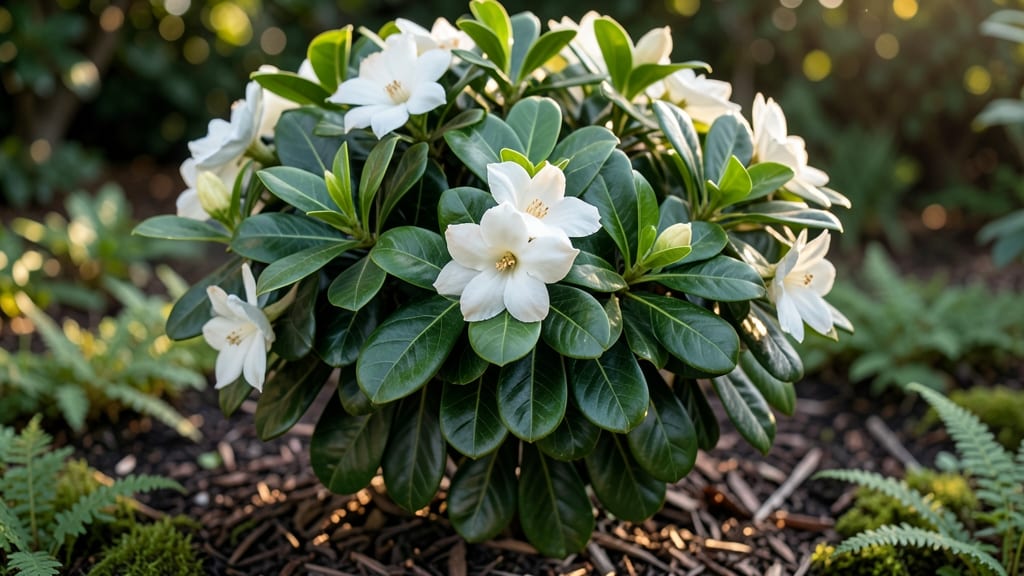
Gardenia bushes bloom in late spring to summer 🌸, but the exact timing depends on your climate and the variety you’ve planted.
Picture this: the first whiff of that intoxicating, creamy fragrance drifting through your garden on a warm afternoon.
That moment is what every gardener waits for — and knowing when to expect it means you can plan your layout, deadhead spent blooms, and even adjust care to coax out more flowers.
In warmer zones like 9b, gardenias often start flowering as early as March, while cooler regions may see blooms push into June.
Some varieties, like the classic Gardenia jasminoides, are reliable spring performers, but others, such as Radicans, might stretch their show into early fall with the right conditions.
Here’s the secret: sunlight, soil acidity, and even a little strategic pruning can shift your blooming window by weeks.
I’ll break down how climate, care, and variety work together to determine when your gardenia puts on its best perfume-filled display — and how to make sure it happens on your schedule.
Gardenia bloom seasons by variety: when to expect fragrance
If you're waiting for your gardenia bushes to burst into fragrant blooms, timing is everything. Different varieties have unique bloom cycles, and even USDA zones can shift those windows. In my experience, gardenias thrive in zones 8-11, with some varieties offering year-round fragrance in warmer climates.
Let's dive into the bloom seasons for popular gardenia types so you can plan your garden's aromatic highlights.
Most gardenias prefer warmth and humidity to trigger blooming, but their exact timing varies. For example, Gardenia jasminoides (the classic fragrant gardenia) typically blooms in late spring to early summer in cooler zones, while tropical varieties like Gardenia fortuniana may flower year-round in USDA zone 11.
Understanding these differences helps you choose the right variety for your climate and enjoy continuous fragrance.
A quick reference table below breaks down the bloom seasons for popular gardenia varieties, including regional adjustments. This will help you set expectations and troubleshoot if your gardenia isn't following the schedule.
For instance, early bloomers like Radicans may surprise you with winter flowers, while late bloomers like Veitchii shine in summer's heat.
| Variety | Primary Bloom Season | USDA Zones 8-9 | USDA Zones 10-11 | Notes |
|---|---|---|---|---|
| Gardenia jasminoides | Late spring to early summer | May-July | Year-round (peaks spring-fall) | Classic fragrant variety; needs partial shade |
| Gardenia fortuniana | Summer to early fall | June-September | Year-round | Larger blooms; drought-tolerant once established |
| Gardenia radicans | Early spring to late winter | February-April | Winter-spring | Climbing variety; early bloomer |
| Gardenia veitchii | Mid to late summer | July-September | Summer-fall | Heat-loving; thrives in full sun |
| Gardenia augusta | Spring to early summer | April-June | Spring-summer | Compact; great for containers |
In USDA zones 8-9, gardenias often follow a more defined seasonal pattern. For example, Gardenia jasminoides blooms from May to July, aligning with warmer temperatures. In contrast, Gardenia radicans surprises gardeners with winter blooms (February-April), making it a standout for early fragrance.
If you live in these zones, plan to enjoy 2-3 months of blooms per variety, with some overlap if you mix types.
For those in USDA zones 10-11, the rules change dramatically. Many gardenias bloom year-round, though they may peak during spring and fall. Gardenia fortuniana, for instance, thrives in these climates and can produce continuous fragrance with minimal care.
If you're in a tropical zone, consider planting multiple varieties to ensure a non-stop floral display.
One of my favorite tricks for extending bloom seasons is light pruning after flowering. By trimming back spent blooms and shaping the plant, you encourage new growth that often leads to a second flush of flowers later in the season.
This works especially well for Gardenia jasminoides in cooler zones, where a light pruning in early summer can trigger fall blooms.
If your gardenia isn't following the schedule, don't panic. Factors like soil pH (ideal: 5.0-6.5), water consistency, and sunlight exposure can delay blooming. For instance, over-fertilizing with nitrogen promotes leafy growth but stops flowers.
Always use a balanced acid-loving fertilizer (like 8-4-8 NPK) to encourage blooms. In my garden, I've seen Gardenia veitchii bloom 2 months earlier after adjusting the soil pH and reducing afternoon sun.
For container gardeners, root-bound plants often delay blooming. If your potted gardenia isn't flowering, it might need repotting or root pruning. I repotted a Gardenia augusta last spring, and within
How climate and care affect gardenia blooming times
Your gardenia’s blooming schedule isn’t set in stone—it’s influenced by climate factors and your care routine. In tropical zones (USDA 10-11), these fragrant shrubs often bloom year-round, while cooler climates (USDA 8-9) see peak flowering from late spring to summer.
Understanding these triggers helps you advance or extend your gardenia’s fragrance season.
One of the biggest influences is sunlight exposure. Gardenias thrive with morning sun and afternoon shade, but too much direct sun can stress the plant, delaying blooms. In humid climates, like Florida or Hawaii, they may flower more prolifically due to the natural moisture in the air.
Meanwhile, dry conditions can cause buds to drop before opening, shortening your blooming window.
Soil pH levels play a critical role too. Gardenias demand acidic soil (pH 5.0-6.5)—if your soil is alkaline, roots struggle to absorb nutrients, stunting growth and reducing flower production.
Even over-fertilizing with alkaline amendments can throw off the balance, leading to fewer blooms. Regular soil testing ensures optimal conditions for flowering.
✅ Encourages Earlier Blooms
- Morning sun (4-6 hours)
- Acidic soil (pH 5.0-6.5)
- Light pruning in early spring
- Consistent moisture (not soggy)
❌ Delays or Reduces Blooms
- Afternoon sun exposure
- Alkaline soil (pH >7.0)
- Heavy pruning after blooming
- Drought stress or overwatering
Pro Tip: Prune gardenias right after blooming to shape the plant without sacrificing next year’s flowers. Use clean, sharp shears to avoid disease.
Pruning is another game-changer for timing. If you prune too late in the season, you risk cutting off next year’s flower buds. Instead, trim lightly after blooming to encourage bushier growth and more flowers.
For container gardenias, regular pruning helps maintain size but may slightly delay blooms if done aggressively.
Humidity levels also matter—low humidity can cause buds to dry out before opening. In arid climates, misting leaves or using a humidifier near potted plants can help. For outdoor gardenias, mulching around the base retains moisture and keeps roots cool, which supports healthier blooming cycles.
To extend your gardenia’s blooming season, start with proper planting conditions and maintain them year-round. Monitor your plant’s response to your care routine—if buds form but drop, it’s often a sign of stress from environmental factors.
With the right balance of sun, soil, and water, you can enjoy gardenia fragrance for months, not just weeks.