
Fertilization
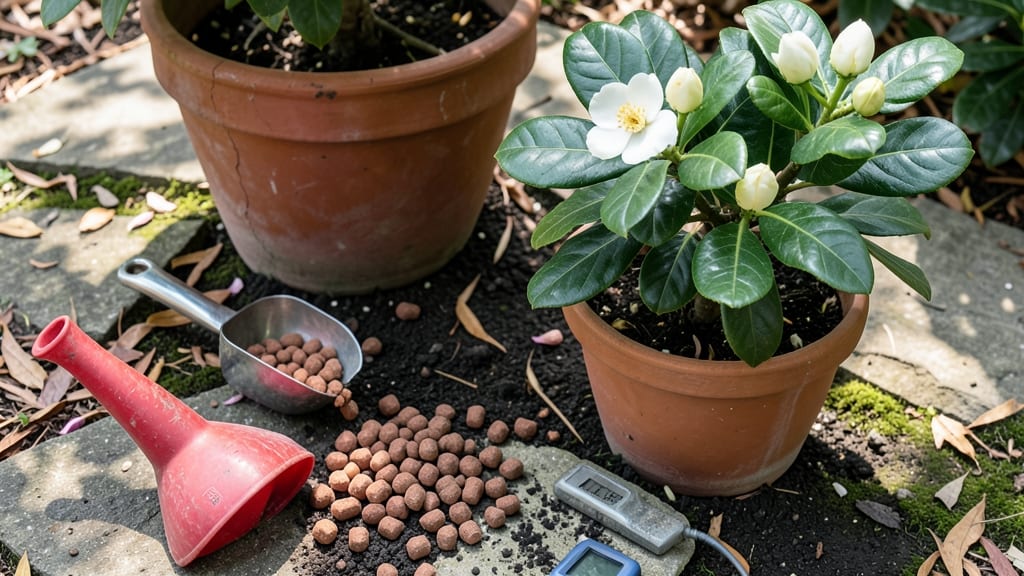
You fertilize gardenias in early spring and again in mid-summer to fuel those fragrant 🌸 blooms, but timing is everything—too soon or too late, and you’ll end up with weak growth or no flowers at all.
Struggling to keep your gardenias blooming as beautifully as they did last year? The secret might be simpler than you think—timing your fertilizer applications correctly can make all the difference.
In USDA Zone 9b and warmer climates, the best windows are February–March for spring growth and June–July for summer blooms. Skip fertilizing in fall and winter, when gardenias naturally slow down.
Below, I’ll walk you through the exact schedule, the right fertilizer types, and how to avoid overdoing it—so you can enjoy those glossy leaves and intoxicating blooms year after year.
Best times to fertilize gardenias for optimal growth and blooms
If your gardenias look less vibrant or produce fewer blooms than before, the timing of your fertilizer might be the culprit. Gardenias thrive when fed during their active growing phases, specifically in early spring and late summer.
These windows align with their natural growth cycles, ensuring lush foliage and abundant flowers. Skipping fertilization during other times can prevent stress and overfeeding.
Gardenias are acid-loving plants that need a balanced approach to fertilization. Overfeeding can lead to burned roots or reduced blooming, while underfeeding starves them of essential nutrients.
The key is to fertilize when the plant is actively growing—not during dormancy or extreme heat. Let’s break down the best times and why they matter.
| Season | Best Time to Fertilize | Why It Matters | Fertilizer Type |
|---|---|---|---|
| Spring (March-April) | Early spring, after last frost | Stimulates new growth and bloom buds | Slow-release acidic fertilizer (8-3-9 NPK) |
| Late Summer (August-September) | After blooming season, before dormancy | Encourages root strength for winter | Balanced fertilizer (10-10-10 NPK) |
| Fall (October-November) | Avoid fertilizing | Plant enters dormancy; feeding stimulates weak growth | None |
| Winter (December-February) | Avoid fertilizing | Plant is dormant; no nutrient uptake | None |
Spring is the most critical time to fertilize gardenias because it kickstarts their growth cycle. After winter dormancy, your plants need nutrients to produce new leaves and bloom buds.
Apply a slow-release acidic fertilizer in early spring (March-April) to avoid shocking the roots. This timing ensures your gardenias have the energy to bloom beautifully by summer.
In late summer, after the main blooming season, gardenias benefit from a light feeding to strengthen their roots. This prepares them for winter dormancy and ensures they bounce back vigorously in spring.
Use a balanced fertilizer (like 10-10-10) to support overall health without overstimulating growth before cold weather sets in.
Fall and winter are not the time to fertilize gardenias. During these seasons, your plants enter a dormant phase, and feeding can lead to weak, vulnerable growth or even root burn.
Instead, focus on mulching and watering adjustments to protect your gardenias from frost and dry conditions. This patience pays off when spring arrives.
Climate plays a role in fertilization timing. In warmer climates (USDA Zones 8-10), gardenias may have a longer growing season, so you can extend feeding into early fall.
However, always avoid fertilizing within 4-6 weeks of frost to prevent damage. If you’re in a cooler zone (Zones 7 and below), stick strictly to spring and late summer feeding.
For potted gardenias, fertilization timing is similar, but adjust the amount based on pot size. Use half the recommended dose of fertilizer to prevent salt buildup in the soil.
Always water thoroughly after applying fertilizer to help nutrients reach the roots and avoid burning the foliage. This is especially important in containers where drainage is limited.
One common mistake is fertilizing gardenias too frequently or with the wrong type of fertilizer. Gardenias prefer acidic, slow-release fertilizers designed for azaleas or camellias. Avoid high-nitrogen fertilizers, which promote leafy growth at the expense of blooms. Stick to a balanced or phosphorus-rich formula to encourage flowering.
To maximize blooms, pair fertilization with proper watering and pruning. After feeding, water your gardenias deeply and consistently to help nutrients absorb. Prune spent blooms in late winter or early spring to stimulate new growth and shape your plants.
This combo of timely feeding, watering, and pruning ensures your gardenias stay healthy and prolific.
If your gardenias still struggle to bloom despite proper fertilization, check their soil pH. Gardenias thrive in acidic soil (pH 5.0–6.0). If your soil is too alkaline, nutrients become unavailable, even if you’re fertilizing correctly.
Test your soil and amend it with peat moss or sulfur if needed. Happy, healthy soil leads to happy, blooming gardenias!
How to choose the right fertilizer for gardenias
Choosing the perfect fertilizer for your gardenias can feel overwhelming with so many options available. The key lies in understanding whether organic or synthetic fertilizers work best for these acid-loving shrubs.
Gardenias thrive with acidic soil (pH 5.0–6.0) and need nutrients that support both foliage growth and blooming. Let’s break down the best choices to keep your gardenias lush and fragrant.
Gardenias respond best to fertilizers with a balanced NPK ratio of 8-3-9 or 10-10-10, specifically formulated for acid-loving plants. The higher phosphorus (middle number) encourages vibrant blooms, while the potassium (last number) strengthens disease resistance.
Avoid high-nitrogen fertilizers, which can lead to leafy growth at the expense of flowers. Always opt for slow-release formulas to prevent nutrient spikes that stress the plant.
Organic fertilizers like fish emulsion, composted manure, or cottonseed meal are excellent for gardenias because they gradually release nutrients and improve soil structure. These options also help maintain the acidic environment gardenias love.
Synthetic fertilizers, on the other hand, offer precise nutrient control and faster results, making them ideal for quick corrections during the growing season. Both types have their place, but the choice often depends on your gardening philosophy and time commitment.
⚠️ pros cons box ⚠️
✅ Pros:
- Gradual nutrient release
- Improves soil health
- Maintains acidic pH
- Eco-friendly options
❌ Cons: - Slower results
- Requires more frequent applications
- Can attract pests if overused
✅ Pros:
- Precise nutrient control
- Fast-acting results
- Easy to measure
- Long shelf life
❌ Cons: - Risk of over-fertilization
- Can alter soil pH if misused
- Less beneficial for soil structure
When applying fertilizer, always follow the "little and often" rule. Start with half the recommended dose and monitor your gardenias for signs of stress, like yellowing leaves or leaf drop. Apply fertilizer in the early morning to avoid burning the roots, especially in hot climates.
Water thoroughly after application to help nutrients penetrate the soil and prevent salt buildup. For potted gardenias, dilute the fertilizer to half-strength to avoid overwhelming the roots in confined spaces.
One common mistake is fertilizing during dormancy (fall/winter), which can stimulate unwanted growth. Gardenias enter a semi-dormant state in cooler months, so hold off on feeding until early spring, when new growth begins.
If you notice sparse blooms or weak stems, it might be time to adjust your fertilizer routine. A soil test every 2-3 years ensures you’re providing the right nutrients without overdoing it.
For the best results, combine your fertilizer with mulch (pine bark or pine needles) to maintain acidic soil conditions. This natural approach mimics gardenias’ native environment and reduces the need for frequent fertilizer applications.
Whether you choose organic or synthetic, consistency is key—your gardenias will reward you with glossy leaves and abundant blooms all season long. 🌸