
Picking
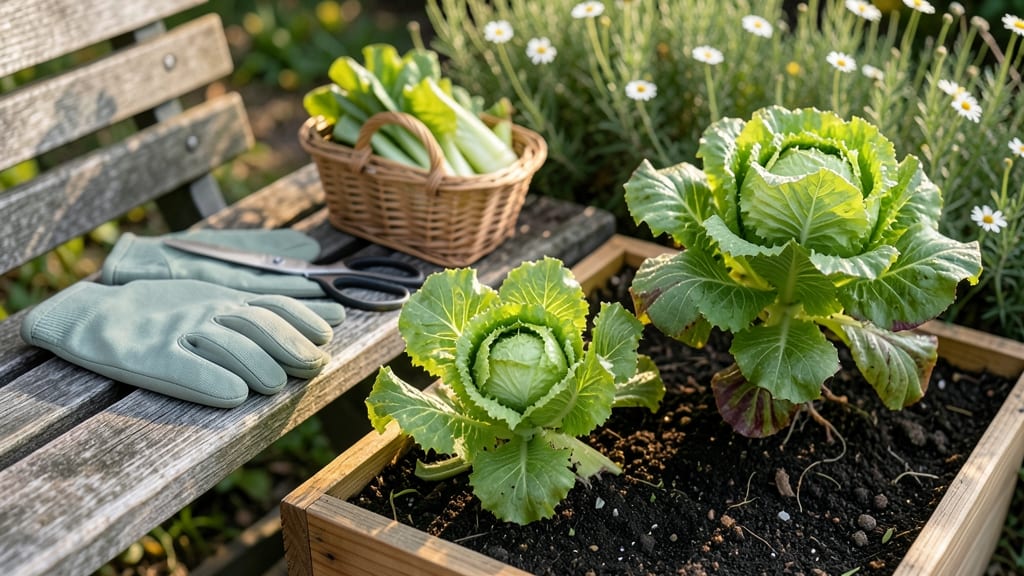
Garden lettuce is ready to pick when leaves reach 4–6 inches and snap crisply at the stem—this is the sweet spot for flavor and texture.
Picture this: you’ve nurtured your 🥬 all spring, and now the moment of truth arrives. One wrong cut, and you’re left with limp, bitter leaves or a bolted plant.
The secret? Knowing the exact leaf size checks and firmness cues that signal peak harvest time—whether you’re growing butterhead, romaine, or loose-leaf varieties.
Too early, and your lettuce tastes bland; too late, and it bolts into flower stems. In Zone 6a, timing matters even more—spring and fall harvests demand different attention. Below, I’ll break down the three key visual cues to nail your harvest window every time.
Skip the guesswork and learn how to test maturity without overharvesting, plus how to encourage regrowth for a continuous supply of crisp, homegrown greens.


3 Leaf size checks to determine lettuce harvest readiness
Knowing exactly when to harvest your garden lettuce can mean the difference between crisp, flavorful leaves and bitter, overmature ones. The key lies in three simple leaf size checks that vary slightly depending on whether you're growing butterhead, romaine, or loose-leaf varieties.
Each type has unique maturity signals, so let's break down what to look for to avoid common harvesting mistakes.
First, consider the leaf length—this is your primary indicator. For loose-leaf varieties, individual leaves should reach 4-6 inches in length before harvesting. These varieties are more forgiving, allowing you to pick leaves as they mature without harming the plant.
In contrast, head lettuce (like romaine or iceberg) should form a compact, firm head with leaves spanning 6-12 inches total length.
Next, examine the leaf firmness. Ready-to-harvest lettuce leaves should feel crisp and sturdy when gently squeezed. If the leaves collapse or feel soft, they're not mature enough. Overmature lettuce, on the other hand, may develop a woody stem or hollow core, which ruins the texture.
Test this by bending a leaf—it should snap cleanly rather than bend easily.
Finally, check the color consistency. Vibrant, deep hues—like rich green for romaine or buttery yellow-green for butterhead—indicate maturity. Pale or uneven coloring suggests the lettuce needs more time in the soil.
Avoid harvesting if leaves show signs of yellowing edges or browning tips, as these can signal stress or nutrient deficiencies.
| Lettuce Type | Leaf Size Check | Firmness Test | Color Indicator | Harvest Time |
|---|---|---|---|---|
| Loose-Leaf | 4-6" leaves | Crisp, no soft spots | Deep green, uniform | 30-45 days |
| Butterhead | 6-8" head diameter | Firm, no hollow core | Buttery yellow-green | 45-60 days |
| Romaine | 8-12" tall, upright | Sturdy, crisp ribs | Rich green, no browning | 50-60 days |
For loose-leaf varieties, you can begin harvesting as soon as the first few leaves reach 4 inches. This method encourages continuous growth, giving you a steady supply. Simply snip the outer leaves with a clean pair of scissors or your fingers, leaving the inner leaves to keep growing.
This technique works especially well in container gardens where space is limited.
When harvesting head lettuce, wait until the entire head feels compact and heavy for its size. Gently grasp the base of the head and twist or cut it cleanly with a sharp knife.
Avoid pulling leaves individually, as this can damage the plant. If you notice the head starting to loosen or split, it’s past its prime and should be harvested immediately to prevent bolting.
Timing your harvest correctly also depends on seasonal conditions. In spring or fall, when temperatures are cooler, lettuce matures faster. During hot summer months, growth slows, and lettuce may bolt prematurely.
If you're growing in USDA Zone 6a, aim to harvest between May-June for spring plantings or September-October for fall crops to avoid heat stress.
One common mistake is waiting too long, which leads to bitter-tasting lettuce or bolting. If your lettuce starts sending up a tall flower stalk, it’s too late—bolted lettuce is inedible.
To prevent this, harvest regularly and keep plants well-watered. For continuous harvests, succession plant every 2-3 weeks to ensure a steady supply of fresh, crisp lettuce all season.
Pro tip: Always harvest in the morning when leaves are fully hydrated. This ensures the best flavor and texture. Store harvested lettuce in a plastic bag with a paper towel in the fridge to maintain crispness for up to 5-7 days.
With these leaf size checks in mind, you’ll never second-guess when to pick your lettuce again!
How to harvest lettuce without damaging future growth
Harvesting lettuce the right way ensures you get crisp, flavorful leaves while keeping your plants healthy for continuous production. The key is using the correct cutting techniques and timing your harvests properly.
Whether you're growing loose-leaf, romaine, or butterhead lettuce, the same principles apply to avoid stunting regrowth or triggering bolting.
Many gardeners make the mistake of harvesting too aggressively or cutting at the wrong time, which can leave plants vulnerable to pests, diseases, or even death. By following a few simple steps, you can extend your lettuce harvest season and enjoy fresh greens for weeks.
The secret lies in knowing when to cut and how much to leave behind to encourage new growth.
Step-by-Step Harvesting Guide
-
Step 1: Choose the Right Leaves
For loose-leaf varieties, pick the outer leaves first when they reach 4-6 inches in length. Avoid cutting into the center to preserve the growing point. -
Step 2: Use Clean, Sharp Scissors
Snip leaves 1/4 inch above the base using sterilized scissors or pruners. This prevents tearing and reduces disease risk. -
Step 3: Harvest Head Lettuce Correctly
For romaine or iceberg, cut the entire head at the base when leaves are tight and firm. Leave 1 inch of stem to encourage regrowth. -
Step 4: Time Your Harvests
Harvest every 2-3 days for loose-leaf varieties to maintain crispness. For head lettuce, harvest once fully mature to avoid bitterness. -
Step 5: Monitor for Overharvesting
Watch for yellowing leaves or exposed stems, which signal you're harvesting too much. Stop cutting when 50% of leaves remain.
After harvesting, always rinse your lettuce under cool water to remove dirt and debris. Pat the leaves dry with a clean towel or paper towel to prevent rot.
Store harvested lettuce in the crisper drawer of your refrigerator, wrapped in a damp paper towel, to maintain freshness for up to a week.
To encourage continuous growth, fertilize your lettuce plants lightly with a balanced fertilizer (like 5-10-10) every 4-6 weeks during the growing season. Avoid over-fertilizing, as this can lead to rapid bolting.
Mulch around the base with straw or compost to retain moisture and suppress weeds, which can compete with your lettuce for nutrients.
If your lettuce starts to bolt (sending up tall flower stems), it’s a sign of stress from heat, overmaturity, or poor growing conditions. To prevent this, harvest regularly, provide consistent watering, and plant in partial shade during hot summer months.
With proper care, you can enjoy a steady supply of fresh lettuce all season long!