
Planting
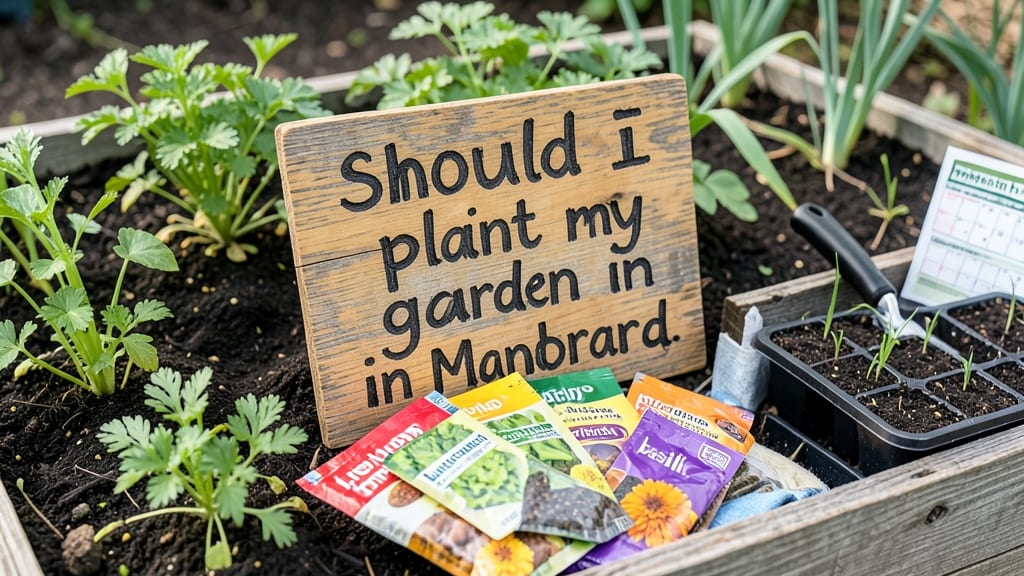
Plant your Maryland garden after the last frost date, which typically lands between mid-April and early May—but timing varies wildly between Baltimore’s coastal warmth and Western Maryland’s chilly valleys.
Maryland’s unpredictable spring weather can turn gardening into a guessing game—but timing your plantings right means the difference between a thriving harvest and a wasted season.
Cool-season crops like lettuce and peas can go in as early as March, while tomatoes and peppers need to wait until the soil warms to 60°F or higher. Getting this wrong leads to stunted growth or frost damage, and no one wants that.
Below, I’ll break down the exact frost-free dates by region, the best planting windows for your favorite crops, and how to adjust for Maryland’s tricky weather—so you can finally stop second-guessing and start growing.
Maryland frost-free dates and planting zones: what you need to know
Maryland’s gardening success hinges on understanding frost-free dates and USDA Plant Hardiness Zones. Most of the state falls within zones 6a-7b, but microclimates vary dramatically—from Baltimore’s urban heat islands to the cooler Eastern Shore.
According to NOAA data and Maryland Cooperative Extension, these zones dictate what you can plant and when.
For Baltimore and DC suburbs, the average last frost date arrives between mid-April and early May, while Western Maryland typically sees frost-free conditions by late April.
The Eastern Shore often waits until early May due to its coastal influence. These dates separate cool-season crops (like kale and peas) from warm-season plants (tomatoes, peppers).
Here’s a quick reference for Maryland’s frost-free windows by region:
| Region | Avg. Last Frost | Avg. First Frost | Planting Zone | Cool-Season Window | Warm-Season Window |
|---|---|---|---|---|---|
| Baltimore/DC Suburbs | Mid-April to Early May | Mid-October | 6b-7a | March 15–April 15 | May 1–June 1 |
| Western Maryland | Late April | Late October | 6a-6b | March 1–April 1 | April 20–May 10 |
| Eastern Shore | Early May | Early November | 7a-7b | April 1–April 30 | May 15–June 15 |
Cool-season crops like broccoli and spinach thrive when planted 4-6 weeks before your last frost date. In Maryland, this means starting seeds indoors by February for early spring harvests. Meanwhile, warm-season plants (tomatoes, squash) need soil temperatures above 60°F, which typically occurs after your last frost date.
For zone 6a (Western MD), late frosts are more common, so use row covers to protect seedlings until May. In zone 7b (Eastern Shore), you can extend your growing season into early November for crops like kale and carrots. Always check NOAA’s Frost/Freeze Forecast for real-time updates.
Maryland’s USDA Plant Hardiness Zones also influence perennial planting. Trees and shrubs planted in fall (September-October) establish roots before winter, while spring planting (March-April) works for tender perennials like asparagus. Zone 6a areas may need winter mulch to protect roots from freezing.
Local agricultural extensions recommend using succession planting to maximize yields. For example, sow lettuce every 2 weeks from March to August for continuous harvests. In urban gardens, containers warm up faster, so you can plant warm-season crops 1-2 weeks earlier than in-ground beds.
Remember: Frost dates are averages. A late frost in May can wipe out young seedlings, while an early frost in September might preserve your late tomatoes.
Keep a garden journal to track your local patterns over time—this is how I’ve adjusted my planting schedule for 10+ years in Maryland.
For extra protection, use cold frames or cloches to extend your season. These tools let me grow spinach until Christmas in zone 6b! Always monitor soil temperature with a probe—50°F is the magic number for cool-season crops.
🌱
Best planting schedule for Maryland vegetables and flowers by type
Maryland gardeners know timing is everything—especially with our unpredictable spring frosts and humid summers. The key to a bountiful harvest lies in matching each plant to its ideal planting window, whether it’s cool-season crops that love early springs or heat-loving vegetables that thrive in summer’s warmth.
Let’s break down the best months to plant Maryland’s most popular crops, including tomatoes, peppers, lettuce, herbs, and perennials, while avoiding frost risks and maximizing your growing season.
For Maryland’s average frost-free dates, plan for mid-April in the DC suburbs and Baltimore, late April in Western Maryland, and early May on the Eastern Shore.
These dates guide when to start warm-season crops, but cool-season crops like spinach and peas can often go in as early as February under row covers. Below, I’ve organized planting by crop type and season, with tips for succession planting to keep your garden producing all summer and fall.
Don’t forget to use succession planting for crops like lettuce and beans—sow new seeds every 2–3 weeks to ensure a steady supply. For herbs like basil, pinch back flowers to encourage leaf growth, and harvest regularly to keep plants productive.
Maryland’s humid summers can stress plants, so mulch heavily to retain moisture and prevent soil-borne diseases.
Pro tip: Mark your calendar for Maryland Cooperative Extension’s frost alerts (available online) to adjust planting dates if late frosts threaten. With this schedule, you’ll avoid the most common gardening mistakes—like planting tomatoes too early or lettuce too late—and enjoy a garden that produces from spring to fall.