
Fertilization
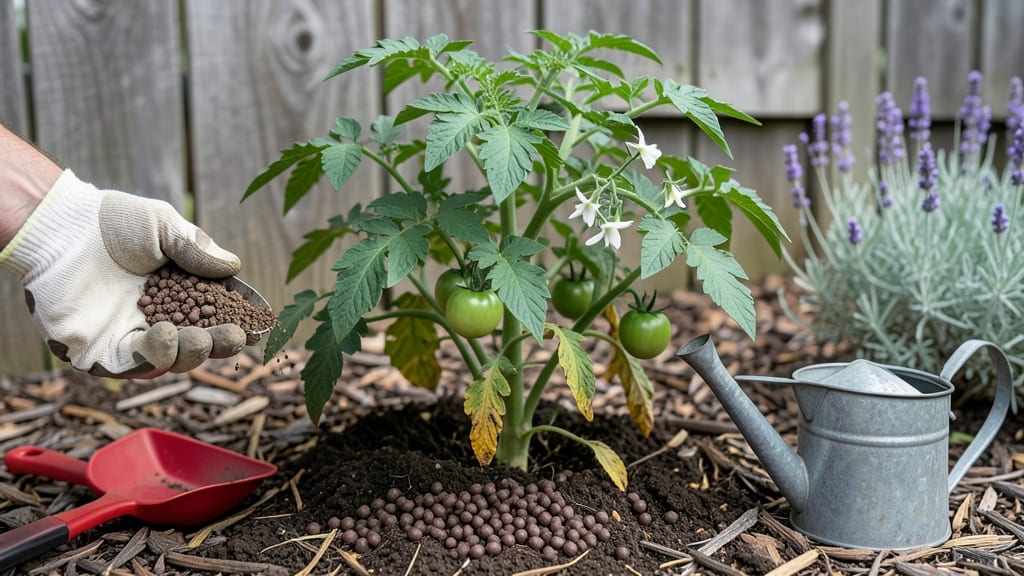
You should fertilize your garden when the soil is warm and actively growing—typically early spring for cool-season crops and late summer for a fall boost, but timing shifts with your climate zone.
Timing your garden fertilization wrong can mean wasted money—or worse, stunted plant growth. But get it right, and you’ll unlock lush blooms, bountiful harvests, and roots that thrive year-round.
Most gardeners focus on spring, but fall fertilization is just as critical—especially in Zone 6a—to strengthen plants before winter dormancy. A light feed in early September can mean the difference between a robust spring and struggling seedlings.
Below, I break down the exact months to fertilize for vegetables, flowers, and lawns, plus how to read your soil’s signals so you never overdo it.
Best times to fertilize your garden for maximum growth
Timing your fertilizer applications is like hitting a golf swing—too early or late, and you miss the sweet spot. For most gardens, the ideal fertilization windows align with natural growth cycles, not just calendar months.
Think of spring as your garden’s growth kickstart, summer as the maintenance phase, and fall as the preparation period for dormancy.
But here’s the catch: your USDA hardiness zone and plant types (vegetables vs. flowers vs. lawns) can shift these timelines by 2-4 weeks.
For example, in Zone 7, you might fertilize tomatoes in early May, while in Zone 4, you’d wait until mid-June after the last frost. Always check your last frost date and adjust accordingly.
🌱
Spring is your prime fertilization window because it jumpstarts root and shoot growth.
For vegetables like tomatoes and peppers, apply a balanced fertilizer (like 10-10-10) when you transplant seedlings into the garden. Lawns benefit from a high-nitrogen feed in early spring to green up quickly, while perennial flowers (e.g., daylilies) should get a low-nitrogen, high-phosphorus boost to encourage blooms.
In summer, focus on maintenance fertilization every 4-6 weeks for fruiting plants. Tomatoes and peppers love a potassium-rich fertilizer (like 5-10-10) to prevent blossom-end rot. Annual flowers, such as marigolds or zinnias, thrive with a light feeding every 3-4 weeks.
Pro tip: Water deeply before and after fertilizing to prevent root burn.
Fall fertilization is often overlooked, but it’s critical for winter prep. A light application of fertilizer in early fall helps cool-season crops like spinach and kale store energy for next year.
For perennials and shrubs, a potassium-heavy feed (like 0-0-50) strengthens roots against frost. In southern climates, you can fertilize evergreens lightly year-round to maintain growth.
Your climate zone dictates subtle shifts in timing. In cooler zones (3-5), wait until soil warms to 50°F before fertilizing spring crops. In warmer zones (8-10), fertilize lawns in late winter to avoid summer dormancy. Always test your soil first—over-fertilizing in alkaline
Signs your garden needs fertilizer (and when to skip it)
Your plants whisper clues about their health long before they scream for help. Yellowing leaves, especially on older foliage, often signal nitrogen deficiency, while purple stems or slow growth may mean phosphorus or potassium shortages.
These visual cues tell you it’s time to feed your garden—but timing matters just as much as the fertilizer itself.
Before reaching for that bag of granules, check the soil moisture. Dry soil can mimic nutrient deficiency, while overwatered roots suffocate and starve plants regardless of fertilizer. Always test soil moisture first—your plants’ needs might simply be hydration, not nutrients.
🌱 Over-fertilizing is just as damaging as under-feeding. Brown leaf tips, crispy edges, or white crusts on soil signal salt buildup from excess nutrients.
If your garden looks like it’s burning from the inside out, it’s time to flush the soil with water and hold off on feeding.
✅ WHEN TO FERTILIZE
- 🌱 Spring (March-May): Kickstart growth after last frost
- ☀️ Summer (June-August): Feed every 4-6 weeks for blooms/fruit
- 🍂 Early Fall (September): Boost root strength before winter
- 📝 After harvest: Replace nutrients for next season
❌ WHEN TO SKIP
- ❄️ Winter (Dec-Feb): Plants are dormant
- 🌧️ After heavy rain: Soil flushes nutrients naturally
- 🔥 Heatwaves (90°F+): Stress plants further
- 🌱 New transplants (<2 weeks old): Let roots establish
Seasonal cues are your best guide. Spring is prime time for balanced fertilizers (10-10-10) to wake up roots, while fall favors potassium-rich feeds to harden off plants. But if your garden is newly planted or recovering from stress, wait until you see active new growth before feeding.
Don’t ignore plant-specific signals. Tomatoes with yellow lower leaves need nitrogen, while pepper plants with small fruit may lack phosphorus. Match fertilizer to the symptom—organic options like compost tea are gentler for sensitive plants like herbs.
🌿 Pro tip: Keep a garden journal. Note when you fertilize, what you use, and how plants respond. Over time, you’ll spot patterns—like azaleas thriving after a spring worm castings application—and refine your schedule to perfection.