
Planting
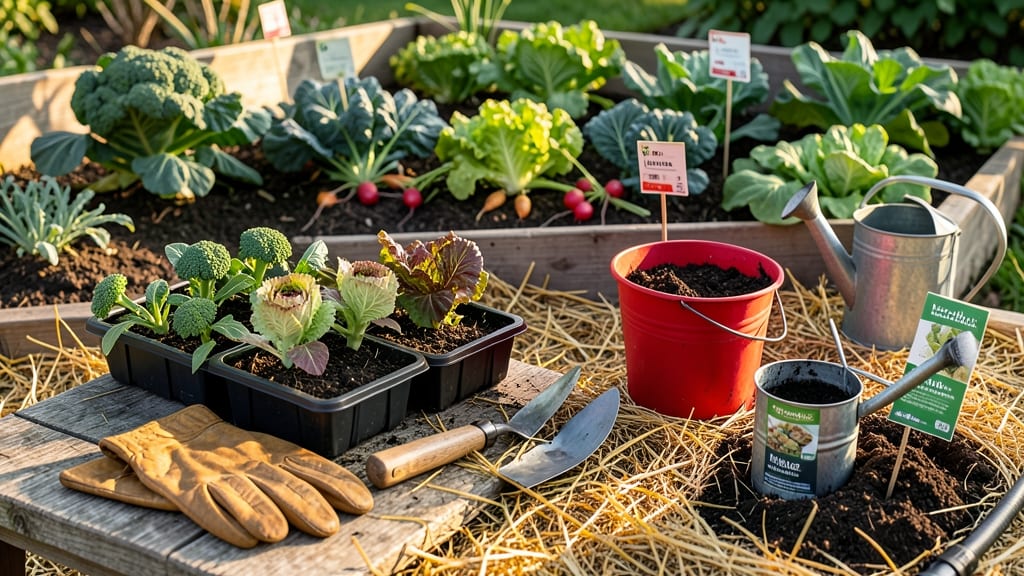
Planting a fall garden in Texas requires timing that balances the lingering summer heat with the early frost risks, and the exact window depends on where you live in the state.
Texas gardeners know summer’s brutal heat can make planting feel impossible—but fall gardens thrive with the right timing and heat-tolerant crops. Plant too early, and you’ll battle pests; too late, and frost ruins your harvest.
In USDA Zones 8a–10a, the ideal planting window for Fall Garden Vegetables (General) 🥬 runs from mid-August to mid-October, but the best start dates shift dramatically between North Texas (like Dallas) and the Gulf Coast (Houston, San Antonio).
Here’s how to pinpoint your perfect planting schedule, plus the top 10 heat-tolerant crops that will reward you with a harvest before the first frost—no matter your Texas region.
Texas fall planting calendar: exact start dates by region (north vs. south)
Texas’s diverse climate means your fall planting schedule depends heavily on whether you’re in North Texas (Zones 8a-8b) or Central/South Texas (Zones 9a-10a).
In Dallas/Fort Worth, the first frost typically hits around December 1-15, while Austin/San Antonio/Houston may see frost as late as January 15—or none at all in Zone 10a. Timing your transplants and direct sowing correctly avoids heat stress or frost damage.
For both regions, soil temperatures are critical. Aim for 60-75°F soil for cool-season crops like kale, lettuce, and broccoli. In North Texas, wait until mid-August for heat-tolerant crops, while South Texas can start as early as late July for varieties like okra and sweet potatoes.
Below is your region-specific planting guide to nail the fall harvest window.
| Region | Last Frost Date | Ideal Planting Window | Key Crops | Soil Temp Goal |
|---|---|---|---|---|
| North Texas (Dallas/Fort Worth) | December 1-15 | Mid-August to early October | Kale, Broccoli, Carrots, Spinach, Radishes | 60-75°F |
| Central Texas (Austin) | November 15-30 | Late July to mid-October | Collards, Mustard Greens, Turnips, Okra, Sweet Potatoes | 65-80°F |
| South Texas (San Antonio/Houston) | January 15 (or none in Zone 10a) | Late July to November | Malabar Spinach, Black-Eyed Peas, Cowpeas, Eggplant | 70-85°F |
| All Regions | N/A | 6-8 weeks before frost for harvest | Heat-tolerant varieties (e.g., 'Heat-Tolerant' Lettuce, 'Southern Exposure' Broccoli) | Monitor with soil thermometer |
In North Texas, late August is your first chance to direct-sow cool-season crops like radishes and lettuce. Transplant broccoli and cabbage by mid-September to ensure they mature before frost.
Use row covers if temperatures dip unexpectedly. For heat-loving crops like okra or sweet potatoes, plant by early August to give them time to establish before cooler weather arrives.
Meanwhile, Central and South Texas gardeners enjoy a longer window. Start direct sowing as early as late July for fast-maturing crops like bush beans or turnips. By September, shift to kale, collards, and mustard greens, which thrive in the milder fall temps.
In Zone 10a, you can even plant cool-season crops year-round with minimal frost risk, though heat waves in October may require shade cloth.
One critical mistake is planting too early without hardening off seedlings. If you start transplants indoors in July, acclimate them outdoors for 7-10 days before moving to the garden. Another pitfall? Ignoring soil moisture.
Texas’s fall weather can swing from 90°F days to 50°F nights—mulch heavily to retain warmth and moisture. Aim for 1-1.5 inches of water per week, delivered in the early morning to prevent fungal issues.
For succession planting, stagger your lettuce, radish, and spinach every 2 weeks from August through October. This ensures a continuous harvest until frost.
In North Texas, prioritize cold-hardy varieties like 'Winter Density' kale or 'Ruby Streaks' radishes, while South Texas can experiment with 'Malabar Spinach' or 'Black-Eyed Peas' for a unique twist on traditional fall crops.
Use a soil thermometer to track temperatures—below 50°F stunts root growth, while above 85°F stresses seedlings. If your soil is still too hot in late August, opt for shade-tolerant crops like bush beans or Swiss chard until temps drop.
For container gardening, choose heat-resistant varieties like 'Heat-Tolerant' Lettuce' and place pots in partial shade during peak afternoon heat.
Pro tip: Mark your calendar with local frost dates from the Texas A&M AgriLife Extension. Their frost probability maps help fine-tune your schedule. For example, Dallas has a 30% chance of frost by November 15, while Houston
Top 10 heat-tolerant fall vegetables for Texas gardens (with planting depth & spacing)
Texas’s long, hot summers make traditional fall crops like lettuce and spinach struggle—but these 10 heat-tolerant vegetables thrive even as temperatures dip. I’ve grown them in Zone 9a for years, and they consistently deliver harvests when other gardens fail.
The key? Choosing varieties bred for heat resistance and spacing them correctly to maximize airflow and reduce stress.
For example, Malabar spinach and black-eyed peas handle 95°F+ temps with ease, while sweet potatoes and okra actually prefer the heat. Below, I’ve compared traditional fall crops to their heat-resistant cousins, plus exact planting depths and spacing to prevent overcrowding—a common mistake in Texas’s compact urban gardens.
Pro Tip: Always plant these 6–8 weeks before your first frost (typically late August to early October in most of Texas). Use a row cover if early frosts threaten, but avoid plastic that traps heat—opt for breathable fabric instead.
My favorite companion planting combo? Pair okra with sweet potatoes—the okra’s deep roots improve soil aeration, while sweet potatoes shade the soil to retain moisture. I’ve also seen black-eyed peas thrive near corn, as the corn provides shade for the peas’ delicate leaves during peak afternoon heat.
For container gardens, opt for dwarf varieties like ‘Tennessee Red’ okra (grows just 3–4 feet tall) or ‘Centennial’ sweet potatoes. Use 5-gallon pots with well-draining soil and place them in full sun.
Water deeply every 2–3 days in fall, reducing to every 4–5 days once temperatures drop below 85°F.
Don’t forget to mulch with straw or wood chips to lock in moisture and regulate soil temps. This is especially critical in West Texas, where soil can bake to 120°F+ in summer.
A 2–3 inch layer of mulch can drop soil temps by 10–15°F, giving your fall crops a smoother transition into cooler weather.
🌱