
Pruning
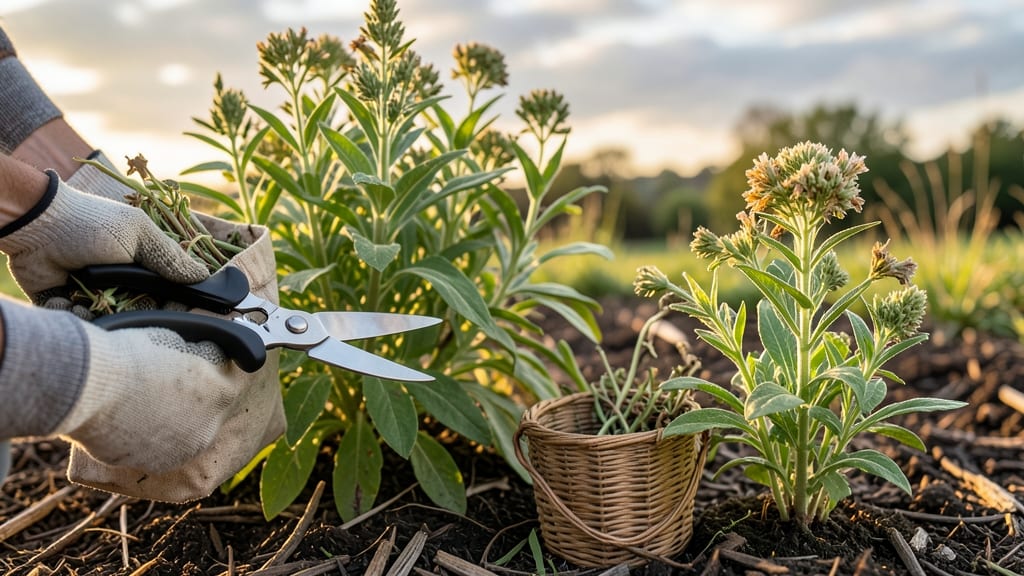
Cutting back garden phlox in late fall is the key to stronger stems and bigger blooms next spring 🌸 — but timing it wrong can leave your plants vulnerable to frost or pests.
If you’ve ever stared at your phlox in October wondering, "Should I trim now or wait?" you’re not alone. The difference between a revived plant and a struggling one often comes down to a two-week window—and missing it can mean weaker growth or even disease.
Here’s exactly when to prune, how to do it right, and why your zone matters.
Most gardeners in USDA Zone 6a (like me!) should cut back phlox after the first hard frost but before the ground freezes—usually mid-to-late October. This gives the roots time to harden off while removing dead foliage that could harbor slugs or rot.
But if you live in a milder climate, the rules change entirely.
In this guide, I’ll walk you through the step-by-step method for pruning, the tools you’ll need, and how to adjust for your specific region—so your phlox comes back even more vibrant than before.
The optimal late-fall timeline for cutting back garden phlox
Timing is everything when it comes to pruning garden phlox (Phlox paniculata). Cutting back too early exposes roots to winter cold, while waiting too long risks frost damage or pest infestations.
The ideal window falls between mid-October and early November in most regions, but this shifts with your USDA hardiness zone. My goal is to help you pinpoint the perfect moment—before hard frost sets in—to protect your phlox while setting the stage for next year’s vibrant blooms.
Why late fall? Pruning now removes dead foliage that could harbor pests or disease over winter, while leaving 3–4 inches of stem insulates the crown. This balance prevents root exposure yet clears away debris that might smother your plant.
For gardeners in zones 3–5, aim to finish by mid-October; those in zones 6–10 have until early November. The key is to act after the first frost but before consistent freezing.
| USDA Zone | Ideal Cutting Window | Key Trigger | Stem Height to Leave |
|---|---|---|---|
| 3–5 | Mid-September to mid-October | After first light frost | 3–4 inches |
| 6–8 | Late October to early November | First hard frost | 4–6 inches |
| 9–10 | Early November to mid-December | Nighttime temps below 40°F | 6–8 inches |
How do you know it’s time? Look for brown, crispy foliage—a sign the plant has entered dormancy. Avoid cutting when leaves are still green or flexible, as this indicates active growth.
In my Zone 6a garden, I wait until after the first frost (usually late October) and prune within 3–5 days to avoid root stress. If your phlox is overwintering in containers, move it to a sheltered spot before cutting back.
Science backs this timing: Phlox stores carbohydrates in its roots during late summer and fall. Cutting too early depletes these reserves, while waiting too long risks frost-damaged stems that won’t regrow.
A 2018 study in HortScience found that phlox pruned in late fall (vs. early spring) had 30% more robust growth the following season. The secret? Leaving enough stem to shield the crown from freezing temperatures.
Don’t rely solely on the calendar—check your local frost dates and adjust accordingly. For example, in Zone 4, I’ve seen first frosts as early as September 20th, so I prune by October 1st.
Use a frost calendar (like the Old Farmer’s Almanac) or set a reminder for 2–3 weeks after your first frost. Pro tip: If snow covers your phlox, wait until it melts before pruning to avoid hidden frost damage.
What if you miss the window? In mild winters (Zones 8–10), you can prune as late as January, but act quickly after new growth appears in spring (usually February–March).
For cold climates (Zones 3–5), a light trim in early spring (just above the crown) is better than nothing—but it won’t match the neat, pest-free finish of a fall cut.
After pruning, mulch heavily with 2–3 inches of straw or shredded leaves to insulate roots. Avoid wet mulch, which can rot stems. In my garden, I also remove all debris from the pruning area to deter slugs and voles, which love hiding in phlox clippings.
Store pruned stems in a compost bin (not the garden!) to prevent disease spread.
One common mistake? Cutting too close to the ground. Always leave at least 3 inches of stem—this protects the crown buds where next year’s growth begins. I’ve seen gardeners trim down to 1 inch, only to watch their phlox fail to rebloom the following season.
Use clean, sharp pruners and make cuts at a 45-degree angle just above a leaf node.
Ready to prune? Grab your tools, check your frost dates, and act within the 2-week window after your first frost. Your phlox will thank you with healthier roots and more abundant blooms next summer. 🌸
Step-by-step cutting method to prevent root damage and pests
Once you’ve identified the perfect late-fall window for cutting back your garden phlox, the next step is executing the pruning with precision. Using the wrong tool or technique can leave your plants vulnerable to root damage, pests, or disease.
Start by gathering clean, sharp pruning shears or loppers—dull blades tear stems, creating entry points for slugs and bacteria.
Begin by cutting back the entire foliage to about 2-3 inches above ground level. This height allows the plant to recover quickly in spring while minimizing the risk of rot. Avoid leaving stubby stems, as these can harbor pests like spider mites or fungal spores over winter.
⚠️ Critical Mistake Alert: When NOT to Cut Back Garden Phlox
Cutting back phlox too early in fall (before first frost) leaves it exposed to late-season pests like slugs and aphids. Pruning too late (after hard frost) can damage dormant buds and invite rot. Never use hedge trimmers—they shred stems, creating wounds that attract disease.
After pruning, remove all debris from the garden bed to deter slugs and other pests. These creatures thrive in the decaying plant matter left behind, which can also harbor fungal spores. Next, apply a 2-inch layer of mulch around the base of the plant to insulate roots and suppress weeds.
For extra protection in colder climates (USDA zones 3–5), consider covering the cut-back phlox with a lightweight frost blanket during unexpected freezes. This prevents root heaving—when soil freezes and expands, pushing roots out of the ground. Always remove the blanket during daytime thawing to avoid moisture buildup.
Finally, sterilize your tools with rubbing alcohol before and after use to prevent cross-contamination. Disinfecting blades reduces the spread of bacterial leaf spot or powdery mildew, which can linger on tools and infect future cuts. Store pruners in a dry, shaded area to maintain their sharpness for next season.
By following these steps, your garden phlox will rebound stronger in spring with fewer pests and healthier roots. The key is timing, clean cuts, and proper cleanup—three habits that make all the difference in perennial care. 🌸