
How To
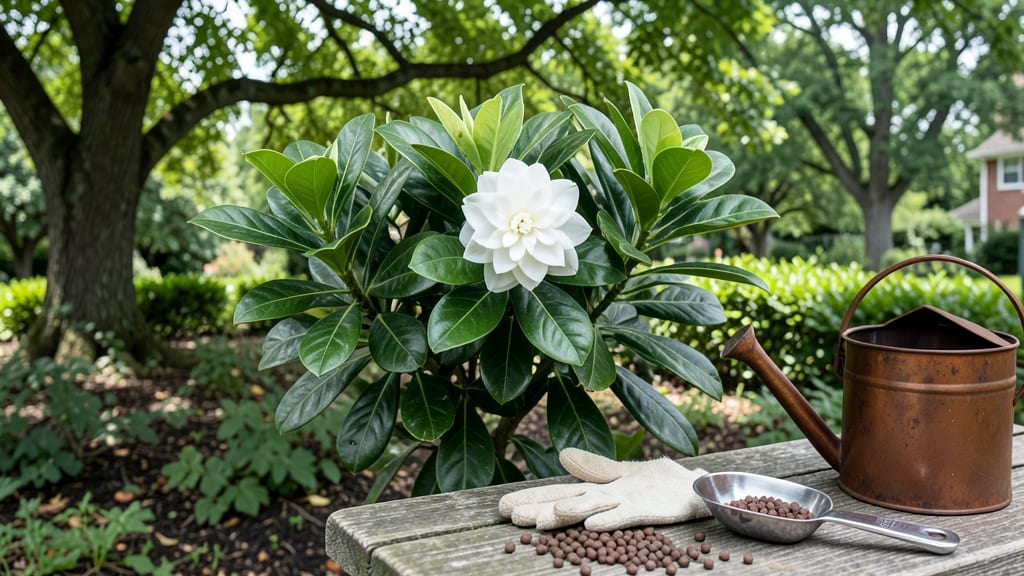
To fertilize gardenia at the right time means catching its blooming cycle—spring and early summer are the sweet spots for feeding, when your 🌸 thrives on phosphorus to burst into fragrant flowers.
Struggling to get your gardenia to bloom? Timing your fertilizer application could be the missing link—most gardeners overlook the seasonal nuances that trigger vibrant flowers. A little too early or late, and you’re left with lush leaves but no fragrance.
Here’s the game-changer: feed lightly in early spring to wake up roots, then ramp up in late spring when buds form. In summer, dial it back—too much heat plus fertilizer equals burned foliage.
And in fall? A light touch preps your plant for winter, whether you’re in frost-free Zone 9b or cooler climates.
Below, I break down the exact schedule by season, the best fertilizer types for your gardenia’s variety, and how to spot over- or under-feeding before it’s too late. No more guesswork—just blooms.
Optimal gardenia fertilization schedule by season for maximum blooms
Your gardenia thrives on precision—especially when it comes to fertilizer timing. Unlike many plants, gardenias bloom based on seasonal cues, and feeding them at the wrong time can stunt growth or even kill buds.
The key is aligning your fertilizer schedule with their natural growth cycles, which peak in spring and early summer for most varieties. Skipping this seasonal rhythm is why many gardeners end up with lush foliage but no blooms.
Gardenia plants are tropical/subtropical shrubs that respond best to acidic fertilizers with balanced NPK ratios (like 6-6-6 or 8-3-9). Organic options such as peat moss or coffee grounds also work well, but timing is everything.
For example, fertilizing in winter dormancy (common in cooler zones) forces the plant to grow when it should rest, leading to weak stems and fewer blooms. Let’s break down the month-by-month schedule tailored to your climate zone.
| Season | Months | Fertilizer Type | Frequency | Key Notes |
|---|---|---|---|---|
| Spring | March–May | Acidic bloom fertilizer (6-6-6 or 8-3-9) | Every 4 weeks | Start feeding as buds form; use phosphorus-rich fertilizer. |
| Early Summer | June–July | Light organic feed (e.g., compost tea) | Every 6 weeks | Reduce feeding in extreme heat; water before applying. |
| Fall | September–October | Slow-release acidic fertilizer | Every 8 weeks (or none in cooler zones) | Prep for dormancy; avoid in frost-prone areas (Zone 7 or cooler). |
| Winter | November–February | None (dormant period) | Skip entirely | Let the plant rest; resume feeding in early spring. |
In spring, your gardenia shifts from dormancy to active growth, making it the ideal time to fertilize. Aim for a phosphorus-rich fertilizer (like 6-6-6) to encourage bud formation. For example, if you’re in USDA Zone 9b, start feeding in March as new growth appears.
Use a slow-release granular fertilizer or liquid feed every 4 weeks until May. This aligns with the plant’s natural bloom cycle, where buds form in response to increasing daylight and warmth.
By early summer, your gardenia should be in full bloom, but that doesn’t mean you should stop fertilizing. Switch to a lighter feed, such as compost tea or a diluted organic fertilizer, every 6 weeks. The goal here is to maintain growth without overwhelming the plant.
In Zone 9b, where summers are hot, reduce feeding in July and August to avoid stress. Instead, focus on deep watering to keep the soil moist but not soggy. Over-fertilizing now can lead to leaf burn or fewer blooms next season.
Fall is a critical transition period for gardenias, especially in cooler climates. If you’re in Zone 7 or below, skip fertilizing entirely after September to allow the plant to harden off for winter.
However, in Zone 9b, where winters are mild, a light feed in October can help sustain growth. Use a slow-release acidic fertilizer to avoid a sudden nutrient spike. This prepares the plant for its dormant phase while still supporting root development.
Winter care varies dramatically by climate zone. In frost-free zones like 9b, gardenias remain active year-round, but growth slows significantly. Here, you can skip fertilizing entirely but monitor soil moisture.
In cooler zones (7 or below), gardenias enter dormancy, and fertilizing can stimulate unwanted growth, weakening the plant. Resume feeding only in early spring (around February) when new shoots emerge. This ensures your gardenia wakes up with the energy it needs for another bloom-heavy season.
One common mistake is over-fertilizing in summer, which can cause leaf yellowing or even bud drop. Always water your gardenia deeply before applying fertilizer to prevent root burn. Another tip: if your gardenia is potted, flush the soil with water after fertilizing to remove excess salts.
For organic gardeners, coffee grounds or fish emulsion work well in spring, but avoid them in winter—they can acidify the soil too much when the plant isn’t actively growing.
Pro tip: Pair your fertilizer schedule with regular pruning after blooms fade. This encourages new growth and more flowers next season. For example, prune spent blooms in late summer (August) to redirect energy toward root and stem development.
Combine this with your fall fertilizer for a double boost of health and vigor.
🌸
How to choose the right fertilizer for your gardenia variety
Not all gardenias thrive on the same fertilizer—some varieties like 'Kleimschmidt' and 'Radicans' demand extra acidity to produce those fragrant blooms. The key lies in understanding your gardenia's pH needs and NPK ratios, which vary by type.
For example, acid-loving varieties often need a lower pH (5.0–6.0) compared to standard types, which tolerate slightly higher pH levels (up to 6.5).
Most gardeners mistakenly use a balanced 10-10-10 fertilizer, but your plant might need something more specialized. Acid-loving varieties, like 'Radicans', benefit from higher phosphorus (middle number) to encourage blooming, while standard types can handle a 6-6-6 or 8-3-9 ratio.
Organic options like coffee grounds or peat moss can also help lower soil pH naturally, but timing matters—apply them in early spring when new growth begins.
⚠️ When to Fertilize Gardenia: Pros & Cons
- Spring feeding (March–April) with acidic fertilizer (pH 5.0–6.5)
- Light feed in early summer (June) to sustain blooms
- Organic amendments (coffee grounds, pine needles) in fall for soil prep
- Fertilize in winter—dormant plants burn easily
- Over-apply nitrogen (first number)—causes leafy growth, no blooms
- Use alkaline fertilizers (e.g., lime)—stops blooming in acid-lovers
🌱 Pro Tip: Test soil pH before fertilizing—aim for 5.0–6.5 for acid-loving varieties.
For acid-loving gardenias, I recommend a slow-release, peat-based fertilizer with a low pH. Brands like Miracle-Gro Azalea, Camellia & Rhododendron are formulated for these needs, but check the NPK ratio—look for 8-3-9 or 6-6-6 to balance growth and blooms.
If you prefer organic options, mix 1 cup of coffee grounds into the soil every 3 months in spring and fall. This mimics their natural tropical habitat while adding nitrogen.
Standard gardenia varieties, like 'Veitchii', are slightly more forgiving but still need acidic conditions. A citrus bloom fertilizer or fish emulsion works well here, applied every 6–8 weeks during the growing season.
The key is consistency—skip fertilizing in winter months (December–February) unless you're in Zone 9b+, where mild winters allow year-round growth.
One mistake I see often is over-fertilizing with nitrogen, which leads to lush leaves but no flowers. Gardenias need phosphorus (P) for blooms, so prioritize fertilizers where the middle number is higher (e.g., 6-12-6).
If your gardenia's leaves turn yellow with brown edges, it’s likely a pH or nutrient imbalance. Adjust by adding sulfur to lower pH or chelated iron for chlorosis.
For potted gardenias, half the dose of fertilizer since roots are confined. Use a water-soluble fertilizer like Dyna-Gro Foliage-Pro diluted to ¼ strength every 4 weeks. Always water thoroughly before and after applying fertilizer to prevent root burn.
In USDA Zone 7–10, fertilize year-round in Zone 9b+, but reduce to every 8 weeks in cooler zones during winter dormancy.
Remember, less is more with gardenias—over-fertilizing causes leaf drop and stunted blooms. Start with a light application, monitor your plant’s response, and adjust based on leaf color and bloom production.
With the right fertilizer and timing, your gardenia will reward you with fragrant, show-stopping blooms all season long. 🌸