
Plants
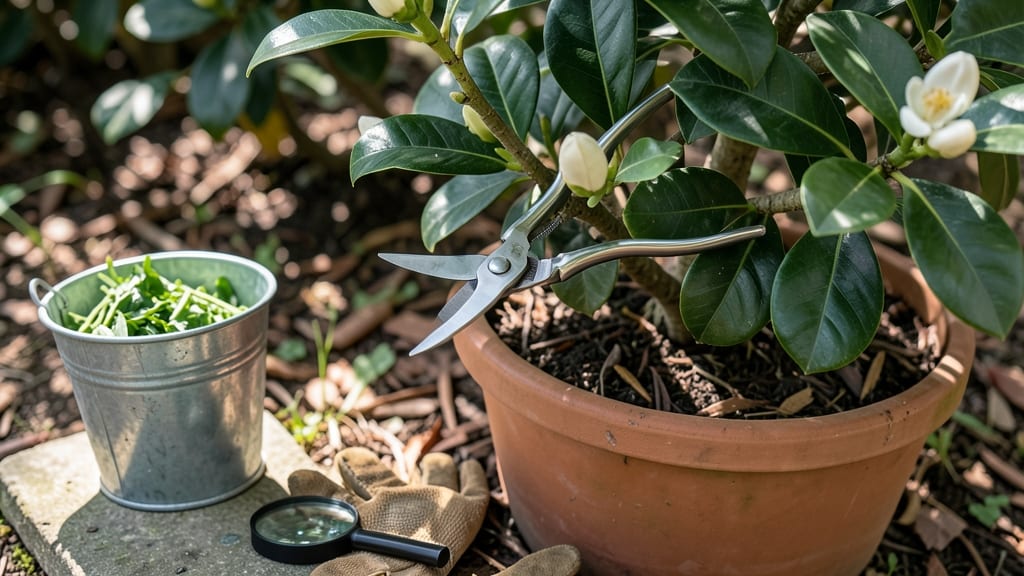
To prune gardenia plants, aim for late winter just before new growth begins — a window that sets the stage for more fragrance and healthier blooms all season.
Struggling to keep your gardenia plants blooming beautifully? The secret lies in timing—pruning at the wrong time can actually reduce fragrance and flowers. I’ve watched gardenias 🌸 go from lush and fragrant to sparse and weak after a misguided trim, and I’ll show you how to avoid that.
Late winter is the ideal time because it encourages fresh growth when the plant is still dormant but ready to wake up. In USDA Zone 6a, that means late February to early March, but climate matters—tropical areas may shift slightly later.
You’ll learn the exact steps to prune without stressing your plant, how to spot signs of over-pruning, and the one mistake that kills blooms faster than anything else. Let’s get your gardenias smelling like a spring breeze again.
Best late winter pruning window for gardenia plants (with exact timing)
Late winter is the perfect time to prune gardenia plants because it aligns with their natural dormant phase. When you prune during this window, you encourage healthier blooms and stronger growth in spring.
The key is timing—prune too early, and you risk damaging new buds; too late, and you delay spring blooming.
Gardenia plants thrive in USDA zones 7-11, but the exact pruning window varies slightly based on your climate. In frost-prone zones (7-9), wait until after the last frost date, while tropical zones (10-11) can prune earlier.
The goal is to prune when the plant is just waking up from dormancy but before new growth begins.
For most gardenias, the ideal pruning window falls between late February and early March in the northern hemisphere. This timing ensures you remove dead or weak branches while allowing enough time for new growth before summer heat sets in.
Adjust slightly for early or late bloomers—some varieties need a slightly earlier or later prune to maximize fragrance.
| USDA Zone | Best Pruning Window | Climate Notes | Bloom Adjustment |
|---|---|---|---|
| 7-9 (Frost-Prone) | Late February to Early March | Wait until after last frost (typically mid-March) | Prune early bloomers slightly later (March) |
| 10-11 (Tropical) | January to Early February | No frost risk; prune before active growth | Prune late bloomers slightly earlier (January) |
| All Zones | Avoid Pruning After March 15 | New buds form after this date; pruning too late reduces blooms | Focus on shaping cuts, not heavy pruning |
Late winter pruning works because gardenias are deciduous shrubs that enter dormancy in fall. During dormancy, they conserve energy, making them less sensitive to pruning.
When you prune in late winter, you remove last year’s growth while stimulating fresh, vibrant shoots that will bloom more abundantly in spring and summer.
If you live in a warmer climate (zones 10-11), gardenias may not fully dormancy, but they still benefit from a light pruning in January. This helps aerate the plant and encourages new growth without shocking the system.
In cooler zones (7-9), wait until after the last frost to avoid damaging tender new buds.
For early blooming varieties, like Gardenia jasminoides 'Radicans', prune slightly later in March. These types produce spring buds early, so pruning too soon can remove potential blooms.
Conversely, late bloomers, such as 'Kleim's Hardy', can handle an earlier prune in late February to promote summer and fall flowers.
One common mistake is pruning too aggressively in late winter. Gardenias respond best to moderate shaping cuts—never remove more than 1/3 of the plant’s foliage at once.
Heavy pruning can stress the plant and reduce next year’s blooms. Instead, focus on removing dead wood and thinning crowded branches to improve airflow.
After pruning, give your gardenia a light fertilizer application with a balanced 10-10-10 NPK ratio to support new growth. Water deeply but infrequently to encourage strong root development.
Avoid overwatering, which can lead to root rot—a common issue after pruning. Mulch around the base to retain moisture and regulate soil temperature.
Remember, the exact timing depends on your local climate. Check your last frost date and adjust accordingly. With the right late-winter prune, your gardenias will reward you with lush foliage and fragrant blooms all season long. 🌸
Step-by-step late winter pruning guide for gardenia bushes (do this first)
Late winter is the perfect time to prune your gardenia bushes—just as new growth begins but before spring blooms appear. This strategic timing ensures you stimulate lush foliage and abundant flowers without sacrificing next year’s beauty.
The key? Pruning 6-8 weeks before your area’s last frost date, typically February to early March in most USDA zones 7-11.
Before you begin, gather your tools: sharp bypass pruners, disinfectant, gloves, and a bucket for clippings. Why? Clean cuts prevent disease, and removing deadwood now gives your gardenia room to bloom vigorously this season. Let’s dive into the foolproof process—no guesswork, just healthy, fragrant gardenias.
- Step 1: Inspect your gardenia for dead, diseased, or crossing branches. Use your fingers to gently scratch the bark—if it’s brown or mushy, it’s time to remove.
- Step 2: Disinfect your pruners with rubbing alcohol to prevent spreading fungal spores. Wipe blades before and after each cut.
- Step 3: Make cuts at a 45-degree angle, ¼ inch above a leaf node. Avoid leaving stubs—this invites rot.
- Step 4: Remove up to ⅓ of the plant’s volume, focusing on overcrowded or leggy growth. Never trim more than this—you’ll stress the plant.
- Step 5: Apply pruning sealant to cuts wider than ½ inch to prevent water loss and disease.
- Step 6: Water deeply after pruning to help the plant recover. Add a 2-inch layer of mulch around the base to retain moisture.
- Step 7: Fertilize with a balanced 10-10-10 mix 4-6 weeks post-pruning to boost new growth.
After pruning, your gardenia might look sparse for a few weeks—that’s normal! The plant is redirecting energy to new, stronger branches. To prevent pruning shock, avoid heavy feeding or transplanting for at least 6 weeks.
Instead, focus on consistent watering and partial shade to help it recover.
Pro tip: If your gardenia blooms on old wood (like most varieties), prune right after flowering in late spring to shape it for next year’s blooms. But for late-winter pruning, focus on structure—this sets the stage for next season’s fragrance.
Remember, patience is key. A well-pruned gardenia can double its bloom count in just one season! With these steps, your late-winter pruning will pay off in glorious, fragrant blooms by summer. Happy pruning! ✂️🌿