
Shrubs
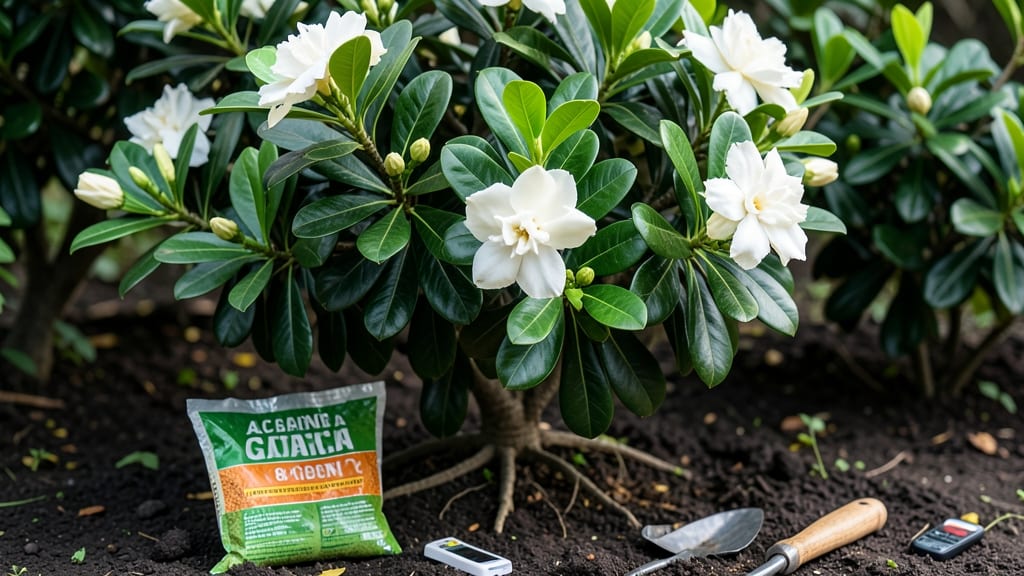
To fertilize gardenias at the right time means catching them in their spring growth spurt—the window when they’re hungry for nutrients but not yet overwhelmed by heat.
Struggling to get your gardenias to bloom? The secret isn’t just if you fertilize—but when. Timing your feedings with their natural growth cycles can transform a lackluster shrub into a fragrant, flower-filled showstopper.
In USDA Zone 6a, where gardenias 🌸 thrive, the best months stretch from early spring through summer—think April to June, then again in early fall. This schedule aligns with their blooming rhythm, preventing weak flowers or leafy growth at the expense of fragrance.
Below, I’ll break down the exact feeding schedule by season, how to spot nutrient deficiencies (like yellowing leaves or sparse blooms), and whether organic or synthetic fertilizers work best for your acid-loving shrub.
Gardenia fertilizing schedule by season: the exact timing for maximum blooms
Your gardenias deserve more than just occasional feedings—they thrive when you match their nutrient needs with their natural growth cycles. Unlike many plants, gardenias respond dramatically to seasonal timing, especially when it comes to blooming.
Skipping the wrong month or overdoing it in summer can leave you with sparse flowers or stressed shrubs. Let’s break down the month-by-month schedule that’ll turn your gardenias into fragrant, flower-covered stars.
First, understand that gardenias are heavy feeders but need a balanced approach. Too much fertilizer in the wrong season can burn roots or encourage weak growth. The key is feeding when they’re actively growing—spring and early fall—while giving them a rest in winter.
For those in warmer climates (Zones 8-11), you might extend feeding into late fall, but we’ll cover that later. Let’s start with the universal schedule that works for most gardeners in USDA Zones 6-10.
🌱 Pro Tip: Always use an acid-loving fertilizer (pH 5.0-6.0) with a 6-6-6 or 8-4-4 NPK ratio. Gardenias crave iron and phosphorus for blooms, so look for products with chelated iron or citrus bloom boosters. Organic options like fish emulsion or compost tea work too, but apply them more frequently.
Let’s dive deeper into why spring feeding is non-negotiable. When temperatures rise above 50°F (10°C), your gardenia’s roots wake up and start absorbing nutrients aggressively. This is when you should apply your first fertilizer of the year, ideally a slow-release granular or liquid bloom booster.
For container gardenias, use half the dose since roots are confined. Over the next 8-10 weeks, feed again in April and May to ensure bud formation for summer blooms.
Summer is all about maintenance, not growth. Your gardenia is already pushing out leaves and flowers, so heavy feeding can backfire. Instead, opt for a light feeding in June and August—think of it as a vitamin shot rather than a full meal.
Use a water-soluble fertilizer diluted to half strength, or sprinkle compost tea around the base. This keeps your plant healthy without overstimulating weak, leggy growth. In hot climates (Zones 9-11), you might add a July feeding to extend the bloom season, but monitor for leaf scorch from heat stress.
Fall and winter are critical rest periods for gardenias. Once temperatures drop below 60°F (15°C), your plant shifts into dormancy mode. Fertilizing now forces it to grow when it should be conserving energy, leading to weak stems or
Signs your gardenia needs fertilizer (and when to avoid it)
Your gardenia might be whispering for help—literally! If those glossy dark green leaves start turning yellowish or pale, it’s often a cry for nutrients. Slow growth or sparse blooms are other red flags, signaling your plant isn’t getting the nitrogen, phosphorus, or potassium it craves.
But before reaching for fertilizer, let’s decode these signals and match them to the right timing and type.
Gardenias thrive on a balanced fertilizer schedule, but overdoing it—especially in winter or fall—can burn roots or stunt blooms. The key is understanding seasonal needs: spring kicks off growth, summer supports flowering, and winter demands rest.
Let’s break down how to read your plant’s signals and when to act.
⚠️ When NOT to Fertilize Gardenias
- Winter (Dec-Feb): Plants are dormant—fertilizing wastes nutrients and stresses roots.
- After transplanting: Wait 6-8 weeks to avoid shock.
- During drought: Fertilizer burns roots when soil is dry.
- Late summer (Aug-Sept): New growth won’t harden off before frost.
Pro tip: Test soil pH first—gardenias need acidic soil (5.0-6.0). If pH is off, fix that before fertilizing!
Yellowing leaves? Start with the oldest leaves—this often means nitrogen deficiency. For new leaves turning yellow, it could be iron deficiency (common in alkaline soils). In both cases, use a chelated iron fertilizer or acid-loving plant food in early spring when growth resumes.
Pair this with organic matter like compost to improve soil structure.
Sparse or buds that drop before opening? Your gardenia might need a phosphorus boost (the middle number in NPK ratios). Switch to a 6-10-10 or 8-4-4 fertilizer in late spring or early summer to encourage blooming.
Avoid high-nitrogen fertilizers here—they prioritize foliage over flowers. Think of it like giving your plant a bloom-boosting cocktail!
Slow growth or small, weak stems? Your gardenia could be carbon-starved (lacking energy). Feed with a balanced fertilizer (6-6-6) in early spring and again in mid-summer.
For organic gardeners, fish emulsion or worm castings work wonders. Remember: Less is more—over-fertilizing leads to salt buildup, which harms roots.
One common mistake? Skipping spring feedings because your gardenia looks fine. Even healthy plants need a nutrient kickstart in March or April to fuel summer blooms. Think of it like prepping for a marathon—your plant needs to build strength before the big show.
And if you’re in a warm climate (Zone 8+), extend feedings into early fall for a second flush of flowers.
Listen to your gardenia—it’s not just about what you fertilize with, but when. Match the signals to the season, and you’ll have a fragrant, blooming beauty year after year. Happy gardening! 🌸