Picking
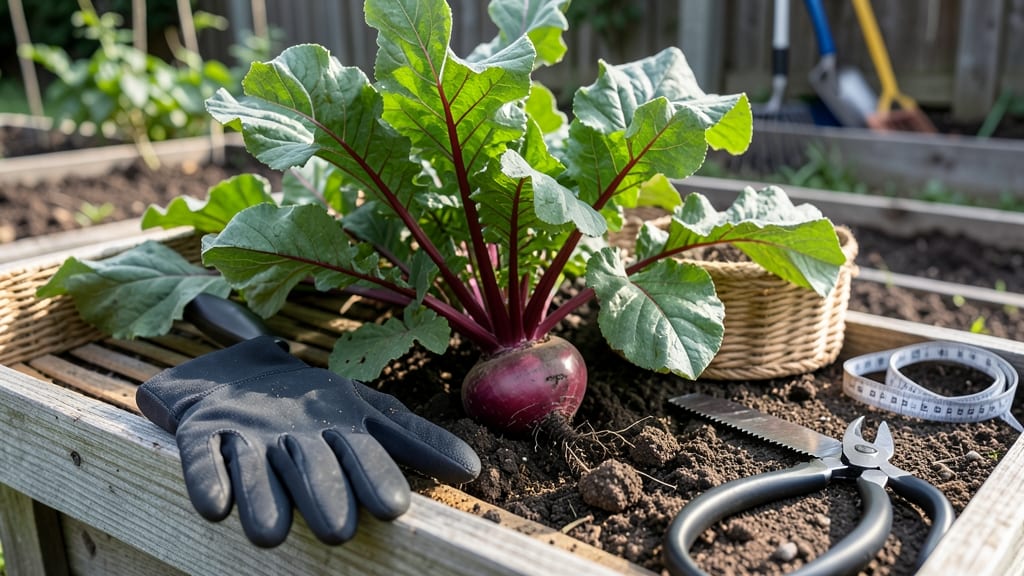
Harvesting beets from your garden at the right time ensures tender, sweet roots instead of tough, woody ones—here’s how to nail the timing for peak flavor.
Picture this: you’ve spent weeks tending to your 🍠 beets, and now they’re ready—but how do you know for sure? Missing the window means sacrificing that perfect earthy sweetness for a less-than-ideal harvest.
The key lies in size, color, and a simple finger-width trick that takes the guesswork out of timing.
Spring-planted beets in Zone 6a typically reach harvest by June or July, while fall plantings are best pulled in October or November before the first frost.
But the real secret isn’t just the calendar—it’s checking the roots and leaves for the right cues, like vibrant color and a diameter of 1 to 3 inches.
Below, I’ll walk you through the three finger-width tests that guarantee you pull beets at their sweetest, plus how to store them for maximum freshness after harvest. No more second-guessing—just perfect timing every time.


3 Finger-width tests to determine the best time to harvest beets
Harvesting beets at the right moment transforms your garden into a treasure trove of sweet, tender roots. The key? Using your fingers as a simple, foolproof gauge. Unlike complex charts or guesswork, these finger-width tests let you judge beet maturity with just a glance and a touch.
Whether you're growing baby beets, standard dinner beets, or storage varieties, this method ensures perfect timing every time.
Beets mature at different rates depending on their variety, but their size relative to your fingers is the easiest way to tell when they're ready. The thickness of the root is your best indicator—thinner than your pinky means they need more time, while matching specific finger widths signals harvest time.
This approach works for both spring and fall plantings, adapting to your local growing season.
- 1 Baby Beets: Harvest when roots match the width of your pinky finger (about ½ inch). These tender roots are perfect for salads and quick cooking. Pull them when tops reach 3-4 inches tall to prevent bitterness.
- 2 Standard Beets: Aim for roots the size of your ring finger (about 1-1.5 inches). The tops should be 4-6 inches tall with deep, vibrant colors. This is the classic harvest window for dinner beets.
- 3 Storage Beets: Let roots grow to match your thumb (about 2-3 inches). These larger beets store well and develop maximum sweetness. Wait until tops are 6-8 inches tall before harvesting for long-term storage.
Pro tip: Always harvest beets on a dry, sunny day to make cleanup easier. Use a garden fork to loosen the soil around the roots before gently pulling them from the ground.
This reduces damage and keeps the roots intact. The soil color can also hint at maturity—clean roots with minimal dirt clinging mean they're ready.
Timing your harvest correctly prevents beets from becoming woody or bitter. Overgrown beets develop tough fibers and lose their sweet flavor, making them less enjoyable to eat. By using these finger-width tests, you'll consistently pull beets at their peak, whether you're growing them for immediate use or long-term storage.
This method works equally well for red, golden, or striped varieties.
For fall plantings, adjust your timing slightly—cooler temperatures slow growth, so beets may take a few extra weeks to reach the same size. Always check the roots when they're about 2 inches below your target finger width, as soil conditions can affect growth rates.
If you're unsure, a quick tug test (gentle resistance means it's ready) can confirm your finger-width estimate.
One common mistake is harvesting based solely on leaf size. While large leaves often indicate maturity, they can also signal overgrowth if the roots haven't kept pace.
Always cross-reference leaf size with root thickness for the most accurate results. This dual-check ensures you're harvesting beets at their sweetest and most tender stage.
After harvesting, store beets in a cool, dark place with high humidity to preserve their freshness. For short-term storage (up to 2 weeks), keep them in the refrigerator.
For long-term storage (up to 6 months), cure them first by leaving them in a warm, dry place for a few hours before trimming and storing in a root cellar or sand-filled container.
Remember, the earlier you harvest, the more tender and sweet your beets will be. Baby beets harvested at the pinky-finger stage are the most delicate, while larger storage beets develop deeper flavors.
By mastering these finger-width tests, you'll never again guess when to pull your beets—just reach into the garden and let your fingers do the talking!
🌱
Signs of overripe beets and how to avoid them
Overripe beets can turn from sweet, tender treats into tough, woody disappointments. The key to avoiding this is recognizing the visual and textural signs that signal your beets have passed their prime. When beets overmature, they develop a hard, fibrous texture and bitter flavor that even cooking can't fully mask.
One of the first visual cues is the size of the leaves. While young beet greens are vibrant and tender, overripe plants develop large, coarse leaves that look more like Swiss chard than the delicate greens you started with.
The stems also become thick and leathery, another clear sign your harvest window has closed.
🌱
⚠️ When to Harvest Beets BEFORE They Overripe
Don't wait until your beets show these overripe signs—act when you see:
- Root diameter reaches 1-3 inches (finger-width test)
- Top growth hits 4-6 inches tall
- Color becomes deep and uniform (no pale patches)
- Soil shows no visible roots when gently brushed away
📅 Pro Tip: Harvest in morning hours when soil is moist but not waterlogged for easiest extraction.
The root shape also changes dramatically when beets overmature. Instead of maintaining their smooth, rounded form, they develop uneven bumps and cracks in the skin. This happens because the root has outgrown its natural capacity to expand evenly.
Even worse, the internal texture becomes grainy, with visible stringy fibers that make slicing difficult.
If you've already missed the window and harvested overripe beets, don't despair! These can still be used in slow-cooked dishes where their tough texture softens. However, for the best results, focus on preventative measures like regular harvesting and proper spacing.
Planting beets 1-2 inches apart gives them room to grow without competing for nutrients that can lead to premature aging.
Another helpful trick is to thin seedlings early—when they're just 2-3 inches tall. This reduces competition and encourages each remaining plant to develop stronger, sweeter roots at a more predictable pace.
I've found that maintaining a consistent moisture level (about 1 inch of water per week) also helps prevent stress that can accelerate overripening.
🌿 Remember, the earlier you harvest, the more tender and flavorful your beets will be. For baby beets, aim for 1-inch diameter roots—these are perfect for quick cooking methods like roasting or steaming. For storage varieties, wait until they reach 2-3 inches before pulling them from the soil.