
Picking
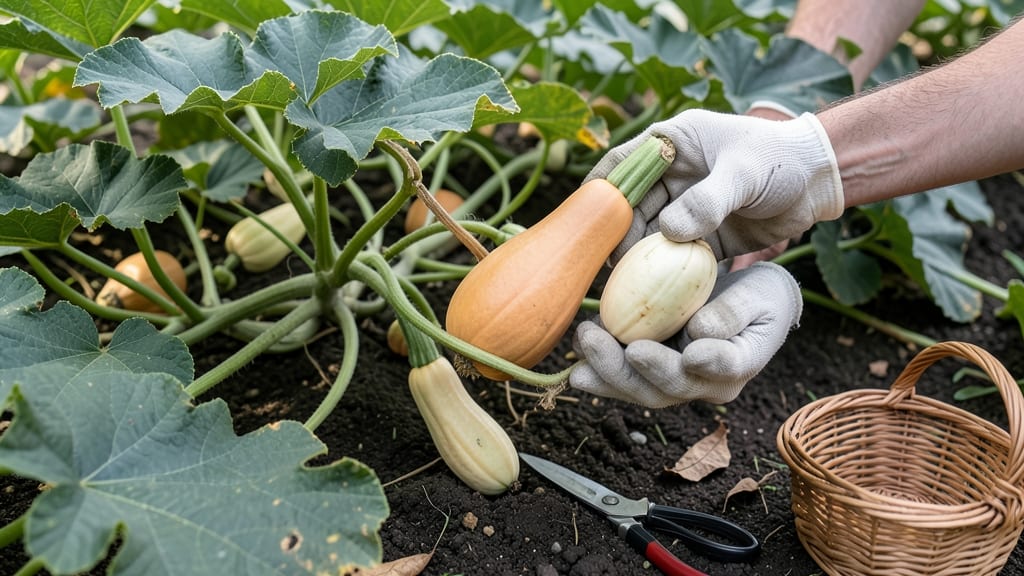
To pick butternut squash from your garden at the perfect time ensures sweet, flavorful harvests—but timing is everything.
Picture this: you’ve nurtured your 🎃 plants all season, only to pull a squash too early and end up with tough skin or bland flavor. Or worse, you wait too long and risk frost damage before the sweetness peaks.
The difference between a perfect harvest and a disappointing one often comes down to knowing exactly when to pluck those golden gems from the vine.
In this guide, I’ll walk you through the three key visual cues that signal peak ripeness—from skin color to stem condition—so you never miss the window again.
Whether you’re in USDA Zone 6a or further south, these signs will help you harvest at the ideal moment for maximum sweetness and texture.
You’ll also learn how to test for ripeness beyond just looks, plus pro tips to avoid common mistakes that ruin flavor. By the end, you’ll be ready to pick your butternut squash with confidence—and enjoy the rewards of your hard work all season long.
3 Visual signs your butternut squash is ready for harvesting
Butternut squash reaches its peak flavor when harvested at the right moment—too soon, and you’ll get bland, watery flesh; too late, and the skin toughens while the taste dulls. The key lies in three visual cues that signal perfect ripeness.
I’ve learned these through years of gardening, and they’ve saved me from countless disappointments. Mastering these signs ensures your squash is sweet, tender, and ready for storage or cooking.
First, pay attention to the skin color. When fully ripe, butternut squash develops a rich, golden-beige hue that’s deeper than the pale green of immature fruit. The color shift happens gradually, so check your squash weekly starting around 80-100 days after planting.
A mature squash will have lost nearly all green pigment, revealing its true tan or cream tones. This color change indicates the sugars inside have fully developed.
The second clue is the stem condition. At peak ripeness, the stem where the squash attaches to the vine will begin to dry out and shrink. Instead of looking fresh and green, it’ll feel slightly papery and may even crack or wither.
This happens naturally as the plant redirects nutrients to the squash. If the stem is still plump and green, your squash needs more time on the vine.
Finally, test the skin hardness by pressing your thumbnail into the rind. A ripe butternut squash will resist pressure—you shouldn’t be able to leave a noticeable thumbprint. The skin should feel firm and almost leathery.
If it dents easily, the squash isn’t ready yet. This tactile test is my go-to method because it’s foolproof, especially on cloudy days when color can be harder to judge.
🔍 3 Key Visual Cues for Harvest-Ready Butternut Squash
- 1. Skin Color: Deep tan or beige with no green. Immature squash stays pale green or yellowish.
- 2. Stem Condition: Dries out, shrinks, and turns papery or brown at the attachment point.
- 3. Skin Hardness: Resists thumbnail pressure—no denting. Soft skin means it’s not ready.
Pro Tip: Harvest on a dry morning to prevent skin damage and extend storage life.
Regional growers often adjust their timing based on first frost dates. In cooler climates (like USDA Zone 6a), butternut squash should be harvested 2-3 weeks before frost to avoid damage. The skin toughens further in cold weather, making it less ideal for eating fresh.
If frost is imminent and your squash isn’t fully ripe, pick it anyway—it’ll still store well, though flavor may not be peak.
One mistake I’ve seen gardeners make is waiting until the vines completely die back before harvesting. While this can indicate ripeness, it’s often too late. By then, the squash may have absorbed too much starch from the dying plant, making the flesh grainy or tough.
Instead, harvest when the vines start to yellow and die back—this is your cue that nutrients are shifting to the squash.
For storage purposes, you can leave ripe squash on the vine for 1-2 weeks longer to further develop sugars, but this is optional. If you’re growing butternut squash for immediate use (like roasting or soups), harvest at the first signs of ripeness for the best texture and sweetness.
I’ve found that squash picked at peak ripeness stores beautifully in a cool, dry place for up to 3 months.
Remember, these visual cues work best when combined. A squash with tan skin but a soft stem isn’t ready, just as one with a hard stem but green skin needs more time.
Trust your eyes and your fingers—they’re your best tools for determining when to pick butternut squash from your garden.
How to test butternut squash ripeness beyond visual cues
Sometimes, even the most experienced gardeners need more than just visual cues to confirm when a butternut squash is perfectly ripe. Cloudy days or inconsistent sunlight can make color and skin texture harder to judge. That’s when tactile and auditory tests become your best tools for foolproof ripeness evaluation.
Beyond checking for tan skin and a dry stem, try these advanced techniques to ensure you’re harvesting at peak flavor and texture. These methods work especially well in shady gardens or during unpredictable weather.
🔍 Pro Tip: The Thump Test
Gently tap the butternut squash with your knuckles. A ripe squash will produce a deep, hollow sound—like knocking on a wooden door. If it sounds dull, it’s not ready yet. This test works best when the squash is 10-12 inches long.
Another reliable method is the finger-press test. Press your thumbnail into the skin near the stem. If it leaves no mark, the squash is ready. If it dents easily, wait a few days. This test is especially useful for smaller varieties where skin thickness can be deceiving.
Listen for vine dieback as well. When the vines start yellowing and dying back naturally, it’s a strong sign that the squash is nearing maturity. However, don’t wait too long—first frost can ruin your harvest if you delay.
For large squash varieties, check the stem end. A ripe butternut will have a slightly shriveled, dry stem that’s easy to twist off with your hands. If the stem is still green and firm, the squash needs more time on the vine.
Combine these tests with the visual cues you’ve already learned for the most accurate results. When all signs align—tan skin, hollow thump, and dry stem—you’re ready to harvest your sweetest butternut squash yet.
Once picked, store your squash in a cool, dry place with good airflow. This ensures maximum shelf life and preserves that perfect flavor you worked so hard to achieve.