
Picking
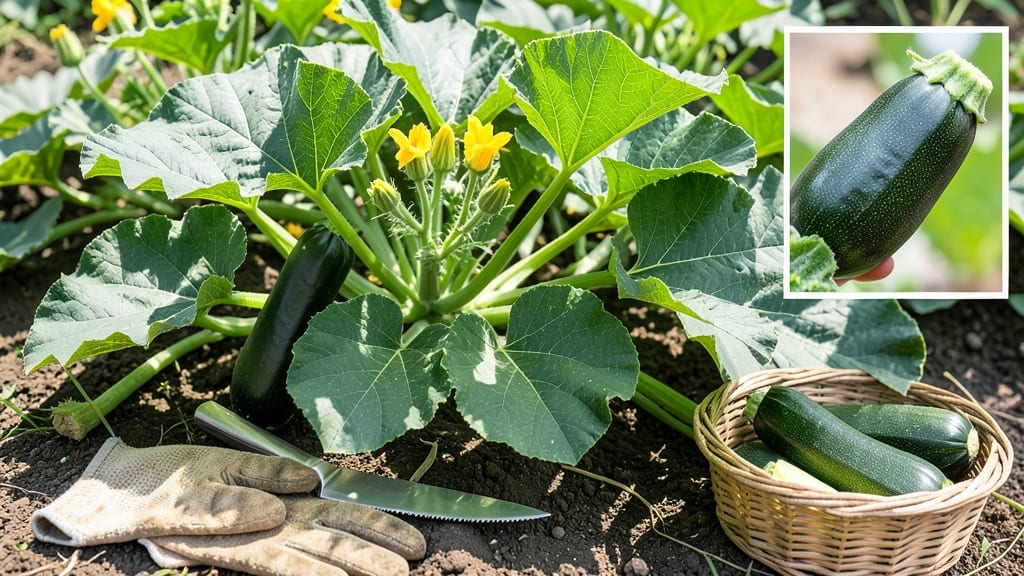
To pick zucchini from your garden at peak flavor, aim for 6-8 inches long when the skin resists gentle pressure—this is the sweet spot before bitterness sets in.
Zucchini plants can turn from a manageable garden favorite to an overwhelming squash jungle in just days—unless you master the art of timing your harvest. Knowing exactly when to pick ensures tender, flavorful fruit instead of tough, seedy disappointments.
Beyond size, check for a deep, even color and a stem that snaps cleanly when bent—these are your most reliable cues for perfect ripeness. Miss the window, and you risk overgrown 🎃 that’s tough and watery, not the delicate, buttery zucchini you crave.
In this guide, I’ll walk you through the 3 fingerwidth tricks for ideal harvest timing, plus what to do if your zucchini outgrows its welcome. Regular picking keeps your plants productive all season long!
The 3 fingerwidth rules for perfect zucchini harvest timing
Harvesting zucchini at the right moment transforms your garden from a squash overload to a flavorful bounty. The key? A simple fingerwidth measurement system that aligns with your plant's natural growth cycle.
When you ignore these cues, you risk bitter, seedy fruit or wasted energy from overgrown squash. I’ve used this method for years—it’s foolproof once you know the signs.
Zucchini grow exponentially fast, often doubling in size overnight. That’s why checking your harvest every 2-3 days is non-negotiable. The good news? You don’t need fancy tools—just your fingers and a sharp eye. Let’s break down the three fingerwidth rules that guarantee peak ripeness every time.
-
1.
1-Finger Rule (Early Harvest)
Pick when zucchini measures 1 fingerwidth (1 inch)—ideal for baby zucchini. These are tender, sweet, and perfect for slicing raw in salads. Harvesting early also stimulates more production.
-
2.
2-Finger Rule (Prime Harvest)
The sweet spot is 2 fingerwidths (2 inches). At this stage, zucchini are firm, glossy, and packed with flavor. The skin should resist gentle pressure but not feel rock-hard.
-
3.
3-Finger Rule (Last Chance)
If you’ve missed the 2-finger window, 3 fingerwidths (3 inches) is your final cutoff. Beyond this, zucchini become tough, seedy, and less flavorful. Use these for baking or roasting instead.
Pro tip: Pair these measurements with blossom checks. If you spot a female flower (the one with a tiny zucchini at its base), that’s your harvest countdown. Female flowers appear 3-5 days before the fruit reaches the 2-finger stage—so act fast!
Why does size matter so much? Flavor and texture degrade as zucchini grow. A 1-inch zucchini has delicate, almost melon-like sweetness, while a 3-inch one is more neutral—great for cooking but less exciting raw. Plus, overgrown zucchini siphon energy from new blooms, slowing your plant’s production.
Here’s how I apply the fingerwidth rules in my garden: I check plants every morning during peak season (July-August). If a zucchini hits the 2-finger mark by 9 AM, it’s in the basket by lunch. This routine keeps my plants productive for weeks, not just a single harvest.
Don’t overlook the stem’s role in timing. A ripe zucchini’s stem should snap cleanly when you twist it gently. If it resists, the fruit needs more time. If it pulls away with a fibrous core, you’ve waited too long.
This trick works even for striped or yellow varieties—color doesn’t change the fingerwidth rules!
One common mistake? Waiting for "perfect" size because of color myths. Some gardeners think zucchini must be fully green or yellow to be ripe—but that’s not true. The fingerwidth method trumps color every time. Focus on firmness and size, not pigment.
For container gardeners, these rules still apply, but check more frequently. Zucchini in pots grow faster due to warmer root zones. I harvest mine daily in summer to prevent overcrowding in small spaces. A 5-gallon pot can handle 1-2 plants if you’re diligent!
Remember: Consistency is key. The more you harvest at the right size, the more your plant will produce. My personal record? 40 zucchini from a single plant in one season—all thanks to the fingerwidth system. Now it’s your turn to try it!
How to check zucchini ripeness beyond size: color, texture, and tapping tests
Checking zucchini ripeness isn't just about measuring length—your fingerwidth rule is a great start, but color shifts and skin texture reveal even more. A zucchini's maturity stage affects flavor, tenderness, and even seed development.
For example, a deep green hue with smooth skin signals peak ripeness, while pale or bumpy skin means it's past its prime.
Don’t rely solely on size—stem tenderness and the tap test are game-changers. A ripe zucchini’s stem should bend slightly when pressed, not snap or feel rubbery. For the tap test, gently knock the fruit with your knuckles: a dull thud means it’s ready, while a hollow sound signals overripeness.
These tricks help you avoid bitter, seedy zucchini that’s overstayed its welcome.
✅ Pick Now
- Skin color: Deep, consistent green/yellow
- Texture: Firm, resists gentle thumb pressure
- Stem: Bends slightly, doesn’t snap
- Tap test: Dull thud when tapped
❌ Wait or Harvest Late
- Skin color: Pale, mottled, or dull
- Texture: Soft, spongy, or easily pierced
- Stem: Snaps or feels rubbery
- Tap test: Hollow echo when tapped
Watch for blossom formation as another clue—zucchini that follow female flowers (with tiny zucchini at the base) ripen faster than those on male flowers. If you spot yellowing leaves or powdery mildew, prioritize harvesting to reduce stress on the plant.
Overripe zucchini can also crack or develop woody cores, ruining their culinary potential.
Common mistakes include picking based on length alone or ignoring skin glossiness. A shiny, satin-smooth surface is a hallmark of ripeness, while dull or wrinkled skin means it’s past its prime. Pay attention to these details to extend your harvest season and keep your zucchini plants productive.
For yellow or striped varieties, like 'Golden Zucchini' or 'Banana,' focus on color uniformity instead of green cues. These types mature when their skin turns a rich golden hue and feels firm to the touch. Regular checks prevent overgrowth, which can exhaust your plant and reduce future yields.
Protect your harvest by picking every 2-3 days during peak season. This encourages more flowers to set fruit, giving you a steady supply of tender, flavorful zucchini all season long.
When in doubt, harvest smaller—you can always use baby zucchini in recipes like zucchini bread or fritters if they’re not fully mature.