
Planting
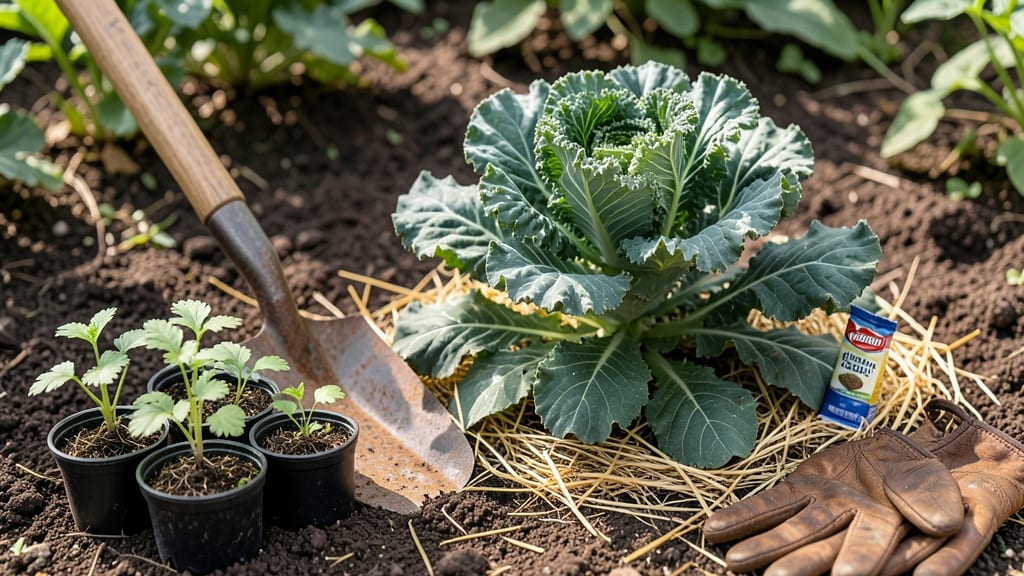
Planting a fall garden in South Texas between August and October lets you beat the heat and harvest before frost—if you time it right.
South Texas gardeners face a unique challenge: scorching summers and unpredictable fall weather—but timing your 🌱 fall garden right can mean the difference between a bountiful harvest and wasted effort.
This isn’t just about avoiding frost (though that’s critical—expect it around December 1 in most years). The real secret lies in choosing heat-tolerant crops that thrive in the 9a-10a zone’s lingering warmth while still maturing before the cold sets in.
Below, I break down the exact planting windows, the best crops for your region, and how to stretch your harvest until January—without freezing your greens in the process.
South Texas fall planting calendar: exact dates for heat-tolerant vegetables
Timing your fall garden in South Texas means working with 90°F+ soil and unpredictable first frost dates that can arrive as early as November 15. The secret? Planting heat-tolerant crops in late summer to give them 6-8 weeks of growth before temperatures dip.
In USDA Zones 9a-10a, this window is narrow but packed with opportunity.
Your last frost average falls between November 15–December 15, but microclimates vary dramatically. The Rio Grande Valley (Zone 10a) enjoys milder falls, while the Hill Country (Zone 9a) can see frost by early December. Adjust your planting schedule accordingly—60 days before frost is your golden rule.
Summary table below breaks down exact planting dates for heat-tolerant vegetables, accounting for regional differences. For example, okra thrives when planted in late August in the Valley but should start by mid-August in the Hill Country to mature before frost.
For Rio Grande Valley gardeners, August 15–September 15 is your prime window for most heat-tolerant crops. Start with okra and sweet potatoes in late August, then transition to leafy greens like collards by mid-September.
The Valley’s warmer microclimate allows for later plantings, but avoid starting frost-sensitive crops after October 1.
In the Hill Country, act faster—July 15–August 31 is critical.
Plant okra and cowpeas by late July to ensure they mature before the first frost. Mustard greens and black-eyed peas can handle cooler temps, so they can be sown slightly later, but aim for mid-August to avoid rushed harvests.
Pro tip: Use mulch to regulate soil temperature and row covers to extend the season for frost-sensitive crops. In the Valley, you might push lettuce into early November, while Hill Country gardeners should start by October 1 to avoid frost damage.
Monitor your local weather forecasts—a sudden cold snap can turn a bountiful harvest into a wasted effort.
Soil prep is key—amend your beds with compost in July to improve drainage, especially in clay-heavy areas. Test your soil pH (aim for 6.0–7.0) and add lime if needed. Heat-tolerant crops like okra and sweet potatoes thrive in well-draining soil, while leafy greens prefer slightly richer conditions.
Don’t forget to succession plant! For crops like mustard greens and radishes, sow new seeds every 2–3 weeks from August through September. This ensures a continuous harvest and maximizes your garden’s potential. In the Valley, you might even squeeze in a second planting of radishes in early October.
Finally, keep an eye on pests like aphids and cucumber beetles, which thrive in warm fall weather. Use neem oil or row covers to protect young plants.
With the right timing and care, your South Texas fall garden can be just as productive as your spring one—if not more so!
Top 5 heat-tolerant fall garden vegetables for South Texas (and how to extend their season)
When South Texas temperatures start to dip but still linger in the 90s, don’t assume your garden season is over. The right heat-tolerant crops can thrive well into October and November, giving you a late harvest before frost.
These five standout vegetables are my go-to choices for extending your growing season while battling South Texas heat and humidity.
These crops don’t just survive—they thrive in the fall heat, and with the right techniques like mulching, row covers, and succession planting, you can push their harvest windows even further.
Let’s dive into the best options, their heat tolerance ratings, and how to keep them producing until the last possible moment.
Black-eyed peas top the list with a perfect 5/5 heat tolerance rating. These legumes handle South Texas heat like champions and even improve soil fertility. Plant them in late August for a harvest stretching into December. To extend their season, use black plastic mulch to retain soil moisture and lightweight row covers when nighttime temps drop below 50°F.
Cowpeas are another heat-loving powerhouse, producing sweet pods even when temps hover around 95°F. Sow seeds in early September for a harvest that can last until January in mild winters. Their deep roots help them access moisture, but mulching will give them an extra boost. For a continuous harvest, try succession planting every 2-3 weeks after the initial sowing.
If you’re looking for something unusual but incredibly productive, try roselle (Hibiscus sabdariffa). This 4/5 heat-tolerant plant thrives in the fall and produces edible calyces used in teas and stews.
Plant in mid-September and use heavy mulch to protect roots. Harvest begins in December, and the plants often survive light frosts, giving you an early spring harvest too.
For a sweet reward, sweet potatoes are a must. Plant slips in late July or August for a harvest in November or December. These 4/5 heat-tolerant tubers love the long, hot days of South Texas.
Use black plastic mulch to warm the soil and straw mulch to retain moisture. Avoid overwatering, as excess moisture can lead to rot.
Finally, collard greens are a cool-season favorite, but with a 3/5 heat tolerance, they can still perform well in early fall. Plant in early September for a harvest from October to December.
To protect them from early frosts, use frost cloth or row covers. These greens are extremely versatile—harvest outer leaves first to keep the plant producing all season.