
Planting
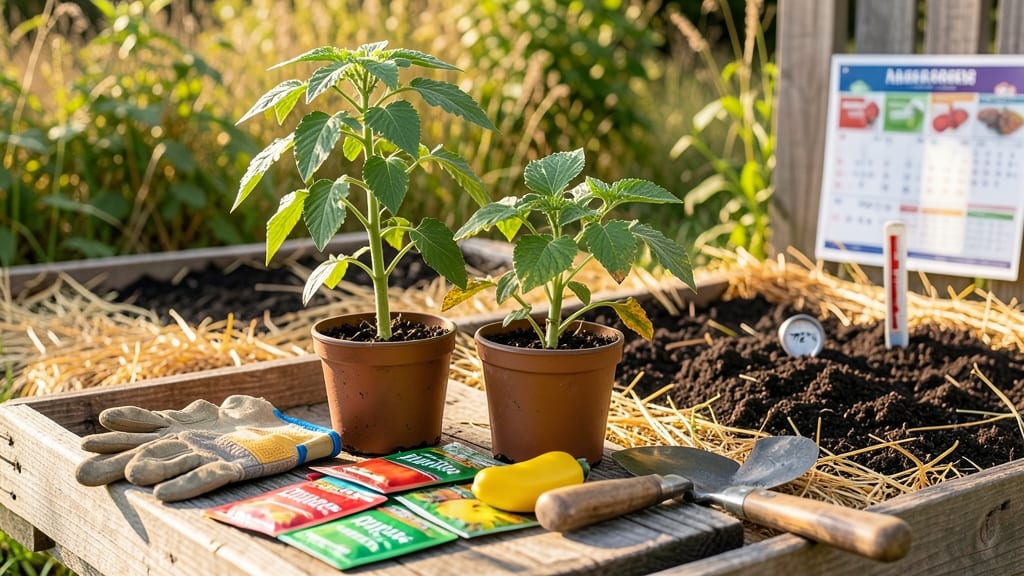
Planting a garden in Arkansas means timing it right between mid-March and early April to avoid frost damage while catching the peak growing season.
Arkansas gardeners know timing is everything—plant too early and frost will wipe out your hard work, but wait too long and you’ll miss the best months for warm-season crops like tomatoes and peppers.
The state’s 7a-8b zones mean regional differences, too, so what works in the Delta won’t always fit the Ozarks.
This guide breaks down the exact frost dates by region, the best months for cool-season vs. warm-season plants, and how to adjust for Arkansas’s unpredictable weather. Whether you’re sowing seeds or transplanting seedlings, knowing these windows is the difference between a thriving garden and a disappointing one.
You’ll learn how to plan your planting calendar by crop type, use row covers to extend seasons, and pick varieties that handle Arkansas’s heat and humidity. Let’s get your garden off to the best start!
Arkansas frost dates & planting zones: what you need to know before starting
Arkansas spans USDA Hardiness Zones 6b through 8b, creating a diverse climate where gardeners in the Ozark Mountains face cooler springs than those in the Delta region. These zones directly impact your last frost dates, which can vary by 2-3 weeks across the state.
For example, northern Arkansas (like Fayetteville) typically sees its last frost around April 15, while southern Arkansas (like Little Rock) warms up by March 20. Understanding these differences helps you time your cool-season crops like lettuce and warm-season plants like tomatoes perfectly.
First, check your local last frost date—this is your garden’s green light for warm-season planting. The Arkansas Cooperative Extension Service provides county-specific data, but as a general rule, northern Arkansas has 200-220 frost-free days, while southern Arkansas enjoys 240+ days.
This means gardeners in the south can squeeze in two full growing seasons (spring and fall), while northern gardeners focus on one extended season with early starts and late finishes.
| Region | USDA Zone | Avg. Last Frost | Avg. First Frost | Frost-Free Days | Best Planting Window |
|---|---|---|---|---|---|
| North Arkansas (Fayetteville, Rogers) | Zone 7a-7b | April 15 | October 30 | 200-220 | April 20 - May 10 (warm crops) |
| Central Arkansas (Little Rock, Hot Springs) | Zone 7b-8a | March 20 - April 5 | November 1 | 220-240 | March 25 - April 15 (warm crops) |
| South Arkansas (El Dorado, Texarkana) | Zone 8a-8b | February 28 - March 15 | November 15 | 240+ | March 1 - March 20 (warm crops) |
Cool-season crops like broccoli, spinach, and peas thrive when planted 4-6 weeks before your last frost date. For northern Arkansas, this means late February to early March, while southern gardeners can start as early as January.
These plants handle light frosts (down to 20°F for hardy varieties), so don’t rush to cover them—just monitor weather forecasts for sudden drops. I’ve learned the hard way that a 30°F night can turn tender greens to mush overnight!
Warm-season crops, including tomatoes, peppers, and cucumbers, need soil temperatures above 60°F to germinate. Use a soil thermometer to confirm—waiting for the right temperature prevents seed rot and stunted growth.
In northern Arkansas, plant these after May 1, while southern gardeners can start as early as March 15. Pro tip: Black plastic mulch warms soil faster, giving you a 2-week head start on the season.
Arkansas’s microclimates can create surprises even within a single county. For instance, valleys warm up faster than hilltops, and urban areas (like Little Rock) often experience heat islands that delay frost.
To account for this, I recommend planting a few extra seeds or starting warm-season crops in containers that you can move indoors if frost threatens. This flexibility ensures you’ll have harvests even in unpredictable years.
Don’t overlook fall planting—it’s a gardener’s secret weapon in Arkansas. Many crops, like kale, carrots, and radishes, perform better in cool fall weather than in summer’s heat.
Aim to plant these 8-10 weeks before your first frost, which translates to late July to early August in most regions. This gives them time to mature before winter sets in, and you’ll avoid the pests and diseases that plague summer gardens.
For perennials and shrubs
Best planting months in Arkansas by crop type: a seasonal guide for vegetables, herbs, and flowers
Arkansas’s diverse climate means your planting schedule should shift between North Arkansas (cooler, higher elevation) and South Arkansas (warmer, longer growing season). While North Arkansas may see frost as late as April 15, the Delta region often warms up by March 15.
This guide breaks down the best months for your favorite crops, including when to start seeds indoors vs. direct-sowing outdoors.
For warm-season crops like tomatoes and peppers, wait until soil temperatures hit 60°F+—typically April 15–May 1 in North Arkansas and March 15–April 15 in the South. Cool-season crops such as lettuce and spinach thrive when planted 8–10 weeks before the last frost, meaning February–March for both regions.
🌱 Key Tip: Use row covers or cold frames to extend seasons—especially in North Arkansas where frost lingers longer. For herbs like basil, start seeds indoors 4–6 weeks before the last frost to ensure they’re ready for transplanting when temperatures rise.
- 🌱 March–April: Plant cool-season crops (lettuce, peas, spinach) directly outdoors in North Arkansas. Start warm-season seeds indoors (tomatoes, peppers) for transplanting after last frost.
- 🌿 April–May: Transplant warm-season crops (beans, squash, cucumbers) after last frost. South Arkansas can direct-sow tomatoes and peppers by March 15.
- ☀️ June–July: Sow fall crops (kale, carrots, radishes) 6–8 weeks before first frost (typically September–October). Succession plant beans and cucumbers for extended harvests.
- 🌻 August–September: Plant winter squash and broccoli for fall harvests. Start herbs like dill and cilantro indoors for late-season growth.
In North Arkansas, prioritize late May–June for warm-season crops like okra and sweet potatoes, which thrive in the region’s longer summers. Meanwhile, South Arkansas gardeners can push the envelope with early March plantings of onions and garlic, thanks to milder winters.
For flowers, marigolds and zinnias can be direct-sown as early as March in the South or April in the North, while petunias and geraniums prefer after last frost for best blooms. 🌷 Pro Tip: Use mulch to retain soil moisture during Arkansas’s hot, humid summers—critical for herbs like thyme and rosemary, which wilt in dry conditions.
Always check your local USDA Plant Hardiness Zone (Arkansas spans 6b–8a) and monitor soil temperatures with a thermometer. Adjust timelines by 2–4 weeks if you’re in a microclimate—like a sheltered valley or urban heat island.
With these adjustments, you’ll maximize your harvest from spring greens to fall pumpkins! 🎃