
Planting
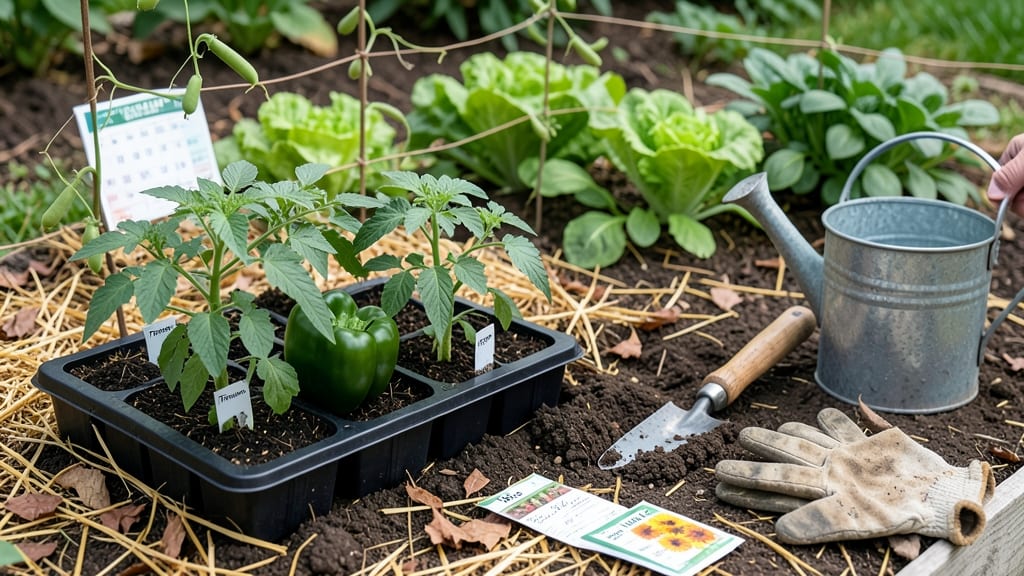
Planting a garden in Indiana at the right time means the difference between a bountiful harvest and a sad pile of frost-nipped seedlings.
Indiana’s unpredictable spring weather can turn a gardener’s hopeful planting schedule into a gamble—unless you know the exact Zone 6 deadlines for frost-free planting. Timing isn’t just about avoiding late frosts; it’s about maximizing yields for tomatoes, peppers, and other heat-loving crops.
With last frosts creeping in around mid-April and first frosts hitting by mid-October, Indiana’s 165 frost-free days are precious. Whether you’re starting seeds indoors or direct-sowing, getting the timing right ensures your 🌱 General Garden Plants thrive instead of shrivel.
Below, I’ll break down the best months to plant—from cool-season greens in early spring to late-summer heat lovers—plus how to adjust for Indiana’s rollercoaster weather. No more guessing, just peak harvests.
Indiana’s frost dates and planting deadlines by month (Zone 6 guide)
Indiana’s Zone 6 climate offers a 165-day growing season, but late frosts can strike as late as mid-April in northern regions. Southern Indiana enjoys slightly earlier last frost dates—around mid-April to early May—giving gardeners a 2-3 week advantage for warm-season crops.
Understanding these microclimate variations is key to avoiding frost damage and maximizing harvests.
For cool-season crops like spinach, kale, and peas, planting begins as early as mid-March under row covers. Meanwhile, heat-loving plants such as tomatoes, peppers, and okra should wait until after Memorial Day (late May) when soil temperatures consistently reach 60°F.
Heat-tolerant varieties like sweet potatoes and Southern peas can even handle Indiana’s summer heat if planted by mid-June.
Northern Indiana (e.g., Fort Wayne, Gary) typically experiences its last frost around April 15, while southern Indiana (e.g., Evansville, Louisville) often sees frost-free conditions by April 1. These dates shift yearly, so always monitor local weather forecasts and use a soil thermometer to confirm readiness. Planting too early risks frost damage, while delaying can shorten the growing season for fast-maturing crops.
Warm-season crops like tomatoes and cucumbers thrive when planted 2-3 weeks after the last frost, ideally by mid-May. For slow growers such as sweet corn or squash, start seeds indoors 4-6 weeks before the last frost date to ensure they mature before fall. Succession planting every 2 weeks after the initial planting window keeps harvests continuous.
Indiana’s fall planting window runs from mid-August to late September, allowing for second harvests of cool-season crops. Plant Brussels sprouts and kale by mid-August for a fall harvest, while radishes and spinach can be sown as late
How to adjust planting times for Indiana’s unpredictable weather patterns
Indiana’s spring weather can be as fickle as a whimsical breeze, leaving gardeners guessing whether to plant their tomatoes or cucumbers too early. The key to success? Flexibility. Even with average last frost dates around mid-April, sudden cold snaps can turn tender seedlings into sad, frosted memories.
I’ve learned the hard way that rigid planting schedules often backfire—so I now rely on soil thermometers and weather forecasts to guide my decisions.
One of my favorite tricks is using row covers or cold frames to extend the growing season. These simple tools can push your planting window by 2-4 weeks, allowing you to sow spinach or lettuce earlier in spring or keep kale producing well into fall.
The secret? Monitoring soil temperatures—most vegetables need at least 60°F to thrive, while cool-season crops like peas tolerate 40°F soil.
⚠️ callout warning ⚠️
Planting heat-sensitive crops like beans or cucumbers too soon? You’re not alone—but here’s the fix: Wait until soil temps hit 70°F+ for these plants. A soil thermometer ($10 at garden centers) is your best friend. Pro Tip: Check temps morning and night for 3 days to confirm consistency.
I also swear by local weather forecasts, especially the National Weather Service’s frost predictions. Sign up for alerts in your area—Indiana’s northern regions (like Gary) often see frost 2 weeks later than southern zones (like Evansville). For peppers and eggplants, I start seeds indoors 8-10 weeks before the last frost, then transplant only after nighttime temps stay above 55°F for a week.
Another game-changer? Succession planting. Instead of sowing all your radishes or bush beans at once, stagger plantings every 2 weeks. This ensures a steady harvest and minimizes losses if an unexpected frost hits.
For example, I plant lettuce in 3 batches: early April (with row covers), late April (after frost risk passes), and early June for a fall crop.
Don’t overlook microclimates in your yard. South-facing slopes warm up faster than shady spots, so I always plant warm-season crops there first. A black plastic mulch can add 5-10°F to soil temps, giving tomatoes and squash a head start.
And if you’re tempted to rush, remember: slow and steady wins the harvest. Rushing leads to leggy seedlings or bolted greens—neither of which tastes as sweet as patience.
Finally, keep a gardening journal to track your adjustments. Note when you planted, soil temps, and any weather surprises. Over time, you’ll spot patterns—like why your cucumbers always struggle in May—and fine-tune your schedule.
Last year, my journal helped me shift zucchini planting to late May instead of early April, doubling my yield! 🌱