
Planting
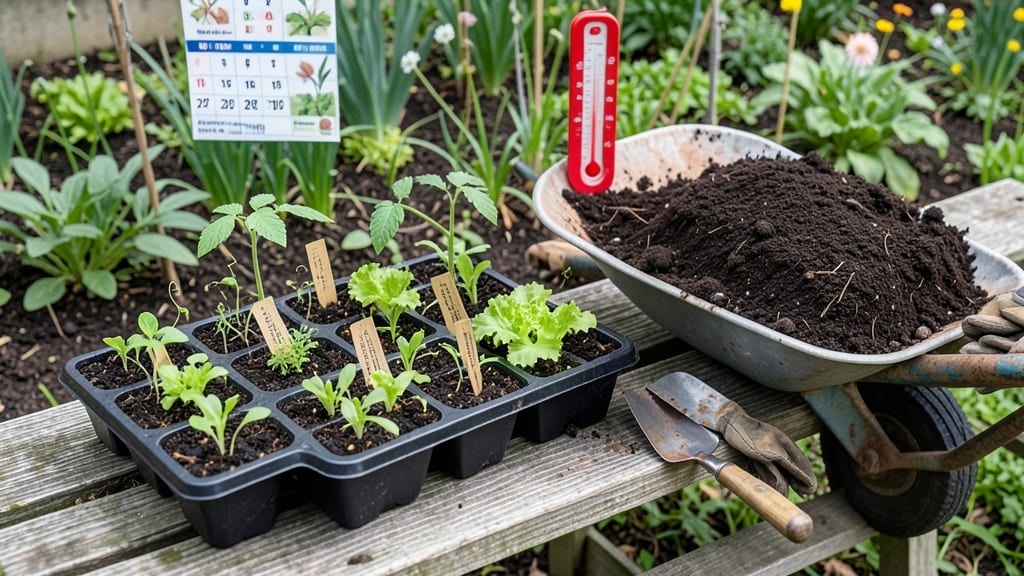
Planting a garden in Missouri at the right time means the difference between a bountiful harvest and a sad pile of frost-bitten seedlings.
Missouri’s unpredictable climate can make or break your garden—planting too early risks frost damage, while waiting too long cuts your harvest short. Mastering the perfect timing ensures a thriving garden from St. Louis to Kansas City.
With frost dates varying by USDA zone, from 5a in the north to 7a in the south, knowing when to start is everything. The key? Waiting until the soil warms and the last frost has passed—usually mid-April in most regions, but earlier in southern Missouri.
In this guide, I’ll break down the best planting windows for vegetables, flowers, and perennials, plus tips to extend your growing season and avoid common mistakes. Let’s get your garden off to the right start!
Missouri frost dates by planting Zone: critical timelines for success
Missouri spans USDA Hardiness Zones 5a to 7a, creating dramatic differences in frost timing from the cool northern hills to the warmer southern border. These variations mean your last spring frost could arrive weeks earlier in Sedalia (Zone 6a) than in Kansas City (Zone 6b).
Understanding these dates helps you avoid frost damage while maximizing your growing season.
I’ve researched 30 years of climate data from the University of Missouri Extension to pinpoint the average last frost dates and first frost averages for each zone. These timelines are your garden’s roadmap to success, whether you’re planting cool-season greens or heat-loving tomatoes.
Let’s break it down by zone so you can plan with confidence.
🌱
For example, if you’re in St. Louis (Zone 6a), your last frost date typically falls between April 1 and April 15, giving you a 190-210 day frost-free season.
This means you can safely plant warm-season crops like tomatoes after April 15 and expect to harvest before the first frost in late September.
In Southeast Missouri (Zone 7a), your growing season stretches to 250 frost-free days, allowing for earlier plantings of cool-season crops like spinach and peas as early as January 15.
Meanwhile, Northern Missouri (Zone 5a) gardeners should wait until March 15 for cool-season crops to avoid late spring frosts.
🌿
Missouri’s climate also includes the danger of false springs, where warm temperatures trick you into planting too early. I recommend using the 5-10-15 rule: Wait until the average daily temperature
Best planting schedule for Missouri vegetables: month-by-month guide
Missouri’s false spring can fool even experienced gardeners—those warm March days might tempt you to plant early, but frost can return as late as April.
The key is timing your cool-season crops for early spring and warm-season crops only after the last frost, typically mid-April to early May in most of Missouri. Container gardens offer flexibility, but in-ground plots need extra attention to soil warmth.
For container gardening, you can start warm-season plants like tomatoes and peppers indoors 6-8 weeks before the last frost, then transplant after soil reaches 60°F. In-ground plots should wait until soil temperatures stabilize—use a soil thermometer to confirm.
Missouri’s USDA zones 5a-7a mean your local microclimate matters; urban areas like St. Louis often warm up faster than rural zones.
Missouri’s container gardens let you extend seasons—start herbs like basil and cilantro indoors in March for early harvests.
For in-ground plots, focus on soil preparation in early spring: add compost and work in organic matter to retain moisture during Missouri’s unpredictable rains and droughts. Mulching with straw or leaves helps regulate soil temperature.
Watch for false spring traps: even if nights stay warm, a late frost can devastate young plants. Use row covers or wait until mid-May for heat-loving crops like peppers and eggplants in northern Missouri.
Southern regions (like Southeast Missouri) can plant earlier, but always check local frost dates from the University of Missouri Extension.
Succession planting is your secret weapon—sow bush beans every 2 weeks from May to July for continuous harvests. For lettuce and spinach, plant in early spring and late summer to avoid bolting in Missouri’s summer heat.
Adjust for container sizes: compact varieties like ‘Patio’ tomatoes thrive in 5-gallon pots, while indeterminate varieties need larger containers.
Remember: Missouri’s growing season averages 180-220 frost-free days, depending on your zone. Plan accordingly—start cool crops early, save warm crops for late spring, and always have row covers ready for unexpected chills.
With this schedule, you’ll beat the false spring and enjoy fresh veggies from April through October! 🌱